
Miranda Lambert's 'Crisco' Trades Country Rock for 70s Disco
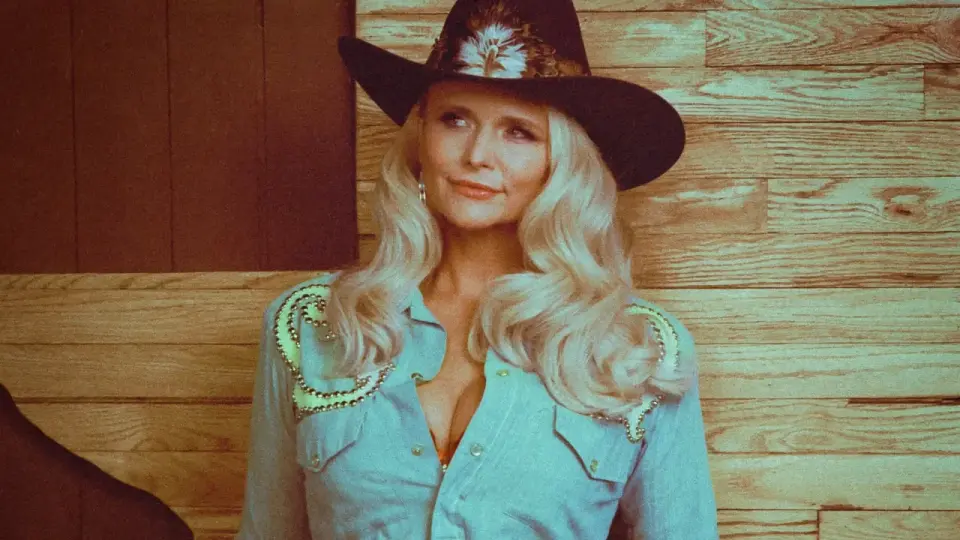
Miranda Lambert's 11th major-label album, 'Crisco,' released on October 2, 2026, marks a stylistic pivot toward late-1970s country disco. Produced by Jesse Frasure, the 12-track project features a guest appearance from Ella Langley and a duet with Chris Stapleton. While the album receives praise for its polished production and string arrangements, critics note a lack of lyrical depth compared to Lambert's previous work.
Key points
- Released October 2, 2026, 'Crisco' is Lambert's 11th major-label album on MCA Records.
- The album is produced by Jesse Frasure and features a new band, including husband Brendan McLoughlin as an occasional co-writer.
- The lead single, 'Snakeskin Boots,' features Ella Langley and was co-written with Natalie Hemby.
- The track 'A Song to Sing' is a duet with Chris Stapleton that gained new poignancy following Dolly Parton's death.
- The album includes a cover of Jim Croce's 1974 hit 'I'll Have to Say I Love You in a Song.'
- Pitchfork scored the album 6.8/10, praising the production but criticizing the writing as 'humdrum.'
Background
Lambert's previous major releases included 'Palomino' and 'The Marfa Tapes.' Her recent cultural impact was amplified by her co-writing and co-producing of Ella Langley's 'Choosin' Texas,' which became the longest-running No. 1 single in country history. This success positioned 'Crisco' as a strategic move to capitalize on her peak cultural relevance while shifting away from the alt-country and vengeful rock styles of her earlier career.
How outlets are covering it
Rolling Stone's Joseph Hudak offers a more enthusiastic take, describing the album as an 'effervescent reinvention' that successfully blends disco, yacht rock, and country. He argues that the project is not a stunt but a bold step forward, comparable to Dolly Parton's 1978 album 'Heartbreaker.' In contrast, Pitchfork's Alfred Soto is more critical, awarding a 6.8/10. While Soto acknowledges the 'spotless' production and 'thoughtful' string arrangements, he argues the album suffers from 'humdrum writing' and a 'swirly-gooey sameness' in mood and tempo. Soto notes that Lambert's best work, such as 'Mama's Broken Heart,' relied on feral energy and personal crisis, which are largely absent from 'Crisco.' Both outlets agree that the album is a polished, high-quality production, but they diverge on whether the stylistic shift represents a genuine artistic evolution or a retreat into safe, radio-friendly territory.
Why it matters
The release of 'Crisco' signals a significant shift in the sound of mainstream country music, moving away from the dominant 'bro-country' and alt-country trends of the past decade toward a more polished, disco-influenced aesthetic. The album's success, particularly the performance of 'Snakeskin Boots' and the continued dominance of 'Choosin' Texas,' suggests that audiences are receptive to Lambert's new direction. It also highlights the growing influence of producers like Jesse Frasure in shaping the sound of contemporary country music, potentially influencing future releases from other artists in the genre.
What to watch
Lambert is expected to promote 'Crisco' through live performances and radio play, with 'Snakeskin Boots' and 'A Song to Sing' likely to be key focus tracks. The album's reception will likely influence the direction of her future projects and potentially the broader landscape of country music, as other artists may follow her lead in exploring disco and yacht rock influences. The continued success of 'Choosin' Texas' will also be a factor in determining the album's commercial performance.
- Miranda Lambert: Crisco Album Review Pitchfork
- How Miranda Lambert Helped Ella Langley Make History with ‘Choosin’ Texas’ The New York Times
- Country Disco Is Back. Thank Miranda Lambert. Texas Monthly
- Miranda Lambert Puts Her Boots on the Dance Floor With ‘Crisco’ Rolling Stone
- JJ’s Country Music Minute: Grab Your “Snake Skin Boots” From Miranda and Ella kfdi.com
Want the full story? Read the original reporting
Read on Pitchfork