
Frank G. Mancuso Sr., Paramount and MGM Executive, Dies at 93
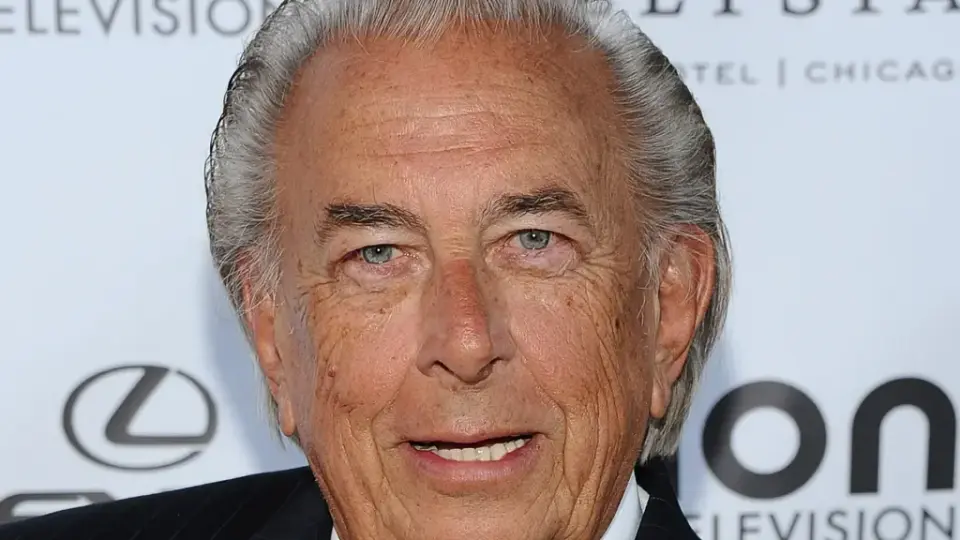
Frank G. Mancuso Sr., a pivotal figure in 1980s and 1990s Hollywood, has died at age 93. He served as chairman and CEO of Paramount Pictures from 1984 to 1991 and later led Metro-Goldwyn-Mayer from 1993 to 1999. His tenure at Paramount coincided with major box office successes, including 'Top Gun' and 'Ghost,' while his time at MGM involved significant corporate acquisitions. Known for his diplomatic style, he was remembered by colleagues and industry figures for his integrity and approachability.
Key points
- Frank G. Mancuso Sr. died of cancer on October 1, 2026, at his home in Los Angeles at the age of 93.
- He served as chairman and CEO of Paramount Pictures from 1984 to 1991, overseeing hits like 'Beverly Hills Cop' and 'Fatal Attraction.'
- Mancuso later led Metro-Goldwyn-Mayer from 1993 to 1999, overseeing the acquisition of Orion Pictures and PolyGram Filmed Entertainment.
- His career began in 1962 as a sales executive in Buffalo, New York, before moving to Los Angeles.
- He served as governor and secretary of the Academy of Motion Picture Arts and Sciences and chaired the Motion Picture and Television Fund board from 2003 to 2010.
Background
Mancuso’s death occurs during a period of significant structural change for Paramount Pictures. The studio recently completed a merger with Warner Bros. Discovery, with Casey Bloys set to lead combined streaming operations. Additionally, Paramount has faced antitrust litigation regarding this merger and approved foreign investment from Gulf sovereign funds to finance the deal. These developments contrast with the stable, family-oriented studio culture Mancuso was known for fostering during his leadership in the 1980s and 1990s.
Why it matters
Mancuso’s career represents a transitional era in Hollywood studio leadership, bridging the traditional studio system with the modern corporate structure. His ability to navigate international markets and maintain a collaborative studio culture set a precedent for executive conduct. His passing marks the end of an era for executives who prioritized personal relationships and industry stability over the aggressive consolidation and foreign investment strategies characterizing current studio operations.
What to watch
The film industry will likely observe a period of mourning for a respected figure who maintained strong relationships across generations of talent and executives. No immediate changes to studio leadership or operations are expected as a result of his death, as his roles were concluded decades ago. Tributes may be paid at upcoming industry events, recognizing his contributions to major franchises and his role in the Academy of Motion Picture Arts and Sciences.
Want the full story? Read the original reporting
Read on Deadline