
Wendell Berry, Kentucky Agrarian Icon and Environmentalist, Dies at 92
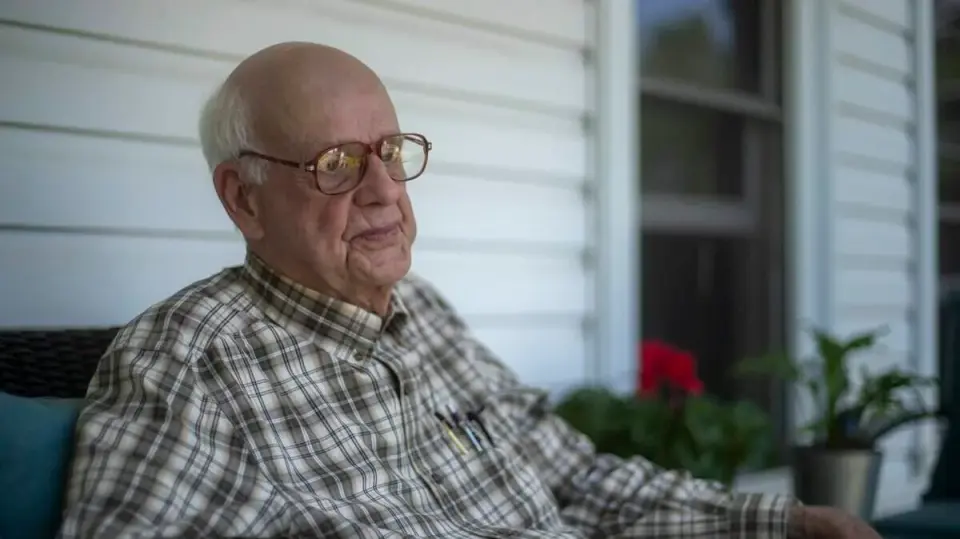
Wendell Berry, the acclaimed Kentucky author, poet, and environmental activist, has died at age 92 at his home in Port Royal. Known for his fierce defense of small family farms and his critique of industrial agriculture, Berry was a central figure in American agrarian literature. His death marks the end of an era for rural advocacy, with tributes highlighting his profound influence on writers and activists who championed local communities and ecological stewardship.
Key points
- Wendell Berry died on Monday at his home in Port Royal, Kentucky, at the age of 92, as confirmed by his daughter, Mary Berry.
- Berry was a prolific writer, authoring more than 50 volumes of poetry, fiction, and essays, including the seminal 1977 work 'The Unsettling of America' and the 2012 poetry collection 'The Peace of Wild Things.'
- He was a vocal opponent of industrial agriculture, factory farming, and modern technology, famously rejecting computers and cell phones in favor of typewriters and handwritten correspondence.
- Berry’s activism included a 2011 sit-in at the Kentucky Capitol against mountaintop removal mining and a 2009 withdrawal of his papers from the University of Kentucky in protest of its ties to the coal industry.
- His daughter and family established the Berry Center in New Castle to promote sustainable agriculture and environmental health, continuing his legacy of advocating for nature-based farming systems.
Background
Berry’s death follows the passing of other literary figures, such as Gurney Norman, a member of Kentucky’s 'Fab Five' literary group, who died in October 2025. Berry was part of this influential group, which also included Bobbie Ann Mason, the last surviving member. His life and work were deeply rooted in Henry County, where he lived on a farm he purchased in 1965, and his activism often intersected with local issues, such as his recent opposition to a large bourbon distillery near his property.
How outlets are covering it
The New York Times emphasized Berry’s role as a cultural critic who championed small family farms and the environment, describing him as a 'prophetic American voice.' The Lexington Herald Leader highlighted his local roots and his family’s multigenerational connection to Henry County, noting his father’s creation of the Burley Tobacco Growers Co-Op as a model for cooperative farming. WDRB did not provide specific coverage of Berry’s death, focusing instead on other local news, which suggests a regional focus on other current events. The differing emphases reflect Berry’s dual identity as both a national literary figure and a local Kentucky activist.
Why it matters
Berry’s death underscores the ongoing relevance of his critiques of industrial agriculture and environmental degradation. His advocacy for sustainable farming and local communities continues to influence environmental policy and agricultural practices. The establishment of the Berry Center ensures that his legacy of promoting nature-based agriculture and environmental stewardship will persist, providing a platform for continued advocacy and education on these critical issues.
What to watch
The Berry Center in New Castle is expected to continue its mission of promoting sustainable agriculture and environmental health. Tributes and memorials are likely to be held in Kentucky and across the United States, honoring Berry’s contributions to literature and environmental activism. His works, particularly 'The Unsettling of America' and 'The Peace of Wild Things,' will remain central to discussions on agrarian life and environmental ethics.
- ‘Another great light gone out.’ Kentucky author, activist Wendell Berry dies at 92. Lexington Herald Leader
- Wendell Berry, Writer Who Extolled America’s Agrarian Past, Dies at 92 The New York Times
- Beloved writer and environmentalist Wendell Berry has died at age 92 NPR
- Kentucky writer, farmer and advocate Wendell Berry dies at 92 Kentucky Lantern
- CRAWFORD | Wendell Berry, the great Kentucky writer who came home and stayed, dies at 92 WDRB
Want the full story? Read the original reporting
Read on Lexington Herald Leader