
Midterm Defeat Looms as Right-Wing Figures Embrace 'Anakin-Maxxing' Memes
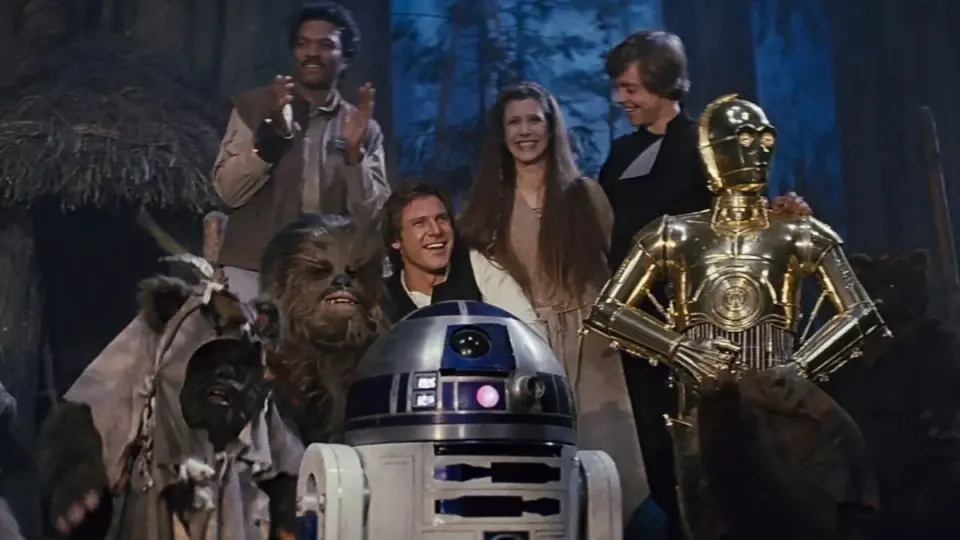
As Democrats gained significant ground in the 2026 US midterm elections, right-wing online communities pivoted to a viral 'Anakin Skywalker' meme trend. This campaign, dubbed 'Anakin-maxxing,' reinterpreted the Star Wars character's fall to the Dark Side as a metaphor for young male disenfranchisement against institutional gatekeepers. Despite the character's ultimate transformation into a genocidal authoritarian, supporters framed him as a victim of a corrupt system, a narrative Elon Musk amplified with a post claiming the Empire's rule was 'stolen' from them.
Key points
- The 'Anakin-maxxing' trend emerged in late October 2026, framing the Jedi Council as out-of-touch older generations and Anakin as a symbol of Gen Z frustration.
- Elon Musk amplified the narrative on November 1, 2026, posting an AI-generated image of Anakin ruling the Empire with the caption 'This is what they stole from us.'
- The meme surge coincided with a 'blue wave' in the 2026 midterms, where voters rejected the incumbent party due to inflation, war fatigue, and high prices.
- Critics highlighted the irony of identifying with Darth Vader, a genocidal enforcer of an authoritarian regime, while supporters viewed the character as a tragic figure betrayed by a hypocritical system.
- The trend followed a previous 'Malfoid' Harry Potter meme craze, indicating a broader pattern of right-wing groups adopting pop culture narratives to signal political grievances.
Background
This development follows earlier coverage from November 3, 2026, which noted that MAGA figures were adopting 'Anakin-Maxxing' as a desperate midterm strategy. The trend gained traction as Republicans faced historic unpopularity and potential electoral losses, with influencers attempting to reframe political defeat as a cultural victory for anti-establishment sentiment.
How outlets are covering it
Gizmodo framed the election results as a 'Star Wars' moment where 'new hope' triumphed over the 'Empire,' contrasting the right-wing meme narrative with the actual voter outcome. WIRED criticized the trend as 'bizarre' and 'cringeworthy,' arguing that the memes were a delusional attempt to make fascism seem cool, ignoring Anakin's violent actions. Yahoo detailed the meme's origins in Gen Z male rage, noting its expansion into broader right-wing political discourse. Kotaku emphasized the desperation of the strategy, highlighting Musk's $500 million spending on the cycle and the irony of idolizing a character who murders children. All sources agreed that the memes were a significant cultural phenomenon but disagreed on their efficacy, with some viewing them as a 'zeitgeist victory' and others as a sign of political delusion.
Why it matters
The 'Anakin-maxxing' trend illustrates the extent to which right-wing online communities have turned to pop culture to articulate political grievances in the face of electoral defeat. It highlights the disconnect between the narrative of 'anti-establishment' rebellion and the reality of supporting authoritarian figures, as well as the potential for such memes to influence public perception of political legitimacy. The trend also underscores the role of social media in shaping political discourse, particularly in the final hours before major elections.
What to watch
The immediate aftermath of the 2026 midterms will determine whether the 'Anakin-maxxing' narrative gains further traction or fades as a failed campaign strategy. Future political cycles may see similar attempts to reframe electoral losses as cultural victories, potentially leading to further polarization and the normalization of authoritarian imagery in political discourse. The long-term impact of such memes on public perception of political legitimacy and the role of social media in shaping political narratives remains to be seen.
- Maybe Life Is Like ‘Star Wars’ After All Gizmodo
- The Online Right’s Closing Campaign Argument: Fascist Anakin Skywalker Memes WIRED
- What's With All The 'Anakin Skywalker' Memes On Twitter? The Viral Gen Z And Right-Wing 'Star Wars' Prequel Memes Explained Yahoo
- MAGA Clings To Darth Vader As It Braces For Election Results Kotaku
- How Anakin Skywalker became MAGA's unlikely hero Axios
Want the full story? Read the original reporting
Read on Gizmodo