
Trump Urges Congress to Pass Federal Film Tax Credit to Halt Hollywood Exodus
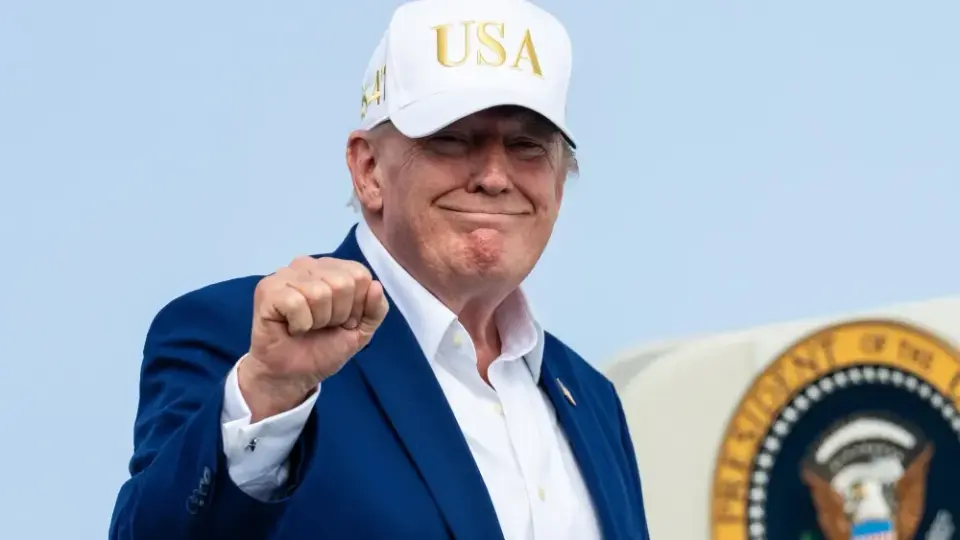
President Trump has publicly endorsed a federal tax incentive for film and television production, urging Congress to pass bipartisan legislation immediately. The move follows a year-long push by industry leaders and unions to counter the loss of domestic jobs to countries like Canada and the UK. While the White House and Hollywood stakeholders support the measure, specific details on the credit’s structure remain under negotiation, with proposals ranging from 15% to 20% of labor costs.
Key points
- Trump posted on Truth Social on August 31, 2026, calling for a 'Federal Production Incentive' to save the movie and television business in America.
- The president stated that Hollywood is a 'complete and total disaster' due to production moving overseas, particularly to Canada.
- Jon Voight, a special ambassador to Hollywood appointed by Trump, has been leading the push for a 20% tax credit on labor costs.
- Sen. Adam Schiff and Rep. Laura Friedman have expressed support for the measure, with Schiff agreeing with the president’s call for immediate action.
- The Motion Picture Association (MPA) and the Directors Guild of America (DGA) have endorsed the federal incentive as a way to bring jobs back to the U.S.
- Approximately 73,000 jobs have been lost in the U.S. film and TV sector since 2022, with two-thirds of those losses in Los Angeles.
Background
This development follows a series of earlier efforts to address the decline in U.S. production. In late August 2026, California lawmakers passed a budget trailer bill to expand state-level tax credits and speed up refunds, aiming to retain productions despite new caps. Prior to that, Jon Voight and other industry leaders had been lobbying for a federal 20% labor tax credit, a proposal that had bipartisan support but faced uncertainty regarding its passage. The current push by Trump marks the first clear public endorsement from the White House for a national incentive, shifting the focus from state-level measures to a federal solution.
How outlets are covering it
Variety and The New York Times emphasize the bipartisan nature of the push, noting that both Democratic and Republican lawmakers, including Sen. Adam Schiff and Rep. Laura Friedman, have supported the idea. Variety highlights the specific proposal of a 15% credit on labor costs, while the MPA and Jon Voight have advocated for a 20% credit. Politico and Fox News focus on Trump’s direct involvement and his praise for Jon Voight, framing the move as a response to the 'exodus' of production to other countries. Fox News also notes that Trump previously considered tariffs on overseas-made films but has now shifted to supporting a tax incentive. All sources agree that the federal incentive would stack on top of existing state-level credits, but they differ in their emphasis on the speed of legislative action and the specific percentage of the credit.
Why it matters
The federal tax incentive could significantly impact the U.S. film and television industry by making domestic production more competitive with countries like Canada, the UK, and Australia. If passed, it could help reverse the loss of 73,000 jobs since 2022 and support the broader economy by bringing production back to the U.S. The measure also reflects a shift in policy from state-level incentives to a national strategy, potentially affecting states that currently do not offer their own credits, such as Florida and Michigan.
What to watch
Congress is expected to begin crafting a bipartisan bill in September 2026, as reported by Politico. The next steps will involve negotiations on the specific structure of the tax credit, including the percentage of labor costs covered and how it will interact with existing state-level incentives. The White House and industry leaders will likely continue to lobby for the measure, with Jon Voight and other special ambassadors playing a key role in the process. The outcome of these negotiations will determine whether the federal incentive becomes a reality and how it will impact the U.S. film and television industry in the coming years.
- Trump Endorses U.S. Tax Incentive to Keep Hollywood Production: ‘Let’s Get This Done!’ Variety
- Trump Renews Push for Federal Film Tax Credit The New York Times
- Trump calls for Hollywood tax incentive Politico
- Trump Calls for Federal Film and Television Tax Incentive WSJ
- Trump calls Hollywood a 'total disaster,' pushes federal tax incentive for film after meeting with Jon Voight foxnews.com
Want the full story? Read the original reporting
Read on Variety