
Bodybuilding Integrity Crisis: Allegations of Plexiglas Muscle Implants at Ms. Olympia
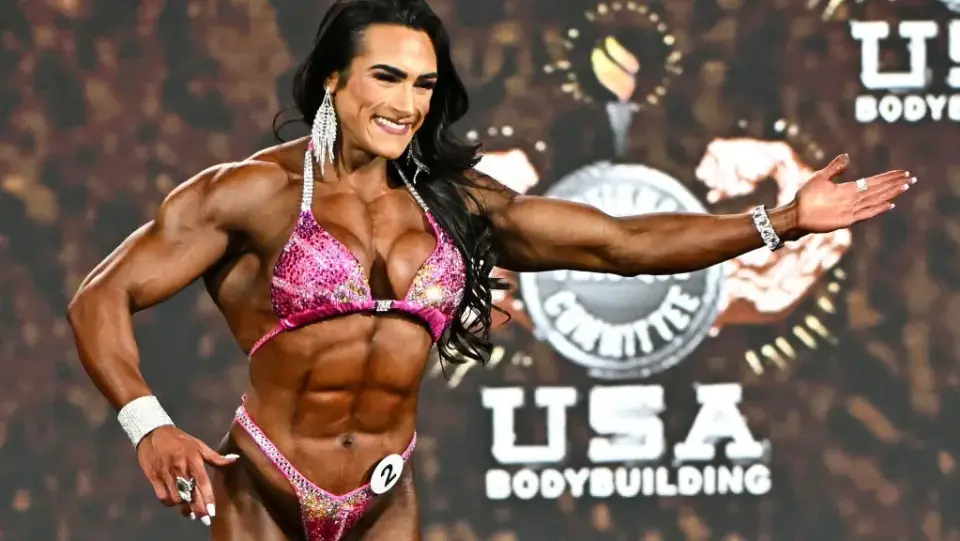
Four-time Ms. Olympia champion Sarah Villegas accused current titleholder Natalia Coelho of using polymethyl methacrylate (PMMA) injections to create artificial 'plastic' muscles. Villegas claims a Brazilian health professional confirmed Coelho received these procedures at a clinic linked to Olympia event producers. While Coelho declined to confirm or deny the allegations, the IFBB Pro League stated it has no rules prohibiting such enhancements. Critics argue this undermines the sport's integrity, while league officials dismissed the claims as irrelevant to stage judging.
Key points
- Sarah Villegas, a four-time former Ms. Olympia champion, accused current champion Natalia Coelho of using PMMA (Plexiglas) injections to artificially enhance her physique.
- Villegas stated she received unsolicited information from a licensed Brazilian health professional confirming Coelho visited a clinic in Brazil for the procedure.
- The clinic’s doctor, Fernando Vitor, has financial ties to Tamer El-Guindy, a producer of the Olympia event and CEO of Musclecontest International, which is sanctioned by the IFBB Pro League.
- Natalia Coelho declined to confirm or deny the allegations when asked by Bob Cicherillo at a public seminar and did not respond to media inquiries.
- The IFBB Pro League stated it has no rules prohibiting PMMA implants in pro competitions, only in 'natural' drug-tested events, and did not announce an investigation.
- Bob Cicherillo, host of the Olympia competition, dismissed the controversy, stating judges only evaluate what is seen on stage and that there are no testing procedures for such substances.
Background
Bodybuilding has long grappled with the use of performance-enhancing drugs, but the alleged use of PMMA for muscle volume is distinct from traditional steroid use, as it bypasses the physical effort required to build muscle. The sport’s governing bodies have historically struggled to regulate cosmetic enhancements, with the IFBB Pro League separating 'natural' tested events from unregulated pro competitions. Previous controversies involving substances like steroids have been common, but the direct financial link between a clinic performing the alleged procedure and the event’s leadership adds a new dimension to the integrity debate. The archive notes that creatine and other supplements have shifted focus toward aging and cognitive health, but the current controversy centers on the fundamental definition of 'natural' muscle in competitive bodybuilding.
Why it matters
The controversy threatens the foundational integrity of women’s bodybuilding, where physical achievement is the core metric. If artificial enhancements are permitted without regulation, the sport risks becoming a competition of cosmetic surgery rather than athletic effort. The financial ties between the league and the clinic raise serious questions about conflicts of interest and the willingness of governing bodies to protect fair competition. Additionally, the health risks associated with PMMA injections, including potential disfigurement or death, highlight the dangers of unregulated cosmetic procedures in athletic contexts. This incident may force a reevaluation of rules and testing protocols in professional bodybuilding to preserve the sport’s credibility.
What to watch
The IFBB Pro League is expected to face pressure to investigate the allegations or clarify its stance on PMMA use. If no action is taken, the controversy may lead to further public backlash and potential legal or regulatory scrutiny. Coelho may eventually address the allegations directly, or the league may introduce new rules or testing procedures for pro competitions. The financial ties between the clinic and league leadership could be scrutinized by sponsors or governing bodies, potentially leading to changes in sanctioning agreements. The outcome will determine whether the sport adopts stricter regulations or continues to prioritize commercial interests over athletic integrity.
Want the full story? Read the original reporting
Read on USA Today