
Elvis Estate and Eminem Publisher Sue AI Music Platform Suno Over Copyright and Likeness Violations
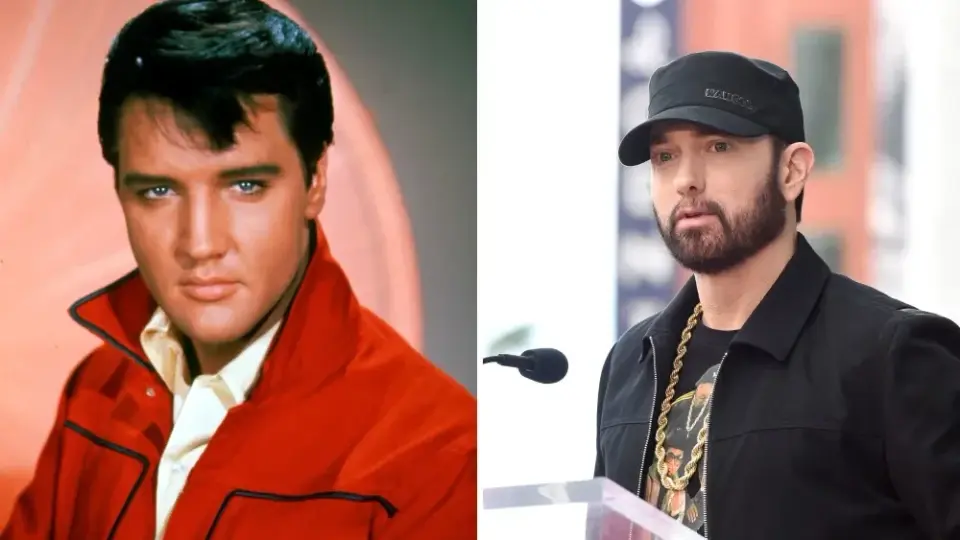
Rightsholders for Elvis Presley and Eminem have filed federal lawsuits against AI music generator Suno, alleging the platform infringes on their copyrights and misuses their identities. The Presley estate claims Suno violates Tennessee's ELVIS Act by cloning his voice, while the Eminem publisher alleges the AI replicates his lyrics. Suno denies the claims, stating it blocks specific artist prompts and screens uploads to prevent misuse. These cases join a broader wave of legal challenges against AI companies, including prior suits against Anthropic and Meta, though Suno recently raised $400 million at a $5.4 billion valuation.
Key points
- Authentic Brands Group and other Presley rightsholders filed a 51-page suit in the Northern District of California, accusing Suno of copyright infringement and violating Tennessee's 2024 ELVIS Act by generating tracks that mimic Presley's vocal timbre without permission.
- Eight Mile Style, the publisher controlling hundreds of Eminem recordings, filed a separate suit alleging Suno infringed copyright by allowing users to generate songs and lyrics that mirror the rapper's work, including 'Lose Yourself' and 'The Real Slim Shady'.
- Attorneys for both parties, including Richard Busch and Mark Block, argued that Suno mechanically encodes artists' identities and creativity for commercial gain, claiming the platform makes human creativity obsolete by replicating work in seconds.
- Suno responded by stating it exists to help create original music, not to trade on artists' names, and that it prohibits unauthorized use by blocking specific artist prompts and screening uploaded audio files and lyrics for potential misuse.
- The lawsuits follow similar actions against Anthropic and Meta, where the Presley estate sought $48.6 million for training Claude on 274 songs and Eight Mile Style sued Meta for $110 million over storing 243 recordings without permission.
- Despite the legal challenges, Suno raised $400 million in June at a $5.4 billion valuation, and previously settled with Warner Music Group, which helped power its September 'v6' model, though Universal and Sony later sued over that model.
Background
This story continues a pattern of high-profile legal actions by music rightsholders against AI companies. In October 2026, the Elvis estate sued Anthropic for $41 million over the use of 274 songs to train its Claude model, seeking to stop the generation of infringing derivatives. Similarly, Eight Mile Style sued Meta in June for $110 million, alleging it stored 243 of Eminem's recordings across Facebook, WhatsApp, and Instagram without permission. These cases reflect a growing trend of artists and estates using the legal system to protect their name, image, and likeness from AI exploitation, particularly as generative technology raises concerns about deepfakes and unauthorized commercial use.
Why it matters
These lawsuits test whether artists and estates can use the legal system to protect their identities from AI companies without explicit authorization or compensation. The cases highlight the tension between AI innovation and intellectual property rights, potentially setting precedents for how AI platforms handle artist data and likeness. The outcome could influence future regulations and business practices in the AI music industry, affecting how companies like Suno operate and how artists protect their work.
What to watch
The lawsuits will proceed through the federal court system, with potential discovery phases and possible settlements or trials. Suno may continue to strengthen its safeguards and guardrails to prevent unauthorized use of artist identities. The outcomes of these cases could influence other AI companies and music rightsholders, potentially leading to new regulations or industry standards for AI music generation.
Want the full story? Read the original reporting
Read on Variety