
First AI Streaming Fraud Conviction: North Carolina Man Sentenced to 18 Months for $8M Royalty Theft
Michael Smith, a 54-year-old North Carolina resident, was sentenced to 18 months in federal prison for the first criminal conviction involving AI-assisted music streaming fraud. Between 2017 and 2024, Smith used thousands of bots and AI-generated songs to artificially inflate streams on platforms like Spotify and Apple Music, stealing approximately $8 million in royalties. The US Department of Justice highlighted the case as a landmark effort to deter fraud that dilutes earnings for genuine artists. While prosecutors sought a longer sentence, the judge imposed 18 months plus two years of supervised release, with Smith required to forfeit the illicit proceeds.
Key points
- Smith pleaded guilty in March 2026 to one count of wire fraud conspiracy, agreeing to forfeit $8,091,843.64.
- The scheme involved creating hundreds of thousands of AI-generated tracks and using bots to generate billions of automated streams to avoid detection.
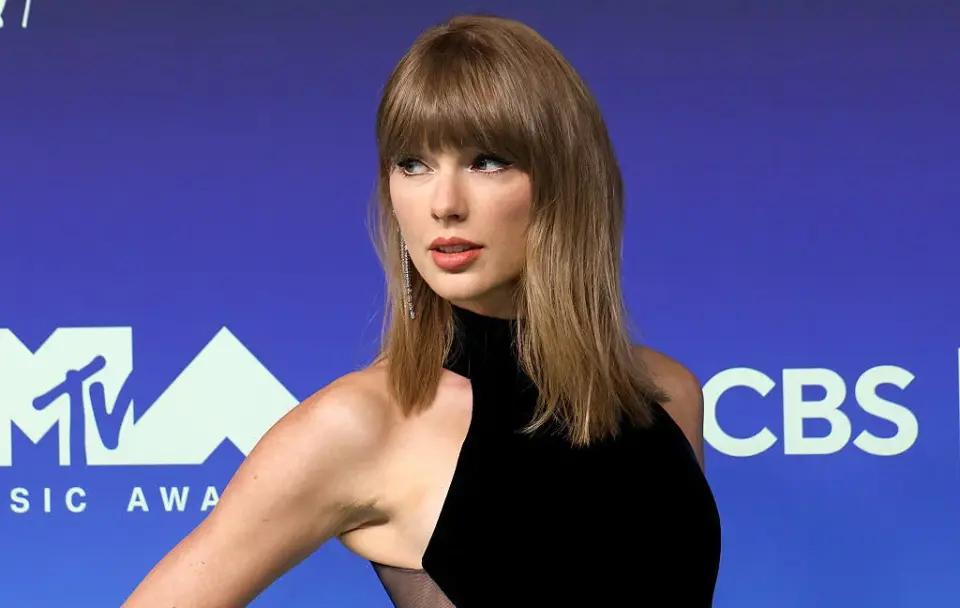
- In April 2023, Smith’s fake songs received 80.9 million streams, significantly outpacing Taylor Swift’s 9.3 million streams during the same period.
- Judge John G. Koeltl sentenced Smith to 18 months in prison, less than the 46 months sought by prosecutors but more than the probation requested by defense attorneys.
- Smith admitted to turning his love of music into a 'perverse business model' and expressed remorse for betraying the music community.
Background
This case marks the first criminal prosecution in the US for AI-assisted streaming fraud, a growing concern in the music industry. Earlier coverage noted the rise of AI in the music sector, including discussions on AI governance and the impact of artificial intelligence on creative industries. The case highlights the tension between technological innovation and the protection of artists' royalties, as streaming platforms struggle to distinguish between organic and artificial engagement.
How outlets are covering it
The US Department of Justice and the Recording Industry Association of America emphasized the need for a strong deterrent, arguing that Smith’s actions harmed 'hard-working songwriters' and required significant punishment. In contrast, Smith’s defense team argued that the harm to individual artists was 'insignificant' and that the industry’s structural issues, not Smith’s actions, were the primary problem. They also noted that streaming platforms did not explicitly prohibit bot usage in their terms of service at the time. Rolling Stone highlighted Smith’s personal remorse and the support he received from industry figures like RZA, while Billboard focused on the legal precedent set by the case. Ars Technica provided detailed technical insights into the bot and AI song generation methods used by Smith.
Why it matters
This conviction sets a legal precedent for AI-assisted streaming fraud, signaling that such activities will face significant criminal penalties. It underscores the growing threat of artificial intelligence to the music industry’s revenue model and the need for stronger enforcement mechanisms to protect artists' earnings. The case also highlights the challenges in distinguishing between organic and artificial streams, which could impact future regulatory frameworks and platform policies.
What to watch
The music industry and policymakers are expected to continue advocating for structural reforms to combat streaming fraud. The case may lead to increased scrutiny of AI-generated content and bot activity on streaming platforms. Additionally, the forfeiture of $8 million in illicit proceeds may be used to support anti-fraud initiatives or compensate affected artists. Further legal actions against similar schemes are anticipated as the DOJ continues to prioritize this area of enforcement.
- Fraudster jailed for using 10K bots and AI songs to outstream Taylor Swift Ars Technica
- Man Sentenced to Prison for Bot Streams of AI Songs Pitchfork
- A.I. Music Fraudster Who Drew Millions in Royalties Is Sentenced to 18 Months The New York Times
- AI Music Streaming Fraudster Sentenced to 1.5 Years in Prison for $8M Royalties Scam Billboard
- Music Streaming Fraudster Sentenced to 18 Months in Prison Rolling Stone
Want the full story? Read the original reporting
Read on Ars Technica