
Tokyo Court Sets Precedent: Human Voices Protected as Publicity Rights in AI Clone Case
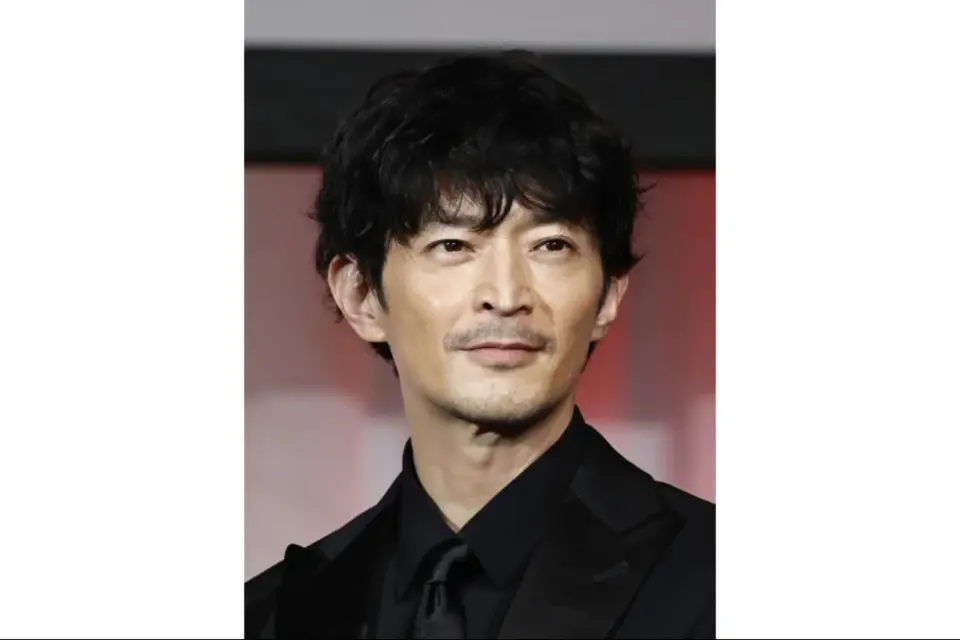
The Tokyo District Court ruled on October 1, 2026, that a human voice is protected under publicity rights, marking the first such legal precedent in Japan. The decision followed a lawsuit by voice actor Kenjiro Tsuda against TikTok, alleging that an anonymous account used AI to clone his distinctive baritone for 188 videos. While the court affirmed the violation of rights, it dismissed Tsuda’s request for the videos' removal because the account had already been deleted. The ruling establishes that using a voice for commercial gain without consent infringes on an individual's identity, a move that has significant implications for the anime industry and AI content creation.
Key points
- The Tokyo District Court ruled that a human voice is protected under publicity rights, similar to portrait rights, in the first such ruling in Japan.
- Voice actor Kenjiro Tsuda, known for voicing Kento Nanami in 'Jujutsu Kaisen,' sued TikTok over 188 AI-generated videos that allegedly mimicked his voice between July 2024 and September 2025.
- The court dismissed Tsuda’s demand for video removal because the anonymous account had been deleted by June 29, 2026, rendering the specific claim moot.
- Judge Aya Takahashi stated that unauthorized use of a voice for commercial appeal constitutes an infringement of publicity rights, describing a voice as 'as symbolic of one’s personality as portraits are.'
- The anonymous account, which had over 200,000 subscribers, allegedly earned between ¥500,000 and ¥750,000 monthly by using Tsuda’s voice traits to increase commercial value.
- TikTok argued the narration used a 'generic male voice' and that the uploader claimed the AI was trained on a friend's voice, but the court found strong similarities to Tsuda’s voice.
Background
This ruling follows a broader trend in Japan where voice actors and celebrities have faced unauthorized AI-generated content. In 2024, actors launched a 'No More' campaign opposing the use of their faces and voices in AI-generated content. Japan’s Ministry of Justice and Ministry of Economy, Trade and Industry have drafted guidelines suggesting voices may be protected under publicity rights and the Unfair Competition Prevention Act, but prior to this case, no court had recognized such infringement. The case highlights growing concerns in the anime industry about AI cloning, where voice actors achieve star status through their 'appearances' in anime and are vulnerable to AI mimicry that can mislead viewers and generate revenue without consent.
How outlets are covering it
AP News and The Guardian emphasize the landmark nature of the ruling, highlighting that it is the first in Japan to protect voices under publicity rights. The Guardian notes that Tsuda’s legal team described the content as 'sordid' and argued the account attracted attention solely due to the cloned 'attractive voice of a popular actor.' Nikkei Asia focuses on the legal gap, noting that Japan lacks specific voice rights laws but that the Justice Ministry’s guidelines suggest such use may be a violation. Automaton highlights the dismissal of the specific claim for video removal due to the account’s deletion, while stressing the precedent set for protecting 'seiyuu' (voice actors) voices. All sources agree on the core facts: the 188 videos, the revenue estimates, and the court’s affirmation of rights infringement, but differ in emphasis—AP and The Guardian focus on the cultural impact on the anime industry, while Nikkei and Automaton focus on the legal and procedural aspects.
Why it matters
This ruling sets a critical legal precedent in Japan, where voice actors are central to the anime industry and increasingly vulnerable to AI cloning. By recognizing voices as protected under publicity rights, the court provides a legal framework for individuals to challenge unauthorized commercial use of their vocal identity. This could influence future legislation and platform policies, as TikTok and other companies must now balance technology development with rights protection. The case also underscores the need for clearer laws in Japan, as current guidelines are not yet codified into statute, and it may inspire similar claims in other countries facing AI voice cloning issues.
What to watch
TikTok has stated it will 'respect the court’s judgment while considering what steps to take after scrutinizing [the ruling’s] details,' indicating potential policy changes to prevent similar AI voice clones. Japan’s government may accelerate efforts to codify voice rights into law, given the precedent set by this case. Voice actor unions, such as the Japan Actors Union, are likely to push for stronger legal protections, as the ruling validates their concerns about AI threats to livelihoods. Future cases may test the boundaries of this precedent, particularly regarding non-commercial uses or AI voices that are not exact clones but highly similar. The ruling may also influence global discussions on AI ethics and intellectual property, as other countries grapple with similar issues in the entertainment and media industries.
- Tokyo court grants legal protection to human voices in AI clone case AP News
- AI tool that copied actor’s ‘lustrous’ voice violated his rights, Tokyo court rules The Guardian
- Japan court rules voice is protected as publicity right in AI cloning case Nikkei Asia
- Voice actor Kenjiro Tsuda’s lawsuit over AI voice cloning dismissed, but ruling sets important precedent for protecting seiyuu voices in Japan AUTOMATON
- Japanese Court Rules Human Voices Are Protected In Landmark AI Case Engadget
Want the full story? Read the original reporting
Read on AP News