Tag

Ai Voice Cloning

All articles tagged with #ai voice cloning

Tokyo Court Sets Precedent: Human Voices Protected as Publicity Rights in AI Clone Case
technology-and-law12 days ago

Tokyo Court Sets Precedent: Human Voices Protected as Publicity Rights in AI Clone Case

The Tokyo District Court ruled on October 1, 2026, that a human voice is protected under publicity rights, marking the first such legal precedent in Japan. The decision followed a lawsuit by voice actor Kenjiro Tsuda against TikTok, alleging that an anonymous account used AI to clone his distinctive baritone for 188 videos. While the court affirmed the violation of rights, it dismissed Tsuda’s request for the videos' removal because the account had already been deleted. The ruling establishes that using a voice for commercial gain without consent infringes on an individual's identity, a move that has significant implications for the anime industry and AI content creation.


Tokyo Court Dismisses Tsuda’s TikTok Suit but Sets Precedent for Voice Rights
legal-and-technology12 days ago

Tokyo Court Dismisses Tsuda’s TikTok Suit but Sets Precedent for Voice Rights

The Tokyo District Court dismissed voice actor Kenjirō Tsuda’s lawsuit against TikTok on Wednesday, ruling that the case was moot because the infringing videos had already been removed. However, the court established a landmark precedent by affirming that human voices are protected under publicity rights, similar to visual likenesses. Tsuda had sued over 188 AI-generated videos that allegedly mimicked his distinctive baritone to generate revenue. While the specific claim for removal failed, the ruling clarifies that unauthorized commercial use of a voice constitutes a rights violation, a significant development for Japan’s anime industry and AI regulation.

Tokyo Court Sets Precedent: Human Voices Protected as Publicity Rights in AI Clone Case

Tokyo Court Sets Precedent: Human Voices Protected as Publicity Rights in AI Clone Case

A Tokyo district court ruled that a human voice is protected under publicity rights, marking the first such legal precedent in Japan. The decision followed a lawsuit by voice actor Kenjiro Tsuda against TikTok, alleging that an anonymous account used AI to clone his distinctive baritone for 188 videos. While the court affirmed the violation of rights, it dismissed Tsuda’s request for the videos' removal because the account had already been deleted. The ruling establishes that using a voice for commercial gain without consent infringes on an individual's identity, a move that has significant implications for the anime industry and AI content creation.

The Death of Hello: Gen Z, AI Scams, and the End of Courtesy
technology1 month ago

The Death of Hello: Gen Z, AI Scams, and the End of Courtesy

A witty piece traces the word 'hello' back to historical greetings, explains how smartphones and caller ID have diminished the need for formal salutations, and notes Gen Z’s tendency to skip greetings on calls. It warns that AI voice cloning could mimic your voice from a greeting to scam loved ones, and advocates staying silent until you verify the caller—a cheeky closing that suggests “Hello is becoming obsolete” while advising against the classic “Ahoy-hoy.”

Netflix’s Wonka reality series uses AI to recreate Gene Wilder’s voice
television3 months ago

Netflix’s Wonka reality series uses AI to recreate Gene Wilder’s voice

Netflix’s Willy Wonka–themed reality competition The Golden Ticket premieres Sept 23 and uses an AI-recreated Gene Wilder voice with the Wilder Estate’s consent via ElevenLabs; Rusty Goffe returns as an Oompa Loompa, twelve teams compete for a life-changing prize, and a two-part finale airs Sept 30, stirring debate about AI in media.

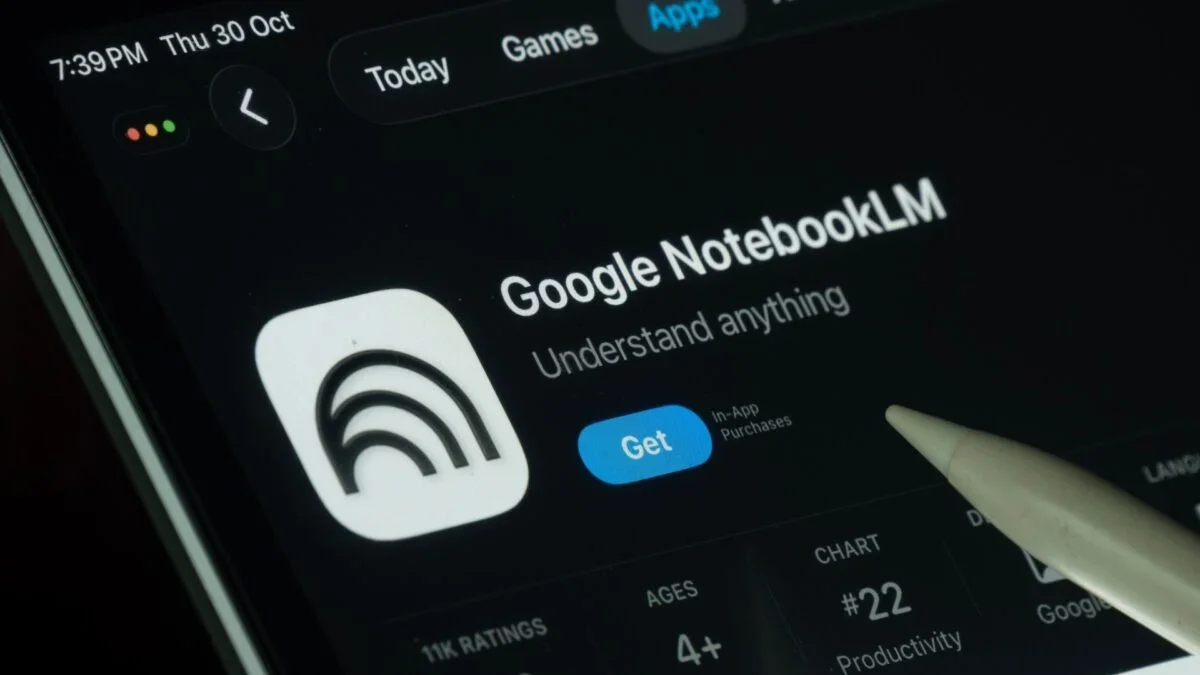
Ex-NPR Host Sues Google Over Alleged AI Voice Copy for NotebookLM
artificial-intelligence7 months ago

Ex-NPR Host Sues Google Over Alleged AI Voice Copy for NotebookLM

David Greene, a former NPR Morning Edition co-host, filed a California lawsuit accusing Google of using his distinctive voice to train one of NotebookLM's AI co-hosts without permission, tied to the platform's Audio Overviews that convert notes into podcast-style segments. Google says the voice comes from a paid actor. The case highlights ongoing tensions over consent, compensation, and data used to train AI-generated media.

Scarlett Johansson's Legal Battle Puts OpenAI in Hot Water
technologylegal2 years ago

Scarlett Johansson's Legal Battle Puts OpenAI in Hot Water

OpenAI may face legal trouble for creating a ChatGPT voice resembling Scarlett Johansson, potentially violating her right to publicity. Despite not intending the similarity, OpenAI's CEO's comments and public recognition of the likeness could worsen the situation. Johansson has hired legal counsel to address the issue, and OpenAI has temporarily pulled the voice.

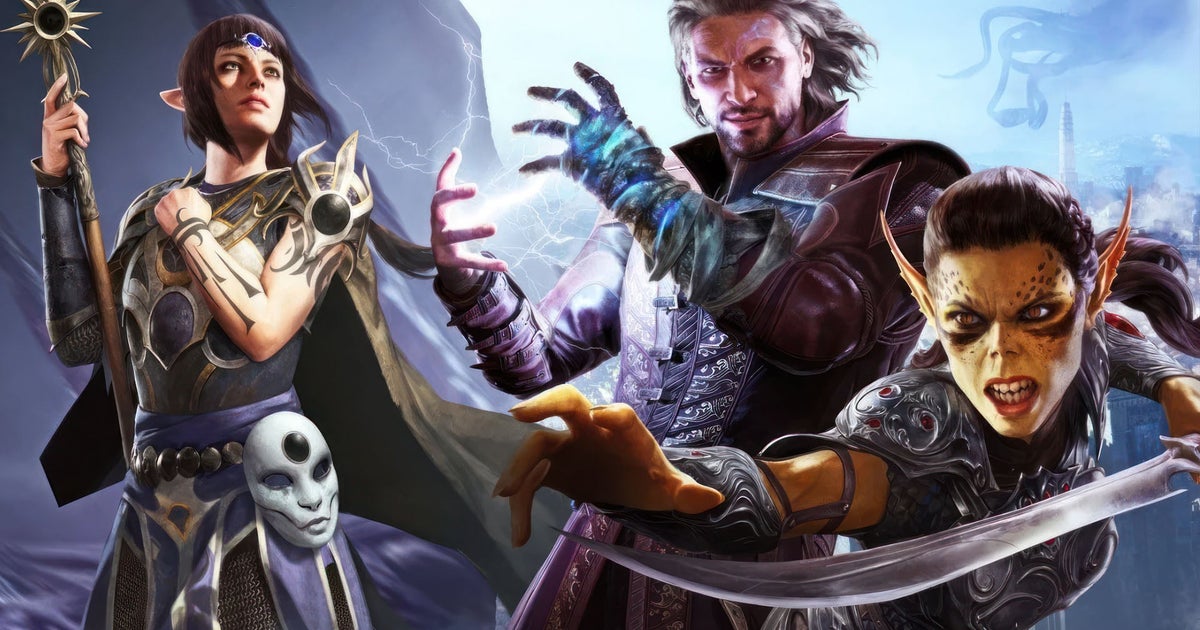
"The Dark Side of AI Voice Cloning in Baldur's Gate 3 Revealed by Actors"
gaming2 years ago

"The Dark Side of AI Voice Cloning in Baldur's Gate 3 Revealed by Actors"

The voice actors of Baldur's Gate 3 revealed the darker side of their success, citing instances of AI voice cloning without permission and the potential threats it poses to their careers. They expressed concerns about the lack of protection against AI in their industry and emphasized the importance of safeguarding their rights as performers. Despite the game's success at the BAFTA awards, the actors highlighted the need for better protection and remuneration in the face of advancing AI technology.

"OpenAI's New Voice Cloning Tool: Mimicking Human Voices with Just a 15-Second Sample"
artificial-intelligence2 years ago

"OpenAI's New Voice Cloning Tool: Mimicking Human Voices with Just a 15-Second Sample"

OpenAI has developed Voice Engine, a text-to-voice generation platform that can create a synthetic voice based on a 15-second clip of someone's voice. The AI-generated voice can read out text prompts in multiple languages and has been deployed by companies like Age of Learning and Dimagi. OpenAI is limiting access to about 10 developers and has implemented usage policies to prevent unethical uses, including impersonation without consent. The company also added watermarking to trace the origin of audio clips and suggested steps to limit risks associated with AI voice technology.

"Amazon Faces Lawsuit Over AI-Cloned Voices in 'Road House' Reboot"
entertainment2 years ago

"Amazon Faces Lawsuit Over AI-Cloned Voices in 'Road House' Reboot"

The screenwriter of the 1989 action film Road House is suing MGM Studios and Amazon Studios for copyright infringement over the upcoming Road House remake, alleging that Amazon used generative AI to clone actors' voices during last year's Hollywood strikes. The lawsuit seeks to block the film's release, scheduled for March, and Amazon denies using AI to replace or recreate actors' voices, stating that the allegations are false and that they don't believe their copyright has expired on Road House.

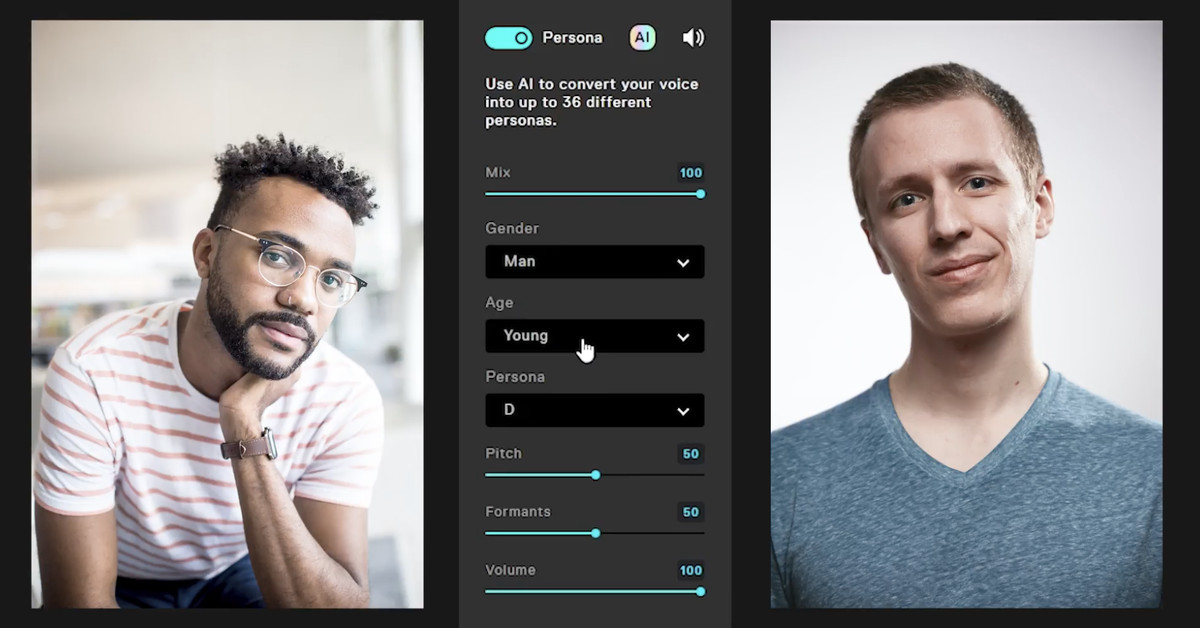
Revolutionizing Voice Modulation: Creating AI Voices from Scratch with Voicemod
technology2 years ago

Revolutionizing Voice Modulation: Creating AI Voices from Scratch with Voicemod

Voicemod, a popular AI voice changing program, has introduced new features that allow users to create and share their own unique synthetic voices from scratch. With the AI Voice Creator and Voicelab functionalities, users can customize various parameters and effects to create an almost unlimited number of voices. These DIY voices can be shared on the Community Voices platform. As AI voice technology becomes more prevalent, the legal hurdles are minimal since voices are not copyrightable. Voicemod is available for macOS and Windows 10 and 11.

"ElevenLabs' AI Voice Generator Breaks Language Barriers in 30 Languages"
technology3 years ago

"ElevenLabs' AI Voice Generator Breaks Language Barriers in 30 Languages"

ElevenLabs, known for creating visual deepfakes, has expanded its voice cloning capabilities to support 22 more languages, bringing the total to 30. The company offers two AI voice tools, including a text-to-speech model and a "VoiceLab" that allows users to clone voices by inputting speech fragments. The new Multilingual v2 model promises "emotionally rich" audio in various languages, such as Greek, Malay, and Turkish. ElevenLabs aims to eliminate linguistic barriers to content and is targeting media companies for applications like audiobooks and video game voice NPCs. However, the technology has raised concerns among voice actors who fear it may undercut their work.