
Hollywood VFX Artists Embrace AI to Automate Tedious Rotoscoping Tasks
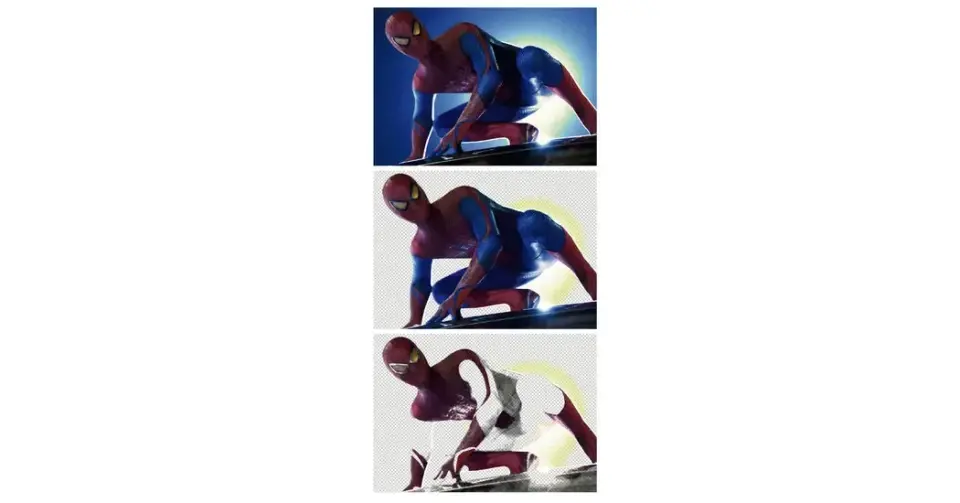
Visual-effects professionals in Hollywood are increasingly open to using artificial intelligence to automate rotoscoping, a labor-intensive and monotonous task. While the industry has historically resisted AI, this specific application is viewed as a potential relief from grueling manual work.
Key points
- Rotoscoping is described by VFX artists as a tedious, mind-numbing, and soul-destroying job despite its essential role in film production.
- The Hollywood visual-effects sector, which has previously been critical of AI, is showing openness to using the technology to alleviate the burden of rotoscoping.
- The article notes that the primary motivation for adopting AI in this context is to reduce the drudgery of the task rather than to replace creative roles.
Background
This development occurs amid broader efforts to support the film industry, such as California Governor Gavin Newsom's proposal to expand film tax credits to $1 billion annually to retain jobs. The shift toward AI in VFX also contrasts with recent industry consolidations, like Diageo's closure of its Baltimore brewery, which eliminated 174 jobs, highlighting the varying impacts of corporate restructuring and technological change on employment.
Why it matters
The acceptance of AI for rotoscoping signals a nuanced shift in Hollywood's stance on automation, prioritizing the elimination of repetitive labor over blanket resistance to the technology. This could redefine job roles in visual effects and set a precedent for how AI is integrated into other tedious aspects of film production.
What to watch
The article does not provide specific timelines or further developments regarding the implementation of AI for rotoscoping, as the full text is behind a paywall. Future coverage may detail specific tools, studio adoptions, or labor impacts.
- Can A.I. Take the Edge Off One of Hollywood’s Worst Jobs? The New York Times
- Even Martin Scorsese uses AI for storyboards. Can the art survive? AOL.co.uk
- Bloomberg Screentime: The Business of Pop Culture on Bloomberg HD: full details and when it's on TVGuide.co.uk
- Businessweek Convenes: A Frank Conversation on AI & Hollywood on Bloomberg HD: full details and when it's on TVGuide.co.uk
- Bloomberg Screentime on Bloomberg HD: full details and when it's on TVGuide.co.uk
Want the full story? Read the original reporting
Read on The New York Times