
TikTok Permanently Bans 'Musk' Documentary Account Amid Wide Release
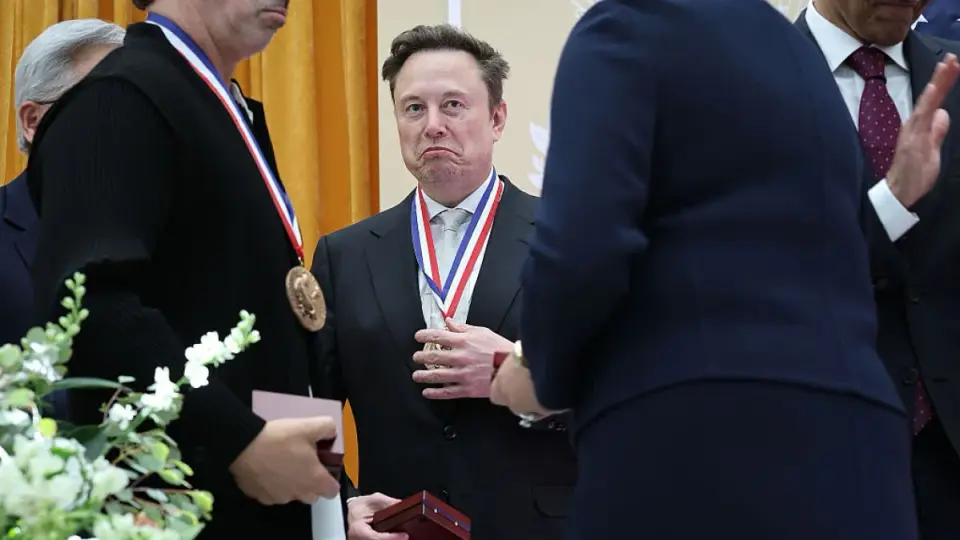
TikTok has permanently suspended the official promotional account for the documentary 'Musk' just as the film expanded to nearly 500 theaters in North America. The platform cited 'political content' violations, though it did not specify which posts triggered the ban. Distributor Bleecker Street is appealing the decision, noting that the suspension disrupts planned advertising campaigns during a critical weekend release window.
Key points
- TikTok permanently suspended the 'Musk' documentary account on Friday, October 17, 2026.
- The ban coincided with the film's expansion to 472-500 theaters across North America.
- TikTok cited 'political content' violations but refused to disclose specific details.
- Bleecker Street, the distributor, is appealing the suspension and expressed disappointment in the timing.
- The documentary, directed by Alex Gibney, is nearly four hours long and critically examines Elon Musk's activities.
- TikTok is partially owned by Larry Ellison, who is featured in the documentary in a negative light.
Background
The documentary 'Musk' has faced significant platform resistance since September 2026, when YouTube, TikTok, and Meta refused paid ads for the trailer, citing political content policies. X refused to accept any advertising for the film. The film opened in a limited release on October 9, 2026, grossing approximately $70,000 in its first weekend before expanding to hundreds of theaters. The documentary investigates Musk's political activities, his acquisition of Twitter, and his relationships with various figures, including Larry Ellison, a partial owner of TikTok.
How outlets are covering it
The Hollywood Reporter emphasized the irony of the ban, noting that TikTok is partially owned by Larry Ellison, who is criticized in the documentary for offering to help finance Musk's Twitter acquisition. THR also highlighted that the film's recent posts included satirical content, such as a suggestion to 'delete your X account' and 'switch your seats if they are too far to the right.' Variety focused on the broader context of platform resistance, noting that Universal Pictures wavered on the film's overseas release due to political concerns. The Daily Beast framed the suspension as 'shocking censorship,' highlighting the film's critical stance on Musk. Mashable noted that while TikTok has no direct affiliation with Musk, the platform's actions raise concerns about Big Tech suppressing critical content, a theme central to the documentary itself. All outlets agreed that the suspension disrupts the film's marketing efforts during a critical release window.
Why it matters
The suspension raises significant concerns about Big Tech platforms suppressing critical content, particularly when the content targets influential figures like Elon Musk. The timing of the ban, coinciding with the film's wide release, suggests that the platform may be acting to protect its own interests or those of its owners. The lack of transparency from TikTok regarding the specific violations has fueled speculation about potential bias or censorship. The incident also highlights the growing tension between social media platforms and critical journalism or documentary filmmaking, particularly in the current political climate.
What to watch
Bleecker Street is appealing the suspension, but it is unclear whether the account will be reinstated in time to impact the film's weekend box office performance. TikTok has not responded to requests for comment, and it is unclear whether the platform will provide further details on the specific violations. The documentary is expected to reach $385,000 by Sunday, according to rival studio estimates. The film's HBO release is scheduled for 2027, and it is unclear whether the TikTok suspension will impact the film's long-term distribution or reception.
- TikTok suspends 'Musk' documentary account over political content Mashable
- TikTok “Permanently Suspends” the ‘Musk’ Film Ad Account, Raising Suppression Fears (Exclusive) The Hollywood Reporter
- Explosive Elon Musk Film Hit With Shocking TikTok Censorship The Daily Beast
- ‘Musk’ TikTok Ad Account Permanently Suspended Ahead of Documentary’s Wide Release Variety
- TikTok permanently bans ‘Musk’ documentary advertising account TechCrunch
Want the full story? Read the original reporting
Read on Mashable