
VisionQuest Premieres as a Nostalgic but Conventional MCU Finale
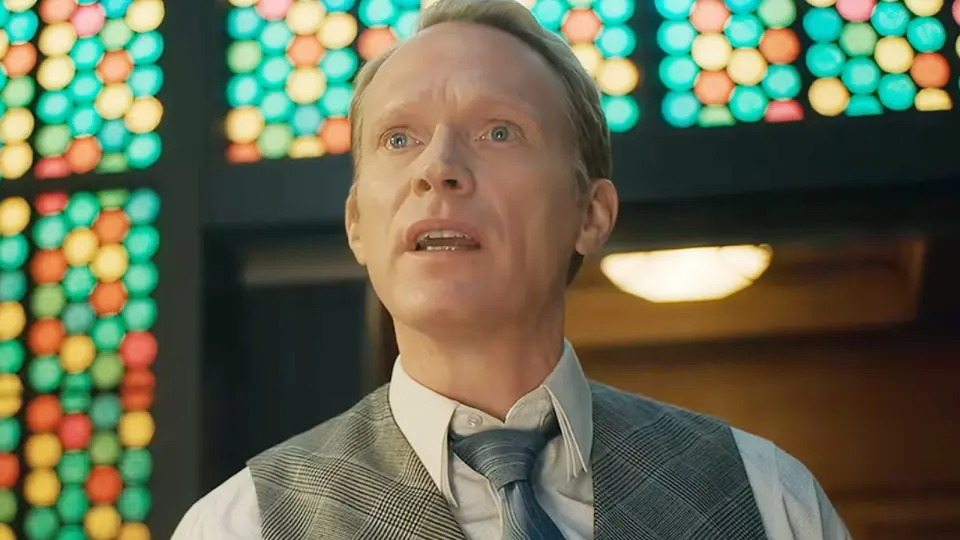
VisionQuest, the eight-episode Disney+ series concluding the WandaVision arc, premiered on October 14, 2026. Created by Terry Matalas, the show follows the resurrected White Vision as he inhabits a virtual 'Mindspace' populated by six AI avatars from the MCU. While critics praise the chemistry between Paul Bettany and James Spader, reviews criticize the series for excessive exposition, emotional flatness, and a lack of stylistic innovation compared to its predecessors.
Key points
- The series features six AI characters from Tony Stark's legacy, including J.A.R.V.I.S., F.R.I.D.A.Y., E.D.I.T.H., Ultron, and the duo Dum-E and U, all represented by human avatars in Vision's mind palace.
- Critics note that the show arrives five years after WandaVision, making its heavy reliance on MCU backstory feel dated and difficult for new viewers to follow.
- Paul Bettany and James Spader receive strong praise for their performances, particularly their dynamic as Vision and the imprisoned Ultron.
- The series is viewed as the final installment of Marvel's current television strategy, which has faced criticism for producing too many disconnected miniseries.
- The premiere episode introduces a plot involving a bounty hunter named Paladin and a mysterious connection to Tommy Maximoff, now living as Thomas Shepherd in London.
Background
VisionQuest serves as the third and final part of the WandaVision trilogy, following the 2021 series and the 2024 spin-off Agatha All Along. It concludes the narrative arc of the Vision character, who was last seen flying off at the end of WandaVision. The series also ties into the broader MCU timeline, referencing events from Avengers: Age of Ultron and Avengers: Endgame.
How outlets are covering it
SlashFilm provides a detailed breakdown of the six AI characters and their origins in the MCU, emphasizing the casting choices and the show's connection to previous films. The Ringer argues that VisionQuest is a 'by-product of a bygone era,' criticizing its timing and lack of synergy with the current MCU, while praising the performances. Time Magazine criticizes the show for being emotionally simplistic and stylistically conventional, noting that it fails to match the innovation of WandaVision. Vulture offers a recap of the first episode, highlighting the show's focus on identity and the dynamic between Vision and Ultron, while noting the introduction of new characters like Paladin and Thomas Shepherd.
Why it matters
VisionQuest marks the end of an era for Marvel Television, which has struggled to replicate the success of WandaVision. The series' reception reflects broader concerns about the sustainability of the MCU's TV strategy and the impact of delayed releases on audience engagement. It also highlights the ongoing debate about the role of AI in superhero narratives and the challenges of adapting complex characters for new media.
What to watch
The remaining six episodes of VisionQuest will air over the next four weeks on Disney+. The series is expected to conclude the WandaVision arc and potentially set up future MCU projects, including Avengers: Doomsday. Marvel Television is also expected to announce new series and strategies as it transitions away from its current miniseries model.
- VisionQuest: All 6 AI Characters And Their MCU Origins Explained SlashFilm
- Paul Bettany says Marvel transformed his life after he was told his career was over Reuters
- ‘VisionQuest’ Is a By-Product of a Bygone MCU Era The Ringer
- 'VisionQuest' Puts a Frustratingly Conventional End to Marvel��s 'WandaVision' Trilogy Time Magazine
- VisionQuest Series-Premiere Recap: Home Is Where the Bots Are Vulture
Want the full story? Read the original reporting
Read on SlashFilm