
Russell Brand Faces Further Prison Transfer After Innocence Claim
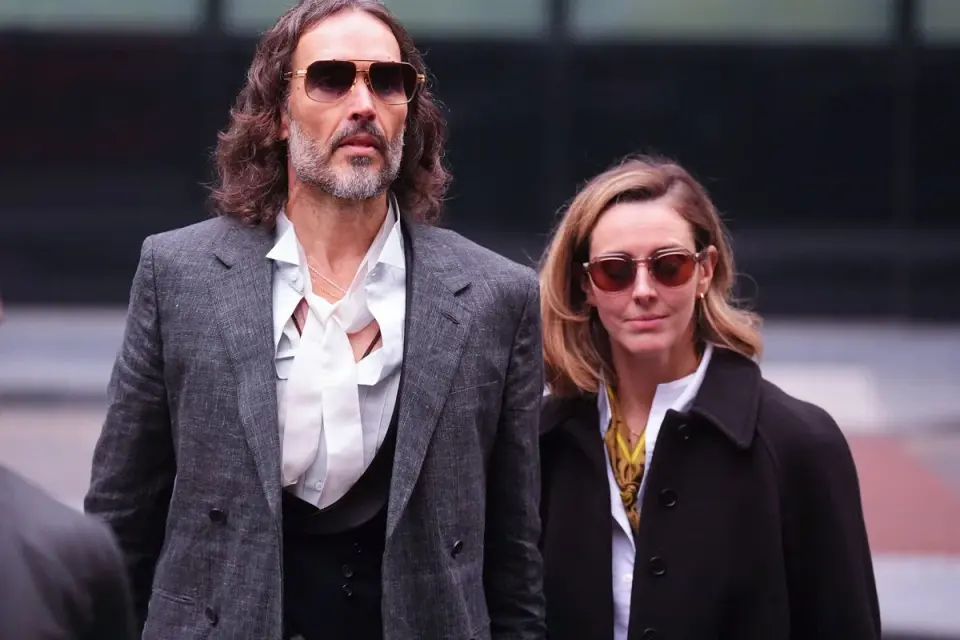
Russell Brand is facing a transfer to a higher-security prison after his wife published a statement on YouTube in which he denied his rape and sexual assault convictions. Downing Street called the message 'appalling' and confirmed an urgent investigation into whether Brand violated prison rules by communicating through a third party. Brand was recently moved to HMP Littlehey, a facility for sex offenders, but officials are now assessing if he requires a more secure environment due to the incident.
Key points
- Brand was convicted of one count of rape and three counts of sexual assault, receiving a 10.5-year sentence.
- His wife, Laura Brand, read a statement on their YouTube channel claiming he is 'not guilty' of the offences.
- Downing Street stated prisoners are banned from making statements that distress victims and cannot bypass rules via third parties.
- Brand was transferred from HMP Wandsworth to HMP Littlehey on Friday, but officials are now considering a move to a higher-security facility.
- Investigations are underway to determine if the message was an attempt to influence accusers whose allegations are currently being reviewed by police.
Background
Brand was previously assessed for transfer to HMP Wakefield, a high-security prison, but officials deemed it too dangerous for him. He was instead moved to HMP Littlehey, a Category C prison for men judged unlikely to escape. New allegations of sexual misconduct, including one from a 16-year-old, have emerged alongside his current sentence.
How outlets are covering it
The Independent and The Times report that prison officials met on Tuesday to discuss moving Brand to a higher-security jail, with sources indicating his calls will now be monitored. The BBC highlights that Foreign Secretary Ed Miliband called the message 'revolting' and apologized for a 2015 interview with Brand. Deadline notes that the BBC accidentally aired a clip of the statement on Radio 4 before deleting it due to a 'miscommunication.' While all sources agree the message violated norms, The Times emphasizes the potential for influencing accusers, whereas the BBC focuses on the trauma inflicted on victims.
Why it matters
The incident highlights tensions between prisoner rights, media access, and victim protection. It raises questions about how prison rules apply to digital communications and the potential for inmates to influence ongoing legal proceedings through third-party platforms. The government's response signals a stricter enforcement of media restrictions for convicted offenders.
What to watch
Prison officials will determine if Brand is transferred to a higher-security facility. Police will investigate whether the message attempted to influence accusers. Brand is expected to serve two-thirds of his sentence before release on licence, but the current scrutiny may impact his conditions of confinement.
- Russell Brand faces prison transfer after ‘appalling’ YouTube message AOL.com
- Russell Brand prison message 'appalling' and being investigated, No 10 says BBC
- Minister criticises media for 'amplifying' Russell Brand's prison message BBC
- Russell Brand: six more women accuse him of sexual misconduct The Times
- BBC Deletes Russell Brand Prison Clip After Playing It “In Error” On ‘Today’ Show Deadline
Want the full story? Read the original reporting
Read on AOL.com