
Philadelphia’s South Street faces 30% vacancy rate amid stalled zoning reform
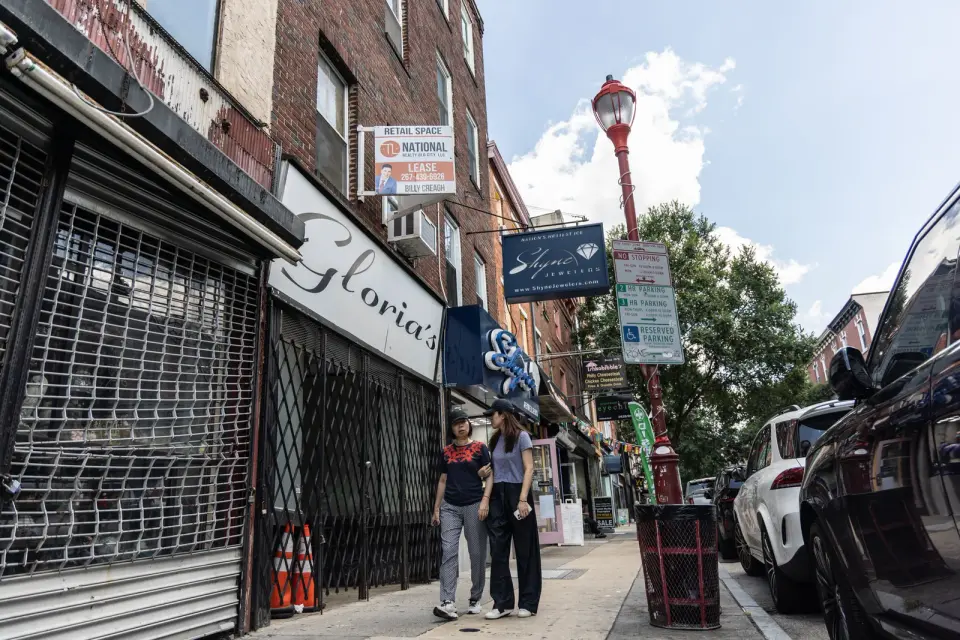
South Street in Philadelphia is grappling with a 30% commercial vacancy rate, the highest in a generation, as it struggles to recover from a decline that began over two decades ago. While the corridor retains popular attractions like Jim’s South Street and the Magic Gardens, foot traffic remains low compared to its peak. City planners have proposed a zoning remap to CMX-3 mixed-use standards to encourage redevelopment by allowing taller buildings and new business types by right, bypassing costly variance processes. However, progress has stalled for over a year due to lack of consensus among neighborhood organizations. Critics argue that zoning changes alone will not address issues like nuisance establishments or high rents, while supporters believe standardized rules are necessary to attract diverse businesses and anchor tenants.
Key points
- The commercial vacancy rate on South Street has reached 30%, significantly higher than comparable neighborhoods like East Passyunk and Fishtown.
- City planners propose replacing various zoning classifications between 11th and Front streets with CMX-3 mixed-use zoning, allowing buildings up to 65 feet tall with mandatory ground-floor commercial space.
- The proposal aims to simplify development by allowing new construction 'by right' rather than requiring lengthy and costly zoning variances from the city.
- Neighborhood organizations, including the Queen Village Neighbors Association, have not reached consensus on the plan, with some fearing loss of character and others concerned about high rents and nuisance businesses.
- Councilmember Mark Squilla hopes to receive a response from community groups within three to six months, though some residents believe the remapping plans have been effectively shelved.
Background
South Street has been a focal point for urban revitalization efforts in Philadelphia for years, previously seen as a trendy hub for entertainment and shopping. Recent remapping efforts in other neighborhoods like Society Hill and East Poplar have set precedents for updating zoning to match current uses. The current debate follows a series of meetings between city planners and registered community organizations starting in August 2024, with a draft proposal presented in August 2025. The lack of progress reflects broader challenges in balancing development incentives with community concerns over quality of life and business diversity.
Why it matters
The situation on South Street highlights the complexities of urban revitalization in historic districts. A 30% vacancy rate indicates significant economic distress, potentially leading to further decline if not addressed. The proposed zoning changes could unlock development potential but risk exacerbating issues like high rents or unwanted business types. The lack of consensus among stakeholders suggests that technical solutions alone may not resolve deep-seated community tensions, requiring broader strategies involving housing, infrastructure, and cultural preservation to succeed.
What to watch
City Councilmember Mark Squilla expects a response from neighborhood organizations within the next three to six months regarding the CMX-3 zoning proposal. Depending on their feedback, the city may move forward with the remapping or return to the drawing board. Meanwhile, community groups continue to debate the merits of by-right development versus maintaining variance processes, with some advocating for additional measures like pedestrian plazas or a revitalization corporation to address the corridor's multifaceted challenges.
Want the full story? Read the original reporting
Read on Billy Penn at WHYY