
Tupac Murder Conviction Sparks Appeal Threats and Family Relief
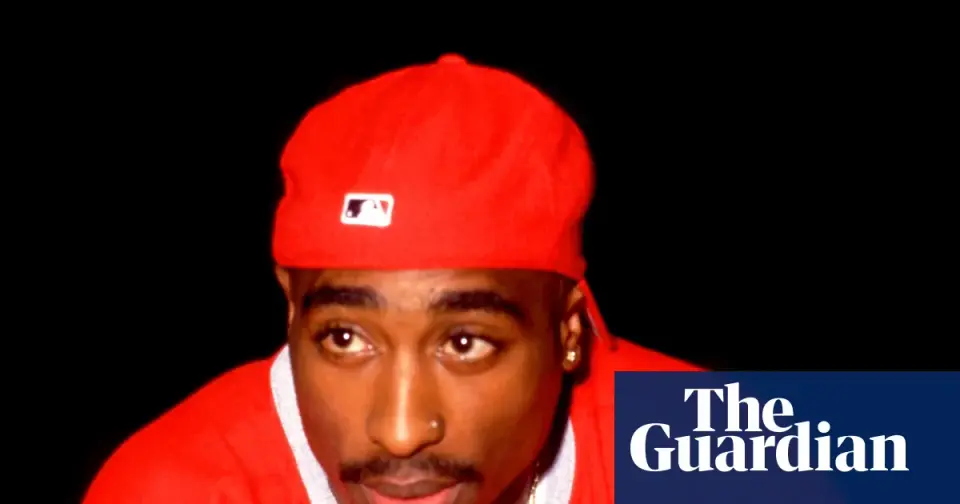
Duane 'Keffe D' Davis was convicted of first-degree murder for orchestrating the 1996 killing of rapper Tupac Shakur. The verdict, reached after less than three hours of deliberation, relies heavily on Davis's own admissions, including his 2019 memoir. While the Shakur family expressed relief, Davis's attorney plans to appeal, arguing the evidence was prejudicial. Davis faces a life sentence at his October 13 hearing.
Key points
- Duane 'Keffe D' Davis, 63, was found guilty of first-degree murder with use of a deadly weapon for his role in the 1996 Las Vegas shooting of Tupac Shakur.
- The prosecution's case centered on Davis's 2019 memoir 'Compton Street Legend' and a 2008 proffer agreement, where he described providing the gun and planning the attack.
- Davis's attorney, Michael Sanft, stated the defense will appeal, arguing the judge erred by allowing the proffer statements, which Davis claimed were fabricated for notoriety.
- The Shakur family, including cousin Aiysha Obafemi, described the verdict as 'elated and relieved,' honoring the long fight for justice, while Davis faces a potential life sentence.
- The jury deliberated for less than three hours, a speed that surprised the defense, who argued Davis was not present in Las Vegas at the time of the murder.
Background
This conviction marks the first legal resolution in the 30-year-old case of Tupac Shakur's death, which had previously fueled numerous conspiracy theories and remained unsolved. Prior to this trial, no one had been charged in the 1996 killing, despite decades of rumors and investigations. The case is often linked to the 1997 murder of The Notorious B.I.G., with some suggesting the Tupac conviction may renew efforts to solve that case.
How outlets are covering it
The Guardian and ABC News emphasized the emotional closure for fans and the Shakur family, highlighting the 'bittersweet joy' and 'relief' of finally having a verdict after three decades. NBC News focused on the legal strategy, noting the defense's immediate plan to appeal and the reliance on Davis's own statements. The Hollywood Reporter provided a broader cultural context, comparing the trial to a historical reckoning and noting unresolved questions, such as the alleged involvement of Sean 'Diddy' Combs, which the trial did not fully address. All sources agreed on the factual basis of the conviction but differed in emphasis: some on the emotional impact, others on the legal weaknesses or cultural implications.
Why it matters
The conviction closes a significant chapter in hip-hop history and criminal justice, demonstrating how long-standing cases can be resolved through new evidence, such as memoirs and proffer agreements. It also highlights the complexities of prosecuting cases decades after the fact, where physical evidence may be lacking, and raises questions about the reliability of self-incriminating statements. The case may also influence future investigations into related unsolved crimes, such as the murder of The Notorious B.I.G.
What to watch
Duane Davis is scheduled for sentencing on October 13, where he faces a potential life sentence. His attorney, Michael Sanft, has already announced plans to appeal the conviction, arguing that the use of the 2008 proffer agreement was prejudicial. The appeal process may take several years, and the outcome could impact how similar cases are handled in the future.
- ‘It always comes around’: fans react to conviction in Tupac Shakur’s murder 30 years later The Guardian
- ‘Not the end of the movie’: Duane Davis’ lawyer on what’s next after Tupac murder verdict NBC News
- Defense attorney in Tupac murder trial believes jury had "preconceived notions" and didn't review all evidence CBS News
- 'Elated and relieved': Tupac's family reacts to guilty verdict ABC News - Breaking News, Latest News and Videos
- Tupac’s Murder Finally Has a Guilty Verdict. But the Mystery Isn’t Over The Hollywood Reporter
Want the full story? Read the original reporting
Read on The Guardian