
Susan Smith Faces Second Parole Hearing for 1994 Drowning of Sons as Ex-Husband Urges Board to Deny Release
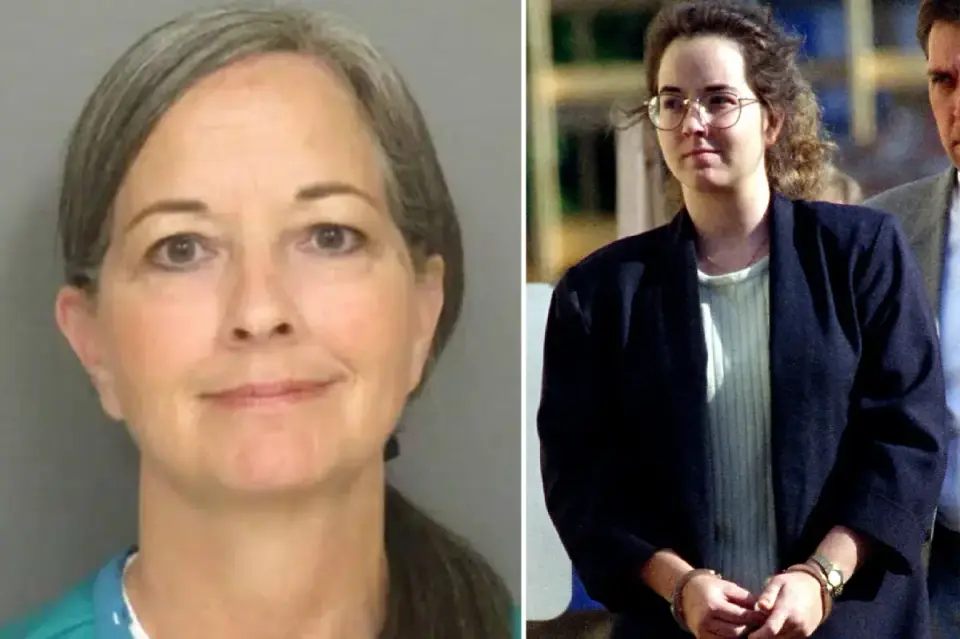
Susan Smith, 55, faces a second parole hearing on November 19 for the 1994 drowning of her two sons. Her ex-husband, David Smith, 56, has publicly urged the South Carolina parole board to deny her release, stating he wants her to remain in prison until death. Smith was convicted of killing Michael, 3, and Alex, 14 months, after falsely claiming a carjacking. Her first parole bid in 2024 was denied. Prosecutors and family members argue she has shown no genuine remorse, while Smith has cited religious forgiveness in previous hearings. The case remains a focal point for discussions on criminal justice and victim advocacy.
Key points
- Susan Smith is scheduled to appear before the South Carolina parole board on November 19 for her second attempt at release since her 1994 conviction.
- David Smith, the father of the victims, told CNN that 32 years have not changed his heartache and he wants Smith to stay in prison until she dies.
- Smith was convicted of drowning her sons in John D. Long Lake in Union, South Carolina, after initially lying about a carjacking by a Black man.
- Prosecutors alleged Smith killed the children to win back a married man she was having an affair with who did not want children.
- Smith’s first parole hearing in November 2024 was denied; she is currently incarcerated at Leath Correctional Institution in Greenwood, South Carolina.
- Former prosecutor Tommy Pope, now a state lawmaker, will attend the hearing to oppose Smith’s petition, questioning her sincerity in remorse.
Background
In 1994, Susan Smith’s case became a national sensation after she falsely reported a carjacking involving her two young sons. The story unfolded over nine days of public appeals before she admitted to driving her car into John D. Long Lake with the children inside. She was convicted of murder and sentenced to life in prison. Our archive notes that her first parole hearing in 2024 was denied, and this upcoming hearing coincides with the 32-year anniversary of the crime. The case has been referenced in discussions about parole reform and the long-term impact of high-profile crimes on victims' families.
How outlets are covering it
The New York Post and People.com emphasize the emotional stance of David Smith, highlighting his statement that he wants Smith to remain in prison until death and his belief that the heartache has not diminished over 32 years. Yahoo and Globe focus on the broader opposition to her release, including comments from a former prison girlfriend, Tracey Thompson, who also argued Smith should not be released. WSOC TV provides a legal perspective, noting that former prosecutor Tommy Pope will oppose the petition and that parole board outcomes are uncertain. All sources agree on the basic facts of the 1994 crime and the 2024 denial, but differ in emphasis: some focus on the victim’s family, others on the legal process, and one on additional voices from within the prison system.
Why it matters
This case tests the parole system’s approach to high-profile violent crimes and the weight given to victim advocacy versus inmate remorse. It also highlights the long-term psychological impact on families of victims and the public’s ongoing engagement with cases that have been in the news for decades. The outcome may influence future parole decisions in similar cases and spark debate on the criteria for release after decades of incarceration.
What to watch
The South Carolina parole board will make a decision on Susan Smith’s release following the November 19 hearing. If denied, Smith will remain at Leath Correctional Institution and may be eligible for another hearing in two years. If granted, she would be released under supervision, a scenario David Smith and other opponents have strongly opposed. The case will likely continue to draw media attention due to its historical significance and the strong public opinion against her release.
- Susan Smith, who drowned her 2 young boys, is up for parole — and kids’ dad wants her ‘in prison until she dies’ New York Post
- Susan Smith, Who Drowned Her 2 Young Sons 32 Years Ago, Makes Another Bid for Freedom as Boys’ Dad Fights Release People.com
- Susan Smith’s Ex-Husband Says He ‘Wants Her to Stay In Prison Until She Dies’ Ahead of Parole Hearing Yahoo
- Susan Smith makes second bid for parole in 1994 drowning deaths WSOC TV
- He learned on TV that his wife Susan Smith drowned their two young sons in 1994. He wants her in prison forever CNN
Want the full story? Read the original reporting
Read on New York Post