
Los Angeles Community Mobilizes to Protect Historic Laurel Canyon Country Store
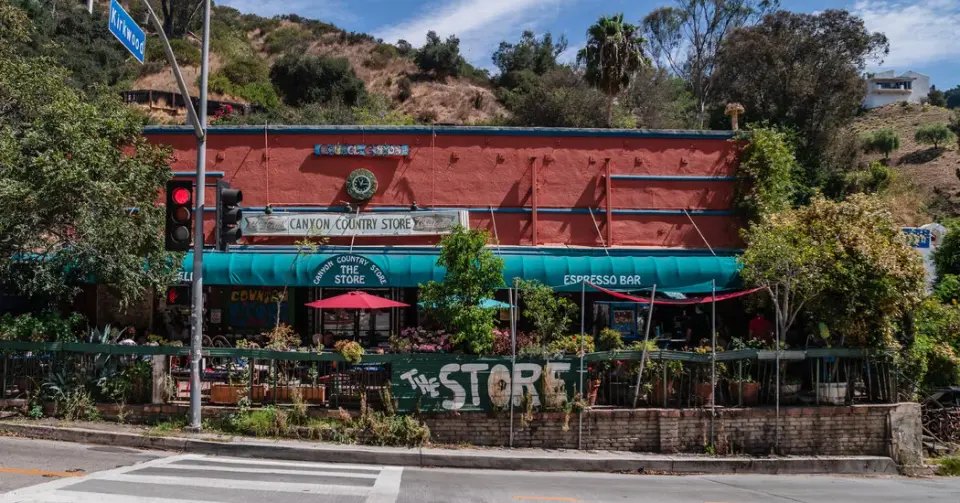
The Canyon Country Store, a century-old grocery in Los Angeles’ Laurel Canyon neighborhood, faces potential changes that have sparked a preservation campaign. Known as a hub for 1960s and 1970s rock musicians, the store is now the subject of a local effort to secure its status as a landmark to protect its unique cultural atmosphere.
Key points
- The store, approximately 100 years old, is characterized by its creaky infrastructure, intermittent power, and distinct scent of incense and dust.
- News of impending changes to the store triggered a strong reaction from the local counterculture community, who view the location as irreplaceable.
- Supporters are actively working to have the store designated as a landmark to prevent alterations that would compromise its historical integrity.
- The store served as a central gathering place for West Coast folk rock figures, including Jim Morrison, Graham Nash, and David Crosby, during the 1960s and 1970s.
Background
The Canyon Country Store has long been a fixture in the Laurel Canyon neighborhood of Los Angeles, situated in the Hollywood Hills. It gained prominence as a social hub for musicians and bohemians during the rise of West Coast folk rock. The store’s iconic flower-power signage, designed by Spike Stewart, and its role as a backdrop for the music scene have cemented its status as a cultural landmark in Southern California.
Why it matters
The potential changes to the Canyon Country Store highlight the ongoing tension between modern development and the preservation of cultural heritage in Los Angeles. The store represents a tangible link to the city’s counterculture history, and its fate serves as a case study in how communities mobilize to protect spaces that hold significant artistic and social value.
What to watch
The outcome of the landmark designation effort will determine whether the store retains its current form or undergoes changes. The success of the preservation campaign will likely influence future discussions about protecting other culturally significant sites in the Los Angeles area.
Want the full story? Read the original reporting
Read on The New York Times