
Princess Eugenie’s Lisbon Birth Signals a Permanent Move Away from Royal Scrutiny
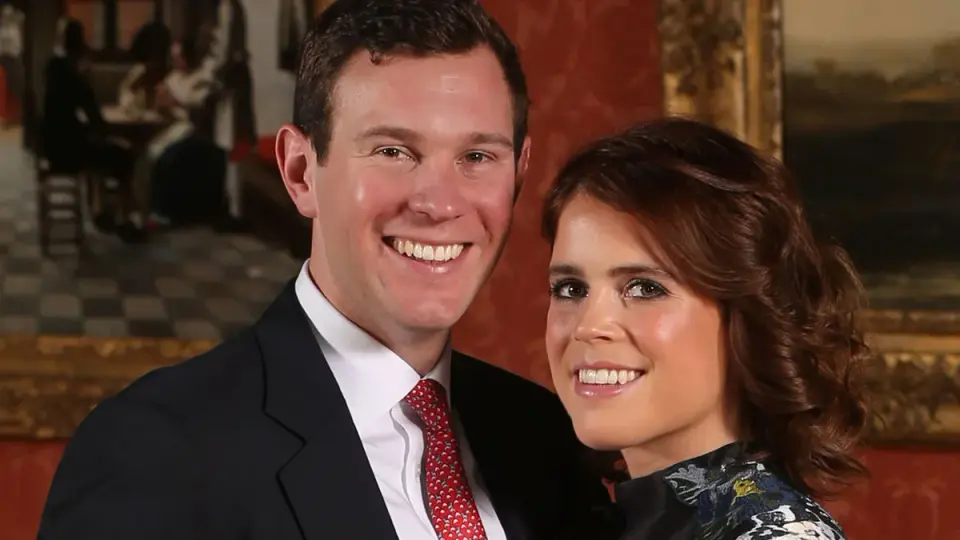
Princess Eugenie and Jack Brooksbank welcomed their third child, a daughter, in Lisbon on Monday, marking a significant departure from the tradition of royal births in London. The baby, weighing 6lbs 9oz, is 15th in line to the throne but will not hold the HRH title. This birth in Portugal underscores the couple’s permanent relocation to the Alentejo coast, driven by a desire for privacy and a break from the intense scrutiny surrounding their family following the legal troubles of Princess Eugenie’s father, Andrew Mountbatten-Windsor.
Key points
- The newborn is the fifteenth great-grandchild of Queen Elizabeth II and 15th in line to the throne.
- The couple has resided on Portugal’s Alentejo coast for two years, moving from London’s Portland Hospital where their previous two children were born.
- Jack Brooksbank works in marketing for the CostaTerra Golf & Ocean Club, a development linked to Prince Harry and Meghan Markle.
- The birth occurred against the backdrop of Andrew Mountbatten-Windsor’s loss of titles and arrest in 2025 and 2026.
- Eugenie has cited the anonymity and relaxed lifestyle in Portugal as key reasons for the move.
Background
This development follows the 2025 stripping of Andrew Mountbatten-Windsor’s titles and his subsequent arrest in February 2026 on suspicion of misconduct in public office. The family’s relocation to Portugal coincides with Jack Brooksbank’s career shift into the hospitality and real estate sector, specifically with Discovery Land Company. Previous archive coverage noted the couple’s split residence between Portugal and Kensington Palace, but the Lisbon birth suggests a decisive shift toward a permanent Portuguese base.
How outlets are covering it
HOLA! USA emphasizes the symbolic nature of the birth as a 'fresh start' away from the 'family saga' involving Andrew Mountbatten-Windsor, highlighting Eugenie’s desire for anonymity. BBC provides the factual details of the birth, including the time, weight, and the Buckingham Palace statement, noting the child’s position in the line of succession. Vanity Fair’s coverage, while largely obscured by cookie consent text in the provided source, frames the story as an analysis of why the birth did not occur in England, focusing on the logistical and personal reasons for the move. The outlets agree on the facts but differ in emphasis: HOLA! focuses on the emotional and symbolic break, while BBC focuses on the procedural and genealogical details.
Why it matters
The birth in Portugal signals a potential permanent shift in the lifestyle of senior royals, moving away from the traditional London-centric model. It highlights the growing influence of privacy and personal well-being over institutional tradition for younger members of the royal family, particularly those affected by the scandals surrounding their parents. It also underscores the increasing integration of the royal family with private business ventures and international real estate developments.
What to watch
The couple is expected to announce the baby’s name in the coming weeks. There may be further developments regarding the family’s permanent residence in Portugal and the potential impact on their duties within the royal household. The legal proceedings involving Andrew Mountbatten-Windsor will also continue to be a focal point for the family.
- Princess Eugenie breaks from family drama: Inside the home in Portugal where she welcomed her third child HOLA
- Why Princess Eugenie’s Third Child Wasn’t Born In England Vanity Fair
- Princess Eugenie gives birth to a baby girl in Portugal BBC
- Princess Beatrice’s Husband Shares a Sweet Instagram Comment to Welcome His New Niece People.com
- Princess Eugenie’s baby name: 3 possible contenders for her first daughter HOLA
Want the full story? Read the original reporting
Read on HOLA