
Power Outage Food Safety: Time, Temperature, and the Two-Hour Rule
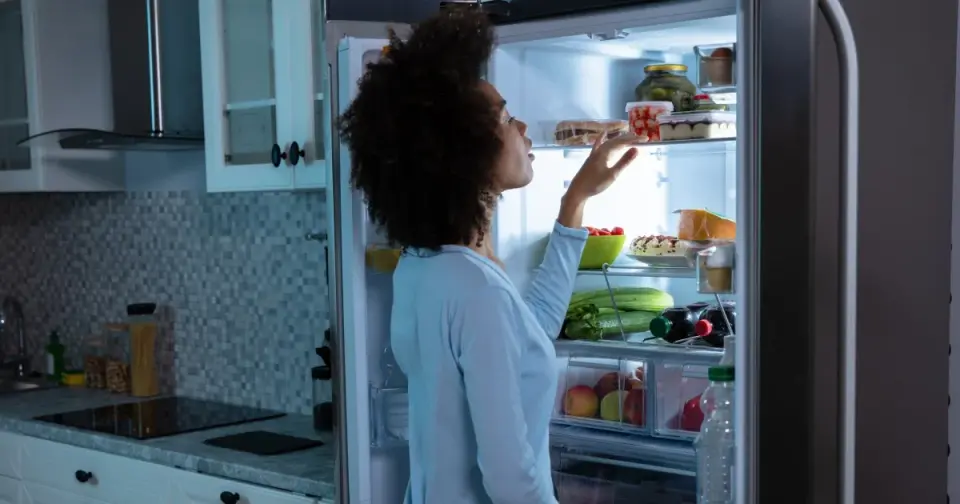
During a power outage, an unopened refrigerator keeps food safe for approximately four hours, while a full freezer maintains temperature for up to 48 hours. Experts warn that visual or olfactory checks are unreliable for determining food safety; instead, consumers must rely on time and temperature. Perishable items left at room temperature for more than two hours should be discarded. To mitigate risks, experts recommend keeping appliance thermometers in storage units, using coolers with ice packs for frequently accessed items, and pre-freezing water containers or gel packs before known severe weather events.
Key points
- An unopened refrigerator maintains safe temperatures for about four hours, while a full freezer lasts up to 48 hours and a half-full freezer for 24 hours.
- Opening fridge or freezer doors accelerates temperature rise; experts advise keeping doors closed to preserve cold air.
- Sensory checks like smell or appearance are ineffective for detecting bacterial growth; food can look and smell normal while being unsafe.
- Perishable foods exposed to room temperature for more than two hours must be discarded to prevent foodborne illness.
- Upon power restoration, check freezer temperatures: food at 40 degrees Fahrenheit or below, or containing ice crystals, can be refrozen.
- Preparation strategies include using appliance thermometers, moving perishables to coolers with ice, and freezing water containers in advance.
Background
Recent infrastructure issues, such as the August 2026 Long Beach underground vault fire that left thousands without power, highlight the practical relevance of outage preparedness. Additionally, the market for backup power solutions, like the Anker Solix S2000 portable power station, has seen increased interest, with recent sales offering devices capable of running refrigerators for over 30 hours. These developments underscore the growing consumer focus on maintaining food safety during extended grid failures.
Why it matters
Understanding food safety protocols during power outages prevents foodborne illness and reduces waste. Relying on intuition rather than scientific time and temperature guidelines can lead to consuming contaminated food. Proactive measures, such as monitoring temperatures and using backup cooling methods, ensure that households can safely manage perishable goods during unexpected grid failures, balancing health risks with economic losses from spoiled groceries.
What to watch
Consumers are encouraged to review their emergency preparedness kits, ensuring they include appliance thermometers and backup cooling solutions. As severe weather events continue to impact grid stability, experts anticipate increased demand for portable power stations and insulated storage devices. Regulatory bodies may also issue updated guidelines on food safety during extended outages, emphasizing the importance of temperature monitoring over sensory evaluation.
Want the full story? Read the original reporting
Read on NBC News