
Sourdough Demand Surges Beyond Pandemic Peak as Health Claims Spread
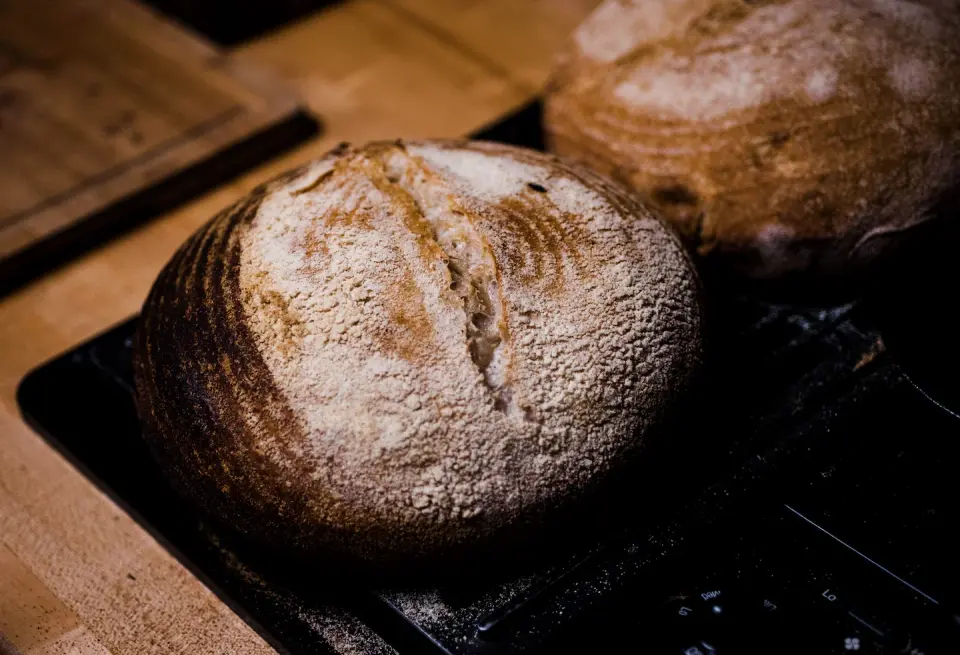
Sourdough popularity has continued to rise since the pandemic, expanding from bread to bagels, pizza, and pastries. Manufacturers and restaurants are increasingly marketing these products with claims regarding easier digestion, blood sugar control, and gut health, despite limited scientific consensus on these benefits.
Key points
- Sourdough demand has grown steadily since the pandemic-era spike in home baking, showing no signs of slowing down.
- The product category has expanded significantly beyond traditional loaves to include bagels, pizza, doughnuts, crackers, and pastries.
- Supermarket brands, restaurants, and independent bakeries are all incorporating sourdough into their menus and product lines.
- Marketing materials frequently highlight potential health benefits, specifically citing easier digestion, blood sugar regulation, and support for gut health.
Background
The initial surge in sourdough interest occurred during the pandemic when many consumers began baking at home. This trend has evolved into a broader commercial and culinary movement, with major food companies and eateries now standardizing sourdough options across various food categories.
Why it matters
The expansion of sourdough into mainstream food products reflects a shift in consumer preferences toward perceived health benefits. However, the widespread marketing of specific physiological advantages, such as blood sugar control, raises questions about the validity of these claims and the need for clearer nutritional labeling and scientific backing.
What to watch
Expect continued integration of sourdough into diverse food categories as manufacturers compete for market share. Regulatory scrutiny or further scientific studies may eventually address the accuracy of the health claims currently being promoted by brands.
Want the full story? Read the original reporting
Read on The Washington Post