
New Report Warns Crop Nutrient Density Has Halved Since 1960s
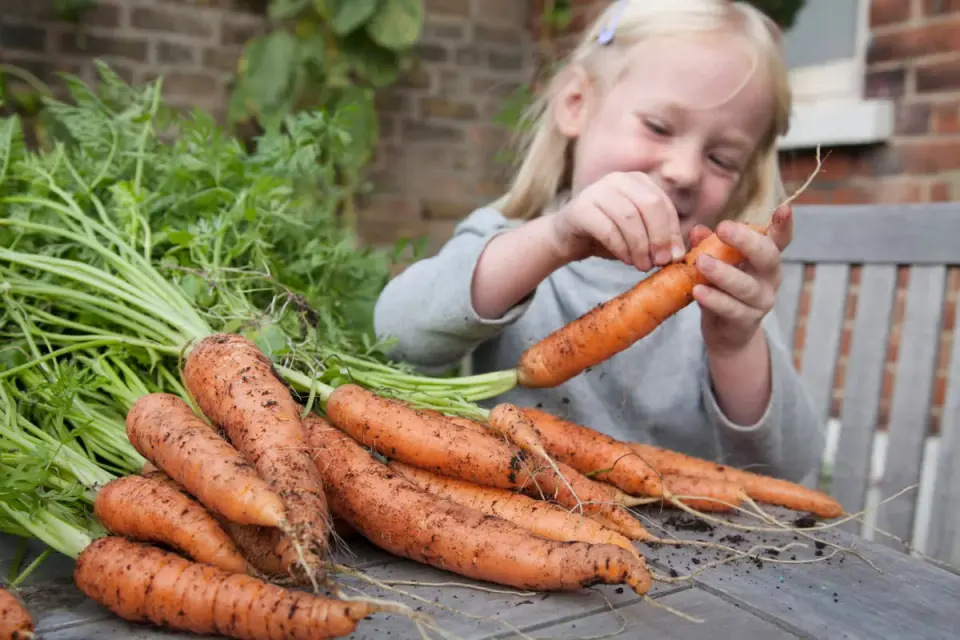
A new report by Deep Science Ventures (DSV) claims that modern vegetables contain 20% to 50% less essential nutrients than they did in the 1960s. The decline is attributed to decades of breeding for yield rather than nutritional quality, combined with soil degradation and fertilizer regimes that boost biomass without mineral uptake. While independent studies confirm drops in specific minerals like iron and zinc, experts caution that the 'half as nutritious' headline oversimplifies complex data. DSV warns that if GLP-1 weight-loss drugs reduce calorie intake while nutrient density continues to fall, millions of UK adults could face micronutrient deficiencies by 2050. Solutions proposed include better soil management, biofortified crop breeding, and new market incentives for nutrient-dense produce.
Key points
- DSV's 'Hollow Harvests' report states that nutrient concentrations in crops like carrots, peas, and onions have dropped by 20-50% since the 1960s.
- The decline is linked to agricultural intensification, breeding for high yields, and poor soil quality, though genetics and measurement differences also play a role.
- A 2004 study by Davis et al. found statistically reliable declines in six nutrients, including a 38% drop in riboflavin, while a 2022 UK study reported a 50% reduction in iron.
- DSV models a scenario where 15% GLP-1 drug penetration in the UK could lead to 5 million adults falling below safe micronutrient levels by 2050.
- Experts suggest that fortification alone is insufficient and that policy changes are needed to incentivize breeding for nutrient density and improving soil organic matter.
Background
This story follows broader concerns about the nutritional quality of modern food systems. While previous coverage focused on unrelated topics like housing prices and media ratings, the current narrative highlights a shift in agricultural priorities from volume to nutritional value. The rise of GLP-1 medications like Ozempic and Mounjaro has intensified scrutiny on how calorie reduction interacts with nutrient intake, making the quality of whole foods more critical than ever.
How outlets are covering it
The Independent and AgFunderNews present the DSV report as a serious warning, emphasizing the link between GLP-1 drug use and potential micronutrient deficiencies. AgFunderNews highlights the potential for new market incentives, such as supermarkets valuing nutrient density, to drive change. In contrast, TrialSite News offers a critical perspective, arguing that the 'half as nutritious' claim is scientifically misleading. TrialSite notes that while some nutrients have declined, others have not, and that the DSV report is an investment-oriented synthesis rather than a controlled clinical trial. The Telegraph was inaccessible due to a security block, so its specific stance could not be verified, but TrialSite cites its October 7 investigation as the initial source of the DSV findings. All sources agree that soil health and breeding practices are key factors, but they differ on the urgency and scope of the crisis.
Why it matters
If nutrient density continues to decline while calorie intake drops due to weight-loss drugs, public health could suffer from widespread micronutrient deficiencies. This could strain healthcare systems and necessitate new agricultural policies that prioritize nutritional quality over yield. The issue also highlights the need for better measurement and valuation of nutrient density in the food supply chain, potentially reshaping how farmers and food companies operate.
What to watch
Regulators and food companies may begin to develop frameworks for measuring and rewarding nutrient density in crops. DSV and other stakeholders are pushing for policy changes that require baseline nutrient levels for crop approval. Startups like Edacious are developing technologies to measure nutrient density in real-time, which could create new market incentives. However, the timeline for these changes is uncertain, and the effectiveness of fortification and breeding strategies will depend on complex interactions between soil, genetics, and climate.
- Vegetables are now half as nutritious than 60 years ago. Experts have worked out why The Independent
- Vegetables half as nutritious as they were in the 1960s The Telegraph
- Are Modern Vegetables Losing Half Their Nutrients? The Troubling Science Behind Our Food Supply TrialSite News
- Could GLP-1 drugs finally put a price on crop nutrient density? AgFunderNews
- 6 ways to eat a balanced diet as fruit and vegetables lose their nutritional value Metro.co.uk
Want the full story? Read the original reporting
Read on The Independent