
Chicago-area residents report surge in biting flies and daytime mosquitoes
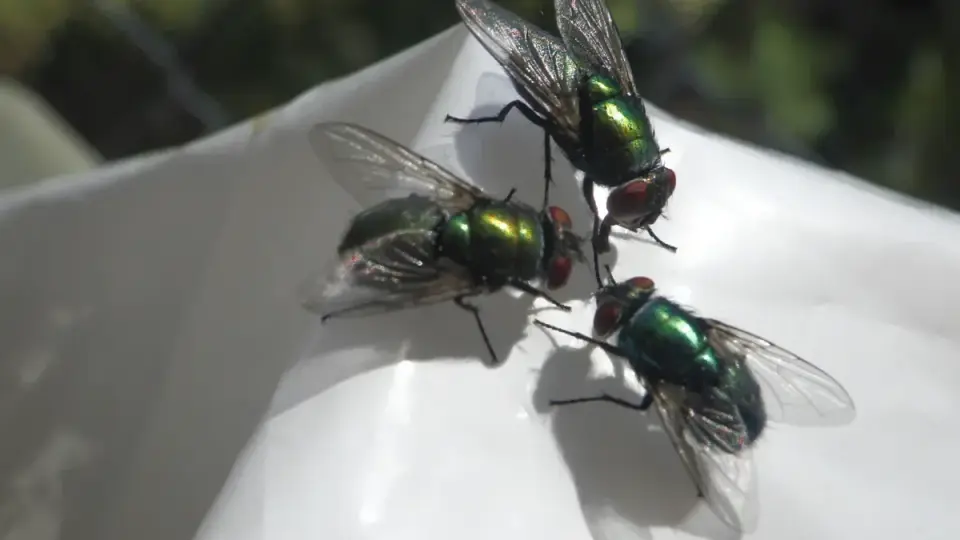
Residents across the Chicago metropolitan area are reporting a significant increase in biting flies and mosquitoes during late summer and early fall. The Illinois Department of Public Health (IDPH) attributes this to the seasonal peak of stable flies, which are known for their painful bites and tendency to target ankles. Concurrently, local mosquito abatement districts are noting higher-than-usual activity, particularly from an invasive species that feeds during daylight hours. Hot and damp weather conditions have created favorable breeding environments for these insects, prompting health officials to recommend preventive measures such as wearing protective clothing and using repellents, though they note that complete control is difficult due to the insects' hidden larval habitats and wide-ranging adult behavior.
Key points
- Residents in Chicago and its suburbs report a notable rise in biting flies and mosquitoes, with many describing severe bites in backyards and along the lakefront.
- The Illinois Department of Public Health identifies stable flies as the primary culprit, noting they are most prevalent in late summer and fall and often bite the ankle area with a sharp, stabbing pain.
- Stable flies lay eggs in vegetable matter and along shorelines, making population control challenging due to hidden larval habitats and the ability of adults to fly several miles from breeding sites.
- Mosquito abatement districts in the Chicago area report higher activity than usual, driven by hot and damp weather that favors breeding, including an invasive species that feeds during daylight and can ingest multiple blood meals.
- Health officials advise using repellents as a 'last line of defense' and recommend avoiding peak biting times, wearing light-colored, long-sleeved clothing, and staying away from known fly habitats.
Background
This story follows a pattern of seasonal pest surges in the Chicago area, where public health advisories often coincide with late-summer weather patterns. Previous coverage in the archive does not directly address insect populations, but highlights the importance of local environmental and health issues in community reporting.
How outlets are covering it
NBC Chicago emphasizes the widespread nature of the complaint, citing social media posts from residents across the city and suburbs, and highlights the IDPH’s guidance on stable flies and preventive measures. The Lansing Journal, while focused on a different geographic area, corroborates the trend by noting that daytime-biting mosquitoes are exacerbating the problem, linking it to broader regional conditions. Both sources agree on the severity of the issue but differ in focus: NBC Chicago centers on stable flies and IDPH advice, while The Lansing Journal highlights the role of invasive mosquito species and daytime activity. Neither source disputes the other’s claims, but they emphasize different aspects of the same seasonal phenomenon.
Why it matters
The surge in biting insects affects public health, outdoor recreation, and quality of life for residents. Understanding the species involved and their behaviors helps communities implement effective prevention strategies. The combination of stable flies and invasive mosquitoes, compounded by favorable weather, underscores the need for coordinated public health and pest control efforts in the region.
What to watch
Residents are advised to monitor for bites, use repellents, and avoid peak activity times. Local health and abatement districts may continue to monitor populations and adjust control strategies as the season progresses. Further updates may emerge as weather patterns shift or new data on insect populations becomes available.
- Are you noticing more biting flies this season? You're not alone NBC 5 Chicago
- Mosquitoes are bad this summer. The daytime biters aren’t helping. The Lansing Journal
Want the full story? Read the original reporting
Read on NBC 5 Chicago