
Urban expansion turns wildfire smoke into a toxic, long-term health crisis
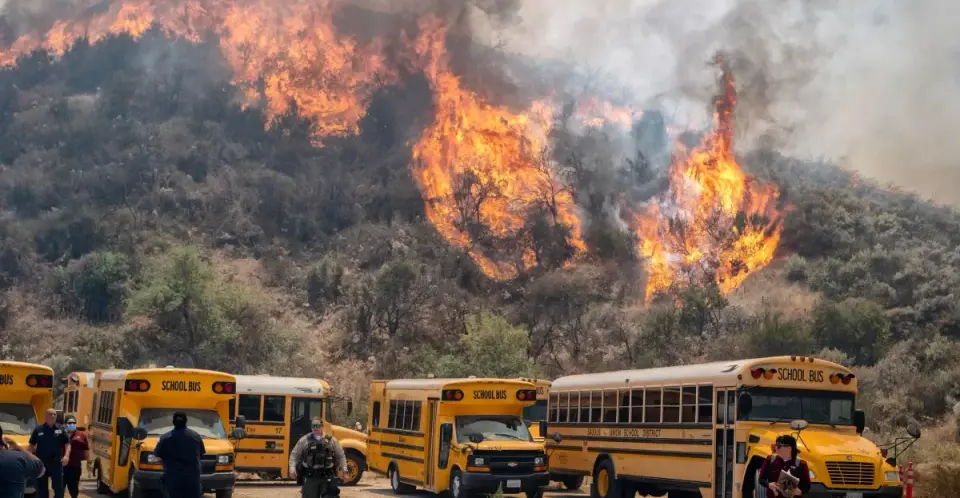
Wildfires are increasingly burning through urban and suburban areas, creating smoke with higher concentrations of toxic chemicals than traditional forest fires. New research shows that even small amounts of this smoke significantly increase hospitalization risks for heart and lung diseases, posing a growing public health threat across the US.
Key points
- The US wildland-urban interface has grown by 46% since 1990, exposing one-third of all homes to fire risk.
- Wildfire-specific PM2.5 is more toxic than traffic or industrial pollution, causing higher hospitalization rates for asthma and heart failure.
- A new $14 million NIH-funded study at UC Davis aims to understand the long-term biological effects of chronic smoke exposure.
- 2026 has already seen 8.5 million acres burned, surpassing previous records before winter dry seasons begin.
Background
This story builds on earlier coverage of the Spokane fires in August 2026, which highlighted how climate change is turning urban areas into conflagration zones. The 2025 Los Angeles fires, which displaced 205,000 people, served as a recent case study for the dangers of the expanding wildland-urban interface.
How outlets are covering it
Vox emphasizes the changing chemical composition of smoke due to burning plastics and metals in urban areas, citing expert Jackie Goodrich. Nature and Earth.com focus on the statistical disparity in hospitalization risks, noting that wildfire smoke is more harmful per microgram than other pollution sources. The Daily Democrat highlights the UC Davis WE-CAIR initiative, focusing on the biological mechanisms and epigenetic factors that make some individuals more susceptible to smoke-induced health decline.
Why it matters
As urbanization continues to encroach on fire-prone wildlands, the health risks of wildfire smoke are no longer limited to remote regions. The increased toxicity of urban fire smoke, combined with its ability to travel thousands of miles, means that air quality standards and public health strategies must evolve to account for these new, persistent dangers.
What to watch
The UC Davis WE-CAIR program will spend the next five years investigating immune and epigenetic pathways related to smoke exposure. Meanwhile, researchers are calling for federal air quality standards to include wildfire smoke in their calculations, as current regulations largely exempt it.
- The wildfire danger we’re only just beginning to understand vox.com
- Wildfire smoke: The health and environmental impacts Harvard T.H. Chan School of Public Health
- Cardiopulmonary hospitalization risks from wildfire-specific and non-wildfire PM Nature
- Wildfire smoke and traffic pollution look the same on air quality maps, but not in hospital data Earth.com
- As wildfire smoke exposure grows, UC Davis researchers seek answers Daily Democrat
Want the full story? Read the original reporting
Read on vox.com