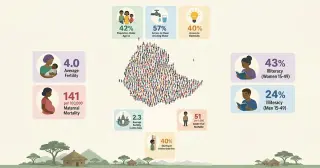
A new ESS survey reveals Ethiopia’s population is undergoing rapid change, with faster urbanization, a growing youth bulge, and shifting fertility patterns, signaling implications for education, jobs, and social services and underscoring the need for targeted policy planning to address regional disparities.
Researchers used dense, high-frequency satellite imagery from Landsat and Sentinel-2 to map an "urban pulse" in six cities—Dubai, Lagos, Mexico City, Mumbai, Seattle, and Shenzhen—revealing that urban growth occurs in spikes and asynchronous bursts rather than smoothly; the approach provides near-real-time insights for planners and shows how global shocks like COVID-19 affected cities differently.
A University of Exeter study of great bowerbirds in rural vs. urban Australia finds urban birds decorate bowers with far more human-made items, favoring green glass and red wire, while rural birds stick to natural materials. Urban bowers average about 90 decorations (vs. ~20 rural) and even include items like handcuffs and medicine jars, suggesting urbanization is reshaping courtship displays and potentially influencing female mate choice, though direct effects on mating success were not measured.
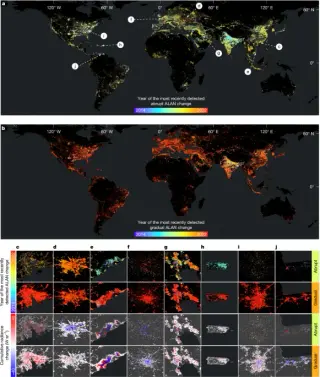
NASA’s satellite images reveal significant shifts in Earth's nighttime illumination, with rapid increases in lighting in growing urban centers across developing regions, signaling accelerating urbanization and energy use; the nighttime glow provides a new metric for tracking population trends and development over time.
NASA’s Black Marble/VIIRS data (2014–2022) show global nighttime radiance rising 34% but with bidirectional changes: some regions brighten while others dim due to urban growth, energy use, and policy shifts. In the US, the West Coast brightened while the East Coast dimmed from LED adoption and economic restructuring; Europe also dimmed notably during the 2022 energy crisis (Paris region ~33%, UK ~22%, Netherlands ~21%). NASA’s visualizations map these patterns, highlighting how human activity and policy shape the planet’s nocturnal landscape.
A global analysis using daily NASA Black Marble night-time lights and continuous change detection (2014–2022) shows that artificial illumination is highly volatile, with locations undergoing multiple abrupt or gradual changes. The study finds 2.05 million km2 of abrupt ALAN changes and 19.04 million km2 of gradual changes, totaling far more area affected by changes than previously thought. Net radiance rose about 16% since 2014, driven by brightening (34% of the 2014 baseline) that outpaced dimming (−18%). Regions experience both directions of change, driven by factors such as urban expansion, rural electrification, gas-flaring reductions, and energy access disruptions. Asia (notably China and India) accounts for the largest cumulative change, Europe shows pronounced dimming linked to regulations, and some regions (e.g., Venezuela) dim due to economic collapse. The work challenges the view that night-time lights only steadily intensify and highlights the need to consider bidirectional, high-frequency dynamics for policy, energy transitions, and ecological implications. Open datasets and code accompany the work for global ALAN change mapping and analysis.
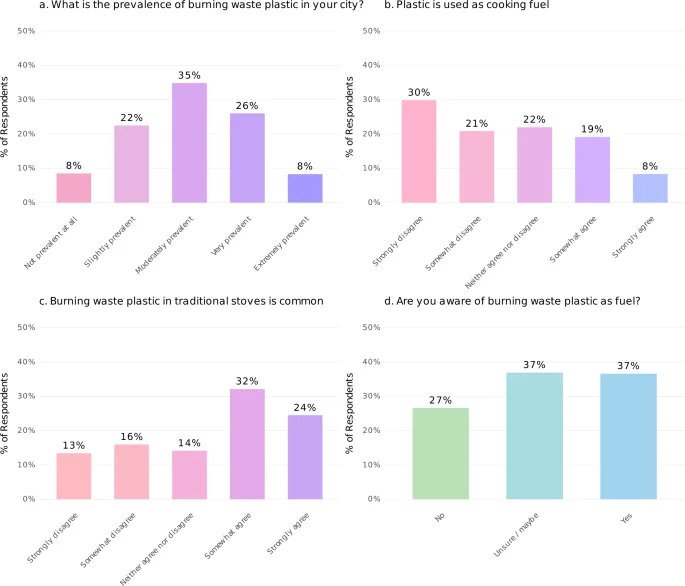
The article investigates the widespread practice of burning plastic waste as household fuel in low-income urban communities across the Global South, highlighting its prevalence, drivers such as inadequate waste management and energy poverty, and associated health and environmental risks, while emphasizing the need for improved waste systems and clean energy access to mitigate this issue.
Research in UK cities shows urbanization significantly reduces pollinator diversity, especially moths and hover flies, which are more sensitive than bees. To support these vital insects, gardeners are encouraged to create diverse habitats and collaborate with neighbors to form larger ecological networks, helping urban ecosystems thrive.
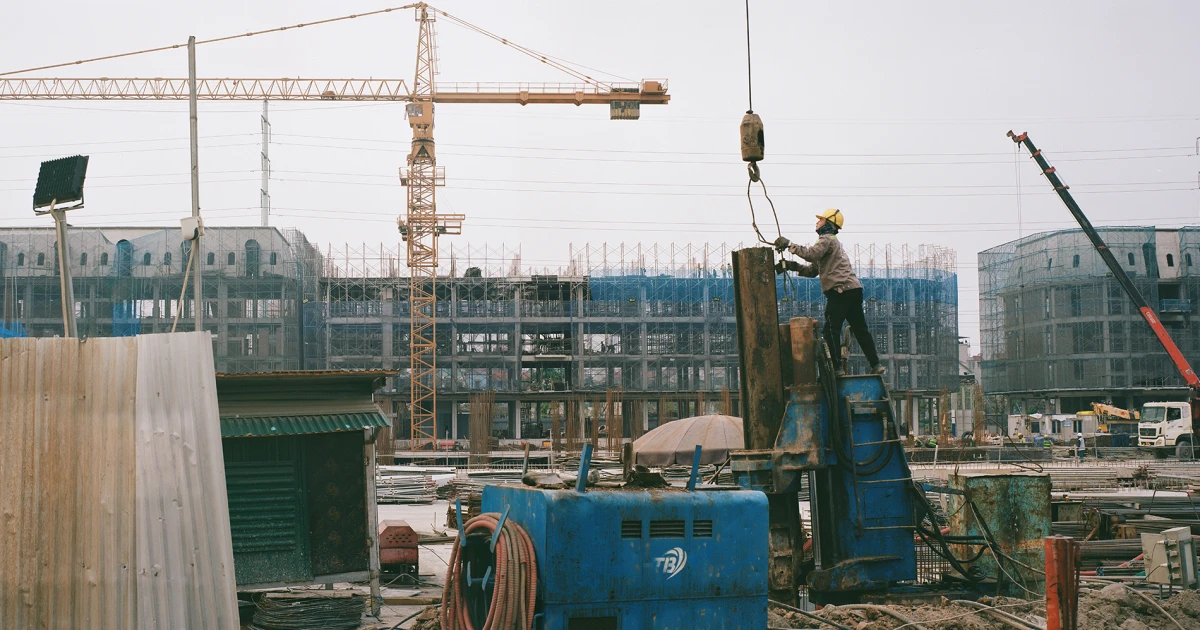
Hanoi, Vietnam's rapidly growing capital, has become the world's most polluted city due to intense urbanization, industrial activity, and construction, with air quality often reaching hazardous levels, primarily caused by vehicle emissions, cement production, and dust from construction zones, despite government efforts to implement stricter environmental policies.
A new study reveals that bedbugs diverged into two lineages thousands of years ago, with one adapting to humans as they moved into cities, leading to a significant rise in infestations, especially after pesticide resistance developed in recent decades.
Nagasaki, Japan, has been identified as the fastest-declining metro area in the world, with a population decrease of 3.43% from 2020 to 2024. This decline is attributed to factors such as industrial decline, low fertility rates, and an aging population. The global population trends indicate that while some regions are experiencing growth, others, particularly in Asia and Europe, are seeing declines due to various socio-economic factors.
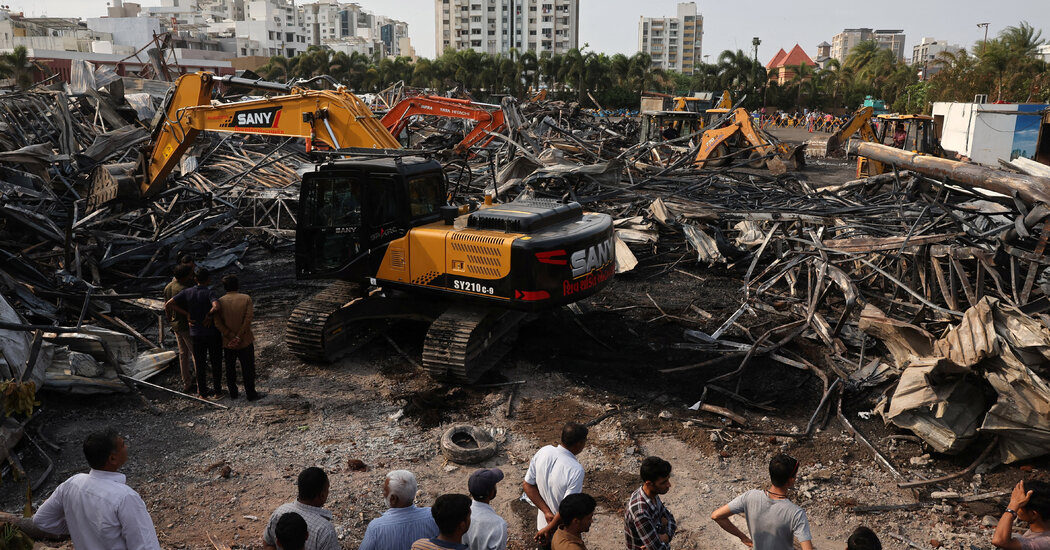
Two deadly fires in India, one in a New Delhi neonatal clinic and another in a Rajkot amusement park, have exposed significant gaps in the country's fire safety measures. The incidents, which claimed at least 34 lives, highlight systemic issues such as poor building safety compliance, inadequate fire services, and lack of enforcement of fire regulations. Despite political leaders' condolences and promises of inquiries, experts argue that meaningful systemic change remains elusive.
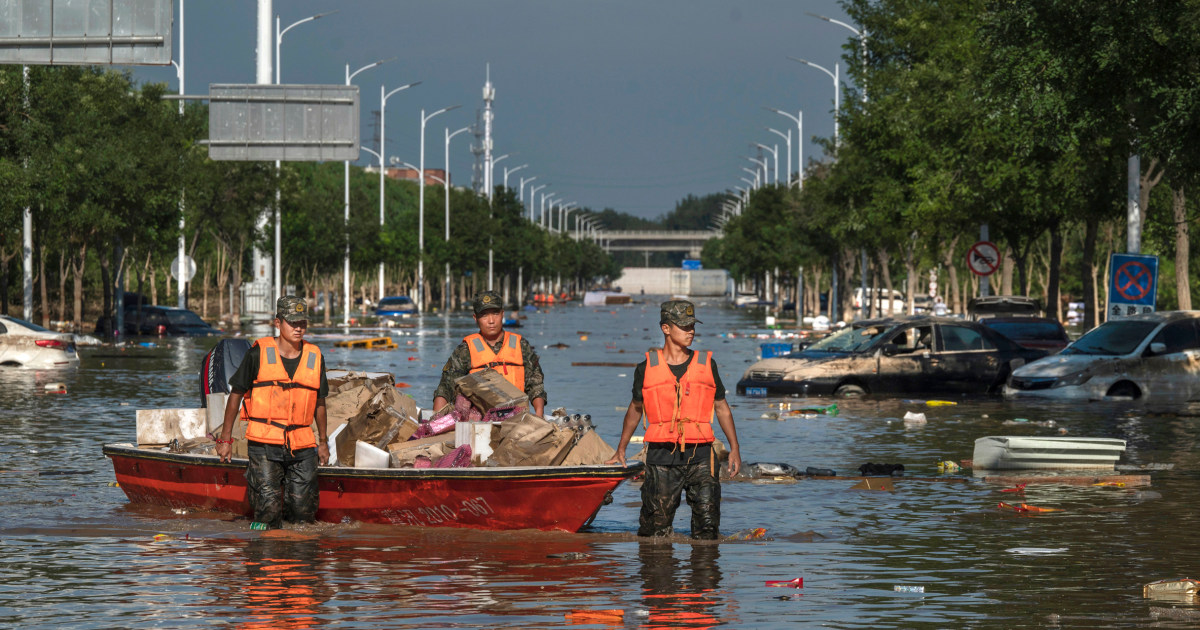
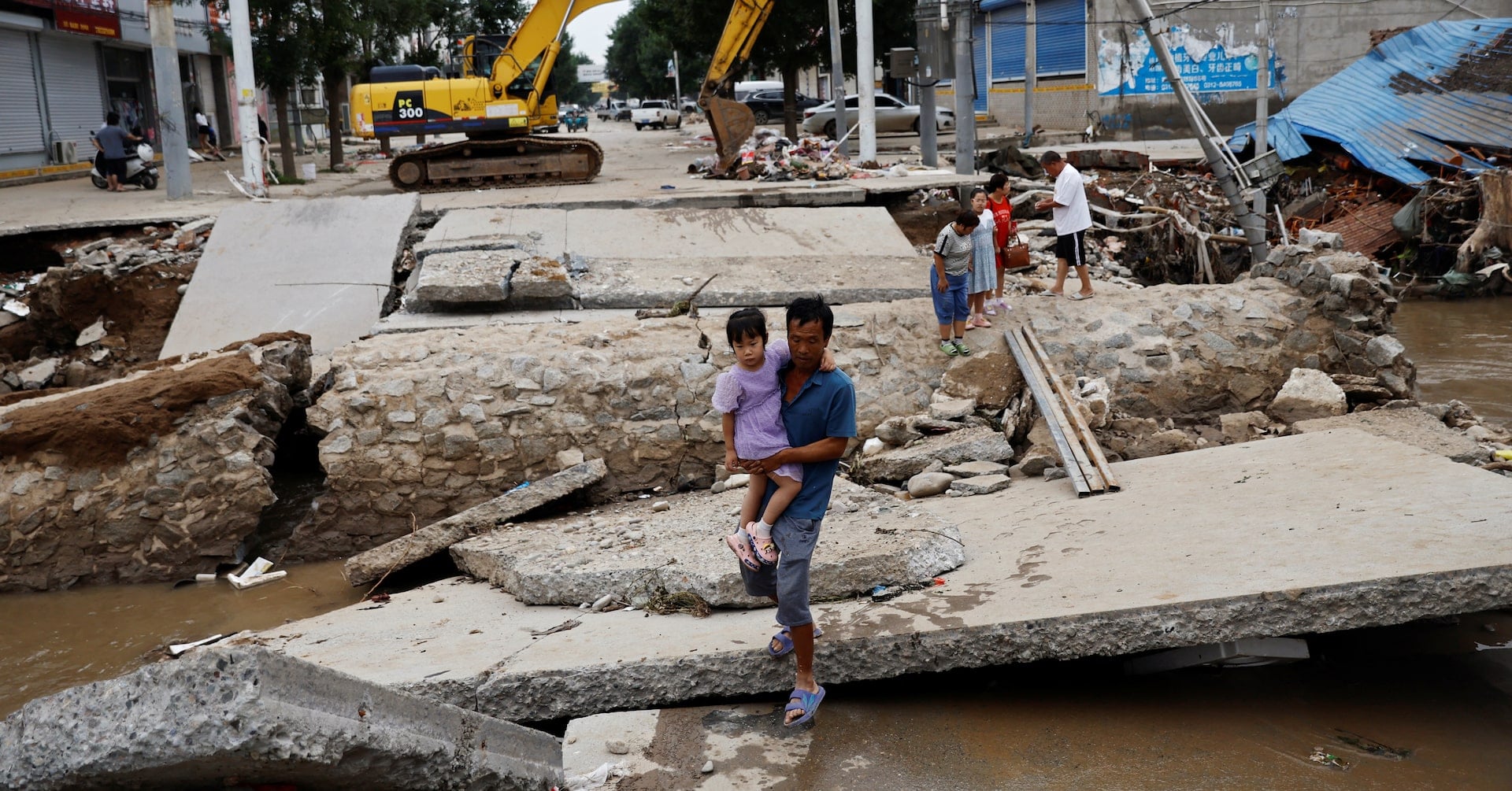
A study using nationwide satellite data found that nearly half of China's major cities are experiencing moderate to severe subsidence, with 16% of urban land sinking at more than 10 mm per year. This poses a significant risk of flooding, especially as sea levels rise, and could affect millions of people. The issue is driven by declining water tables and the weight of the built environment, costing China billions in annual losses. The problem is not limited to China, with other countries also at risk, and experts emphasize the need for both mitigation and adaptation measures to address this global challenge.
A study using nationwide satellite data has revealed that nearly half of China's major cities are experiencing "moderate to severe" levels of subsidence, with 16% of urban land sinking at a rate of more than 10 mm per year. This poses a significant risk of flooding, especially as sea levels continue to rise. The issue, driven by declining water tables and the weight of the built environment, is costing China billions in annual losses and could affect hundreds of millions of people within the next century. The problem is not unique to China, as other countries, including Indonesia, are also facing similar challenges. Mitigation and adaptation strategies, such as those implemented in Tokyo, will be crucial for addressing this widespread issue.
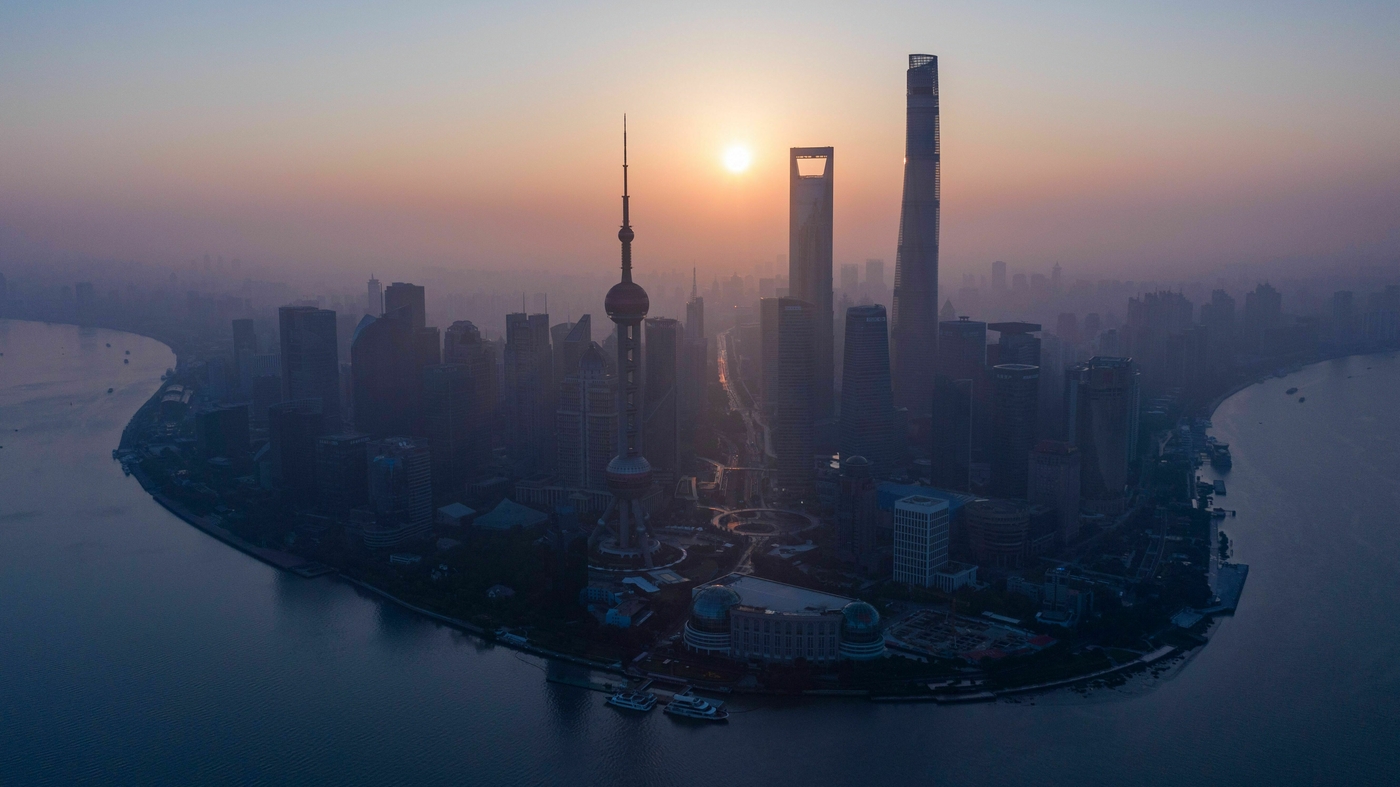
A new study reveals that nearly half of major cities in China are sinking, posing a significant threat to the urban population as subsidence exacerbates flooding related to sea level rise from climate change. With nearly one third of China's urban population residing in sinking areas, the risk to tens of millions of people is already apparent, and could grow to hundreds of millions if current trends persist. The study, conducted by over 50 Chinese scientists, highlights the urgent need for measures to prevent and reverse subsidence, such as regulating groundwater removal and making informed urban planning decisions.