
Cannabis Surges as Alcohol Substitute Amid Record US Drinking Decline
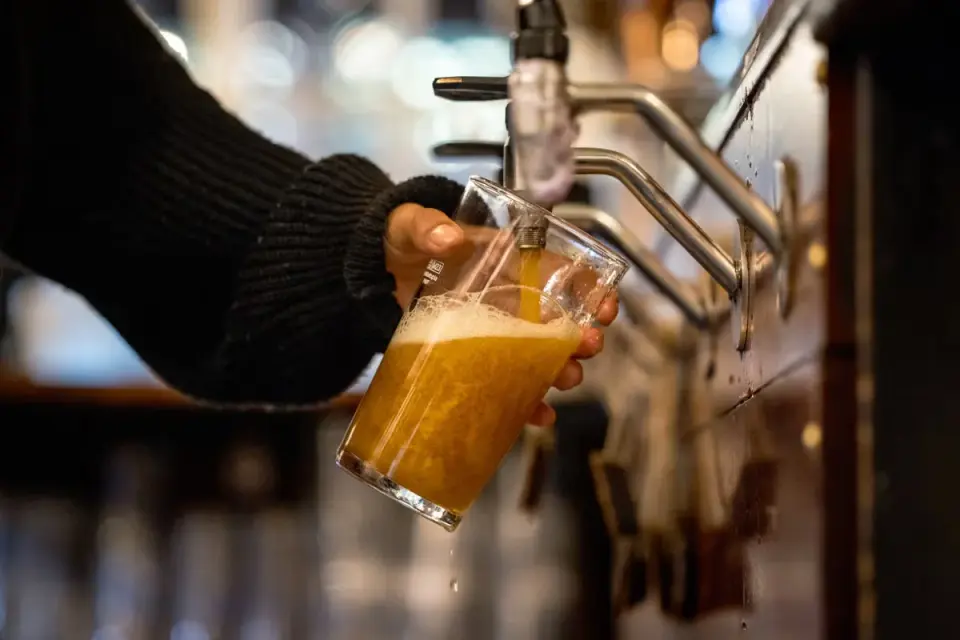
A new poll indicates that two-thirds of cannabis consumers in the US have reduced or eliminated their alcohol intake, with 31.5% fully replacing alcohol with cannabis. This trend coincides with 'Sober October' and a broader national decline in alcohol use, though older demographics show rising consumption. While The Independent highlights physiological benefits of cessation, Marijuana Moment emphasizes cannabis as a primary driver for this shift.
Key points
- 65.8% of cannabis consumers report that marijuana has helped them decrease or eliminate alcohol use, according to a NuggMD poll.
- 31.5% of respondents stated they have completely replaced alcohol with cannabis, while 25.8% reported a significant decrease in consumption.
- The Independent notes that stopping alcohol leads to improved sleep, lower blood pressure, and better blood sugar regulation, though withdrawal symptoms may occur initially.
- US alcohol consumption has hit record lows since 1939, driven by younger generations, but heavy drinking among adults aged 50-64 has surged, per Annals of Internal Medicine data.
- Cannabis-infused beverages are increasingly popular among Millennials and Gen Z, with one in three young professionals preferring THC drinks over alcohol for social events.
Background
Recent archive coverage from late September 2026 highlighted that US alcohol consumption has declined for the first time since the pandemic, reaching historic lows. However, this national trend masks a sharp increase in heavy drinking among adults aged 50 to 64. Additionally, earlier reports in October 2026 suggested that GLP-1 drugs like semaglutide may reduce heavy drinking days, though evidence on cravings remains mixed. The current surge in cannabis substitution aligns with these shifting public health dynamics.
How outlets are covering it
The Independent focuses on the physiological impacts of alcohol cessation, detailing benefits such as improved sleep and cardiovascular health, while acknowledging potential withdrawal symptoms. In contrast, Marijuana Moment emphasizes the role of cannabis as a direct substitute, citing poll data that 65.8% of cannabis users have reduced alcohol intake. The Fresh Toast questions whether cannabis qualifies under 'Sober October' guidelines, highlighting a debate on the definition of sobriety. Women's Health focuses on the 30-day timeline for bodily recovery, whereas archive data from The Independent and Annals of Internal Medicine provides the demographic context of declining youth drinking versus rising Gen X consumption. Outlets disagree on the primary driver of reduced drinking: The Independent attributes it to voluntary cessation, while Marijuana Moment attributes it to cannabis substitution.
Why it matters
The shift from alcohol to cannabis represents a significant cultural and health transition, potentially reducing alcohol-related harms such as liver disease and high blood pressure. However, the rise in heavy drinking among older adults and the debate over cannabis's role in sobriety highlight complex public health challenges. Understanding these trends is crucial for policymakers and health professionals aiming to address substance use disorders and promote healthier lifestyle choices.
What to watch
Expect continued growth in the cannabis-infused beverage market as younger generations prefer THC drinks over alcohol. Public health campaigns may increasingly focus on the benefits of alcohol cessation and the potential of cannabis as a substitute. Monitoring the health outcomes of older adults with rising heavy drinking will be critical, as will further research on the long-term effects of cannabis substitution on alcohol use disorders.
- Here’s what happens to your body when you stop drinking alcohol The Independent
- Sober October: Alcohol linked to 200-plus diseases, experts say Cleveland.com
- Marijuana Is Helping People To Completely Eliminate Or Reduce Their Alcohol Drinking, New Poll For Sober October Shows Marijuana Moment
- Is Sober October A Thing And Does Cannabis Count The Fresh Toast
- What Really Happens to Your Brain and Body When You Stop Drinking for 30 Days? Research Reveals the Answers Women's Health
Want the full story? Read the original reporting
Read on The Independent