
Minnesota medical leaders push to end non-medical vaccine exemptions amid measles surge
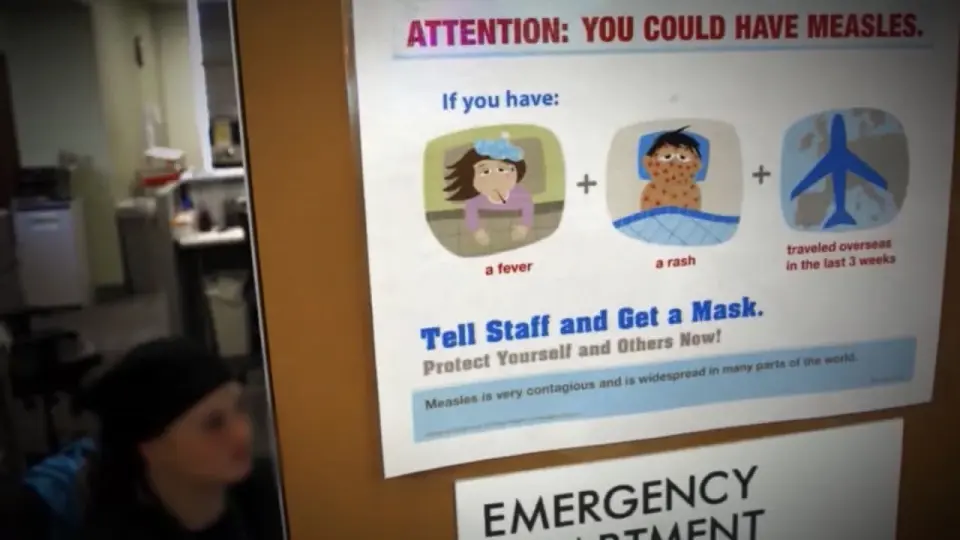
The Minnesota Medical Association is prioritizing the removal of non-medical vaccine exemptions during the upcoming legislative session, citing rising measles cases and declining kindergarten vaccination rates. While medical groups argue that herd immunity is essential to protect vulnerable populations, opponents maintain that personal choice and religious freedom should remain protected. With Democrats set to control the state government in 2027, advocates believe the bill has a stronger chance of passing.
Key points
- Non-medical exemption rates for kindergarten students in Minnesota have doubled since 2016, reaching nearly 7% in the 2025-2026 school year.
- The Minnesota Medical Association identifies removing non-medical exemptions as a top priority, specifically targeting the MMR vaccine to address rising measles cases.
- Proponents argue that eliminating non-medical exemptions is necessary to protect individuals who cannot be vaccinated due to medical conditions, such as compromised immune systems.
- Opponents, including parents and advocacy groups, argue that non-medical exemptions respect parental authority, religious freedom, and personal choice.
- The DFL party will control the Minnesota House, Senate, and Governor’s office starting in 2027, which bill author Sen. Liz Boldon believes will help pass the legislation.
Background
This debate follows a broader national trend where the US lost its measles elimination status, prompting states to scrutinize vaccination policies. In Minnesota, previous legislative attempts to remove non-medical exemptions faced opposition from parents who cited adverse reactions and personal beliefs. The current push coincides with the DFL party gaining a trifecta in state government, which may remove procedural barriers that previously stalled such measures.
Why it matters
The removal of non-medical exemptions could significantly impact public health infrastructure by increasing vaccination rates and reducing the risk of outbreaks. It also highlights the ongoing tension between individual rights and collective safety in public health policy, particularly as measles cases rise and vulnerable populations remain at risk.
What to watch
The bill is expected to be reintroduced in the 2027 legislative session, where it may face renewed debate. Advocates will likely push for its passage, while opponents may mobilize to defend non-medical exemptions. The outcome could set a precedent for other states considering similar measures.
Want the full story? Read the original reporting
Read on 5 EYEWITNESS NEWS