
Gulf Coast Vibrio vulnificus surge prompts urgent health warnings and amputation risks
Vibrio vulnificus, a flesh-eating bacterium, is causing a significant rise in severe infections and deaths across the US Gulf Coast this summer. While the bacteria are naturally present in warm, brackish waters, recent data from South Carolina, Mississippi, Florida, and Louisiana indicate a sharp increase in cases, with some resulting in limb amputations or fatalities. Health officials emphasize that the risk peaks in summer months and is exacerbated by open wounds or compromised immune systems. Immediate medical attention is critical for any skin infection following water exposure, as the infection can progress rapidly from a minor blister to a life-threatening condition requiring surgery.
Key points
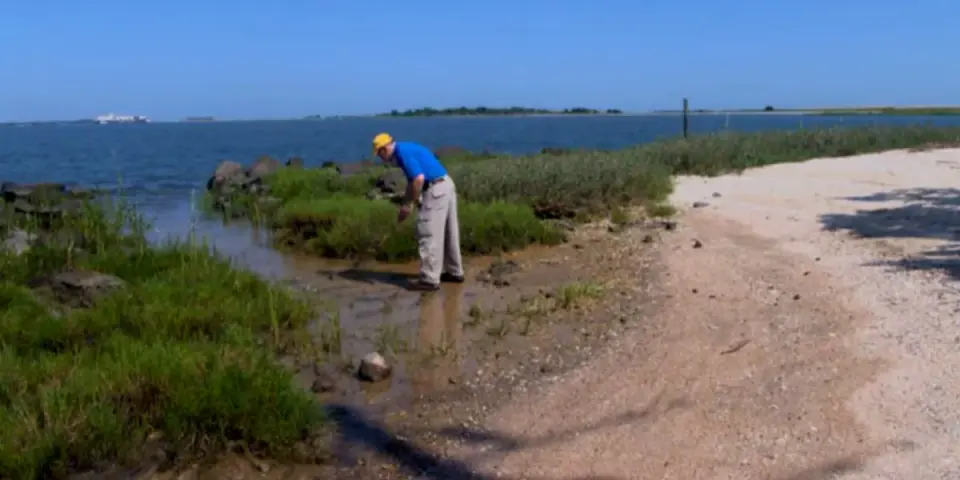
- South Carolina researchers confirm Vibrio vulnificus presence in Charleston Harbor, with colony counts peaking in summer months when water temperatures exceed 72 degrees Fahrenheit.
- Mississippi has recorded 29 Vibrio infections since August 7, including three cases of the severe Vibrio vulnificus strain, prompting a state health advisory for the Gulf Coast.
- Florida and Louisiana report significant case numbers and fatalities; Florida has 15 cases and two deaths, while Louisiana has 10 cases and five deaths, exceeding their historical averages.
- Medical experts warn that Vibrio vulnificus can cause rapid tissue destruction, potentially leading to amputation within 24 hours of infection, particularly in individuals with compromised immune systems.
- Prevention measures include avoiding raw shellfish, keeping open wounds out of brackish or saltwater, and seeking emergency care immediately for any skin infection following marine exposure.
Background
Vibrio vulnificus has been a recurring concern along the US Gulf Coast, with previous coverage highlighting rising case numbers in Louisiana and Florida. Earlier reports noted that the bacterium, which thrives in warm coastal waters, poses a severe threat to individuals with underlying health conditions such as liver disease, diabetes, or immune suppression. The current surge in cases across multiple states aligns with seasonal patterns observed in previous years, where infections peak between May and October due to higher water temperatures. Recent cases in Florida have also highlighted the long-term impact of the infection, with some patients requiring amputations or facing chronic pain and quality-of-life challenges.
How outlets are covering it
While all sources agree on the severity and rapid progression of Vibrio vulnificus, they differ in their emphasis and scope. Live5News focuses on the local presence of the bacteria in Charleston Harbor, South Carolina, and the specific warnings from local doctors and researchers. Mississippi Free Press highlights the state-level advisory and the broader public health response, including the lack of daily monitoring for Vibrio in coastal waters. KKTV and ABC News provide a national perspective, detailing the case numbers and fatalities in Florida and Louisiana, and emphasizing the personal stories of survivors like Genevieve Gallagher. The CDC and medical experts across all sources consistently stress the importance of immediate medical attention and prevention measures, but the local outlets (Live5News, Mississippi Free Press) focus more on regional risks and specific water conditions, while the national outlets (KKTV, ABC News) provide a broader overview of the impact across the Gulf Coast.
Why it matters
The rise in Vibrio vulnificus cases underscores the critical need for public awareness and rapid medical response, especially in coastal regions where the bacteria are naturally present. The high fatality rate and potential for limb amputation make this a significant public health concern, particularly for individuals with compromised immune systems. The data from multiple states highlights the need for improved monitoring and public education to prevent infections and reduce the burden on healthcare systems. As summer temperatures continue to rise, the risk of Vibrio infections is expected to increase, making it essential for residents and visitors to coastal areas to take preventive measures and seek immediate medical care for any skin infections following water exposure.
What to watch
Health officials in affected states are expected to continue issuing advisories and monitoring water conditions to track Vibrio vulnificus presence. Public health campaigns will likely focus on educating residents and visitors about the risks and prevention measures, particularly during the peak summer months. Researchers may continue to study the bacteria's behavior in different water conditions to better predict and prevent infections. Additionally, there may be increased calls for improved monitoring and early warning systems to help identify and mitigate the risks associated with Vibrio vulnificus in coastal areas.
- ‘Vibrio vulnificus is in Charleston Harbor’: Charleston researchers track bacteria, what doctors warn Live 5 News
- Mississippi Issues Advisory After ‘Flesh-Eating’ Bacteria Infections Reported on Gulf Coast Mississippi Free Press
- Dad Who Nearly Died After Being Infected by Flesh-Eating Bacteria Is Relieved to Amputate Leg 1 Year Later People.com
- Woman who lost part of leg to flesh-eating bacteria warns others as more cases are reported KKTV
- What to know about 'flesh-eating' Vibrio vulnificus bacteria after infections reported in Florida, Louisiana ABC News - Breaking News, Latest News and Videos
Want the full story? Read the original reporting
Read on Live 5 News