
Durham nonprofit water feature identified as likely source of fatal amoeba infection
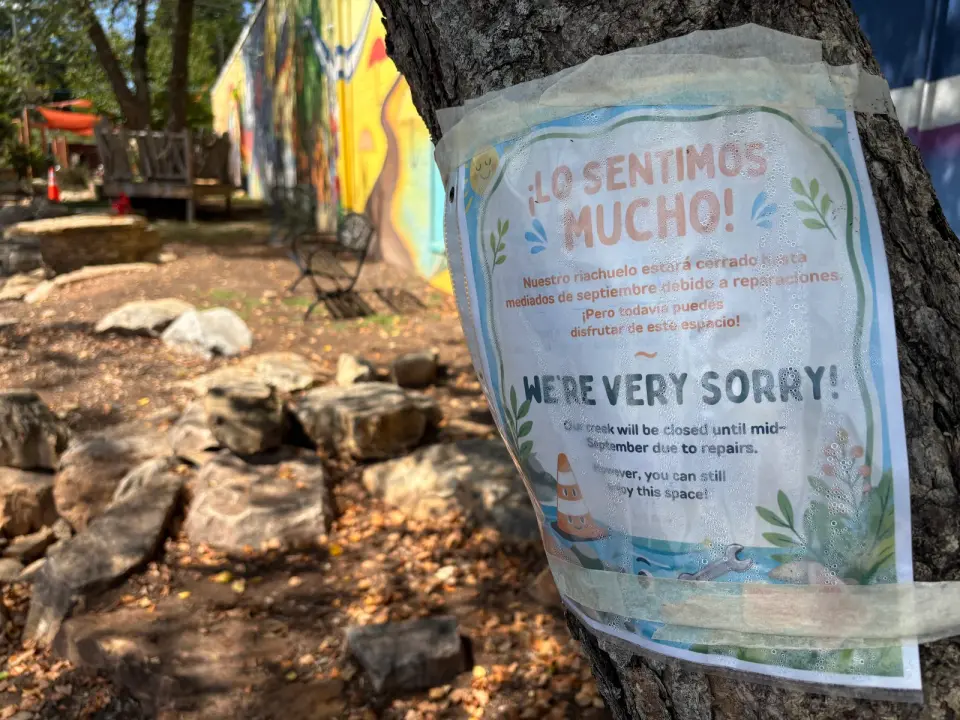
North Carolina health officials have identified a water feature at El Futuro, a nonprofit mental health organization in Durham, as the most likely source of a fatal Naegleria fowleri infection that killed a local teenager on August 31, 2026. The state Department of Health and Human Services (NCDHHS) confirmed that testing found the 'brain-eating' amoeba in the facility's outdoor green space, which was closed for CDC testing on August 28. While the teen’s name has not been released, investigators believe the victim splashed water on their face at the site during the exposure period. El Futuro, which supports Latino families, issued a statement expressing grief and confirming full cooperation with public health officials. The infection, which enters the body through the nose, is extremely rare but nearly always fatal, with only 167 cases reported in the U.S. between 1962 and 2024.
Key points
- NCDHHS identified a water feature at El Futuro in Durham as the 'most likely source' of the infection, though they could not conclusively determine the exact point of exposure.
- The teen, whose identity remains private, died on August 31, 2026, after contracting Naegleria fowleri, a microscopic organism that causes severe brain inflammation.
- Durham County health officials closed the water feature on August 28 after initial testing detected the amoeba; 'Keep Out' signs and traffic cones were later observed at the site.
- El Futuro, a nonprofit mental health clinic on Chapel Hill Road, confirmed the closure and stated they are committed to supporting the victim's family and cooperating with investigators.
- NCDHHS emphasized that Naegleria fowleri infections are rare, with only 167 cases recorded nationwide from 1962 to 2024, and advised the public to prevent water from entering the nose in warm freshwater.
Background
This development follows a series of reports in late August and early September 2026 regarding a critically ill teenager in central North Carolina. Initial coverage on August 28 and 31 noted the rapid progression of the illness, which typically kills within five days of symptom onset. Earlier reports highlighted the rarity of the disease, with fewer than 10 cases diagnosed annually in the U.S., and noted that a GoFundMe campaign was established to help the family with medical expenses. The current update provides the specific location of the exposure, which had previously been under investigation by NCDHHS and the CDC.
How outlets are covering it
WRAL.com and WECT.com both report that NCDHHS has narrowed the source to a water feature at El Futuro, emphasizing that while the exact exposure point is not confirmed, the evidence strongly points to this location. WRAL highlights the specific action of the teen splashing water on their face, while WECT focuses on the safety measures recommended by NCDHHS, such as avoiding nose-dipping in warm water. V 101.9 WBAV, reporting earlier on September 14, noted that the source was still under investigation and highlighted the community support via a GoFundMe that had raised over $14,250 by September 11. The outlets differ in their level of detail regarding the specific location, with WRAL and WECT providing the name of the organization and the specific date of the closure, whereas V 101.9 focused on the broader context of the disease's fatality rate and the family's financial needs.
Why it matters
This case underscores the critical importance of public health surveillance in identifying rare but deadly pathogens in community spaces. The identification of a specific water feature at a mental health clinic highlights the need for regular testing of outdoor amenities, particularly during warm months when Naegleria fowleri thrives. It also serves as a reminder of the severe risks associated with warm freshwater exposure and the importance of adhering to safety guidelines to prevent nasal entry of contaminated water.
What to watch
Public health officials will continue to monitor the situation and may issue further guidance on water safety. El Futuro is expected to continue cooperating with NCDHHS and Durham County Public Health as they investigate the incident. The community may see continued support for the victim's family through the ongoing GoFundMe campaign. NCDHHS may release additional details on the specific type of water feature involved and further recommendations for public safety.
- Investigation: Durham water feature likely source of teen’s deadly ‘brain-eating’ amoeba infection WRAL
- Durham site tied to deadly ‘brain-eating’ amoeba case, NCDHHS says wect.com
- Teen Dies From Brain-Eating Amoeba in Central North Carolina V 101.9 Charlotte
- Durham water feature ‘most likely source’ of brain infection-causing amoeba that killed teen, NCDHHS says FOX8 WGHP
- North Carolina teen dies of brain-eating amoeba infection WDHN
Want the full story? Read the original reporting
Read on WRAL