
Vibrio vulnificus claims one life in South Carolina as coastal cases rise
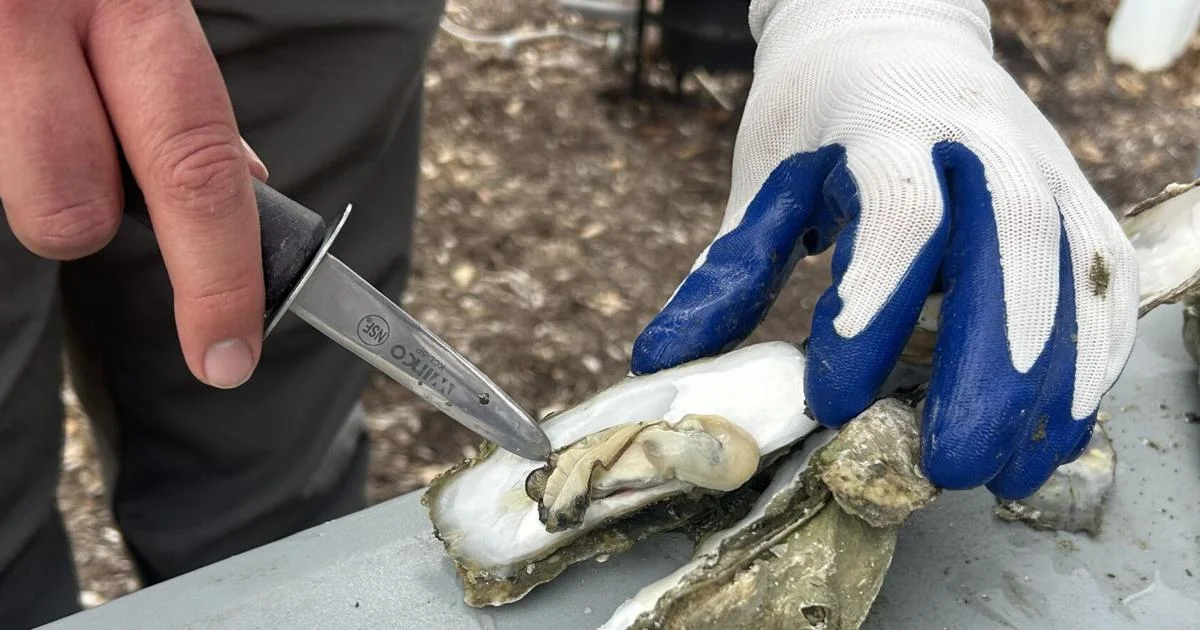
South Carolina has recorded one death and three illnesses from Vibrio vulnificus, a rare but deadly 'flesh-eating' bacterium, as the state enters peak oyster season. While health officials urge caution regarding raw seafood and open wounds in brackish water, they emphasize that the overall risk remains low for the general population.
Key points
- One death and two additional illnesses have been linked to Vibrio vulnificus in South Carolina this year, with cases reported in the Lowcountry and Upstate regions.
- The bacterium thrives in warm, brackish waters and is typically contracted through consuming raw or undercooked shellfish, particularly oysters, or through open wounds exposed to contaminated coastal water.
- Vibrio vulnificus infections are rare, with 100 to 200 cases reported nationally annually, but carry a high mortality rate of approximately 20% for those infected.
- Health officials advise cooking seafood thoroughly and avoiding water contact with open wounds, while noting that the risk for healthy individuals is very low.
- The slight increase in cases aligns with the start of the oyster harvesting season, which begins in October, though the bacteria is most prevalent between May and October.
Background
Recent coverage has highlighted the dangers of Vibrio vulnificus, including a Florida resident's death linked to oyster consumption and an Idaho father's severe infection requiring multiple surgeries. These incidents underscore the bacterium's potential for severe tissue damage and the importance of prompt medical attention.
How outlets are covering it
The Post and Courier and the Hilton Head Island Packet emphasize the local impact in South Carolina, noting specific cases in the Lowcountry and Upstate, while urging the public not to panic. USA Today provides a broader national context, detailing deaths in Florida and Louisiana and highlighting the role of severe weather in spreading the bacteria. The University of Florida focuses on the environmental factors, such as elevated sea temperatures and nutrient runoff, that contribute to the proliferation of Vibrio species in coastal waters.
Why it matters
Understanding the risks associated with Vibrio vulnificus is crucial for residents and visitors in coastal areas, especially during peak oyster season. Awareness of the symptoms and preventive measures can help reduce the risk of severe infections and fatalities.
What to watch
Health officials will continue to monitor cases and provide updates as the oyster season progresses. Public health campaigns may focus on educating the public about safe seafood consumption and wound care in coastal environments.
- Deadly bacteria in seafood kills 1 in SC, sickens others. But don’t panic yet, health officials say. Post and Courier
- Fourth person dead from ‘flesh-eating’ bacteria linked to eating raw oysters Yahoo
- Rare 'flesh-eating' bacteria causes 9 deaths this season. See where USA Today
- Rare, deadly bacteria found in SC coastal waters. Here’s what we know Hilton Head Island Packet
- Tampa Bay Times: As coastal waters warm, expect more flesh-eating bacteria University of Florida
Want the full story? Read the original reporting
Read on Post and Courier