
Richmond doctor’s viral bat encounter highlights rabies risks in sleep
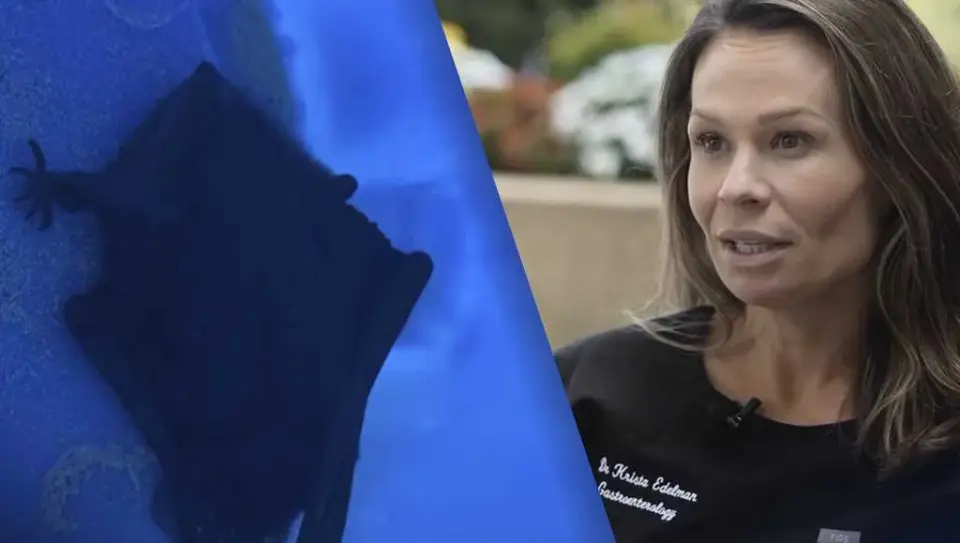
Dr. Krista Edelman, a Richmond gastroenterologist, woke at 6 a.m. on Aug. 20 to find a bat attempting to enter her mouth. She trapped the animal for testing and sought emergency care due to the high risk of exposure near mucous membranes. Although the bat tested negative for rabies, Edelman began a vaccine series. Her story went viral, prompting health officials to urge the public to treat any bat presence in a sleeping area as a potential exposure, even without visible bite marks.
Key points
- Dr. Krista Edelman, a gastroenterologist in Richmond, Va., woke on Aug. 20 to a bat in her mouth, initially mistaking it for a mouse in a dream.
- Edelman and her husband trapped the bat using a bucket and gloves; she then consulted an infectious disease specialist and went to St. Mary’s Hospital.
- Dr. Adam Landsee, ER assistant medical director, noted that exposure near the brain accelerates rabies transmission risk, necessitating treatment even without visible wounds.
- The bat tested negative for rabies, allowing Edelman to stop the vaccine series after two doses; however, she had already started the protocol.
- Virginia Department of Health veterinarian Dr. Julia Murphy noted increased bat submissions this year but no rise in positive rabies cases, attributing the trend to greater public awareness.
- Edelman’s Instagram post received over 45,000 shares, emphasizing the need to contact health authorities immediately after any bat contact, as testing takes about 48 hours.
Background
This incident follows a pattern of increased public attention to rabies risks associated with bats, particularly in older homes. Previous coverage from our archive highlighted similar concerns about wildlife entering sleeping areas, emphasizing that rabies is fatal once symptoms appear and that prompt medical intervention is critical. The CDC has long advised that bat bites can be too small to detect, making any unexplained bat presence in a bedroom a serious medical concern.
How outlets are covering it
WTVR and WESH focused on the dramatic nature of the encounter and the immediate medical response, highlighting Edelman’s initial confusion and the urgency of the ER visit. WWBT provided detailed logistical steps, such as using snow mittens and a bucket to trap the bat, and noted that Edelman continued working before seeking treatment. USA Today emphasized the broader public health implications, citing a 2024 Canadian case where a child died from rabies after a bat contact without visible bites. All outlets agreed on the necessity of testing and treatment, but differed in emphasis: local stations focused on the personal story and viral impact, while USA Today stressed the fatal consequences of delayed action.
Why it matters
This case underscores the critical importance of treating any bat encounter in a sleeping area as a potential rabies exposure, regardless of visible injuries. With rabies being nearly always fatal once symptoms develop, prompt medical consultation and testing are essential. The viral nature of Edelman’s story has amplified public awareness, potentially reducing the risk of delayed treatment in similar future incidents.
What to watch
Health officials in Virginia are expected to continue monitoring bat encounter reports and rabies testing results. Public health campaigns may increase to educate residents on proper bat handling and the importance of contacting animal control or health departments immediately. Edelman may continue to share medical advice on social media, while local authorities could update safety guidelines for older homes to prevent wildlife entry.
- Woman wakes up to bat trying to crawl into her mouth: 'I was screaming repeatedly' WESH
- Richmond doctor wakes up to bat in her mouth, warns others on wildlife safety WWBT
- 'There's a bat in my mouth’: Virginia doctor's bat nightmare goes viral WRAL
- Doctor wakes up to bat in her mouth: 'I thought I was still dreaming' USA Today
- Woman's Bat 'Kiss' | Guillotine Found In Truck | Ghostface On The Loose: VA Top News Patch
Want the full story? Read the original reporting
Read on WESH