
Guernsey Charity Launches Alcohol Scorecard for Residents
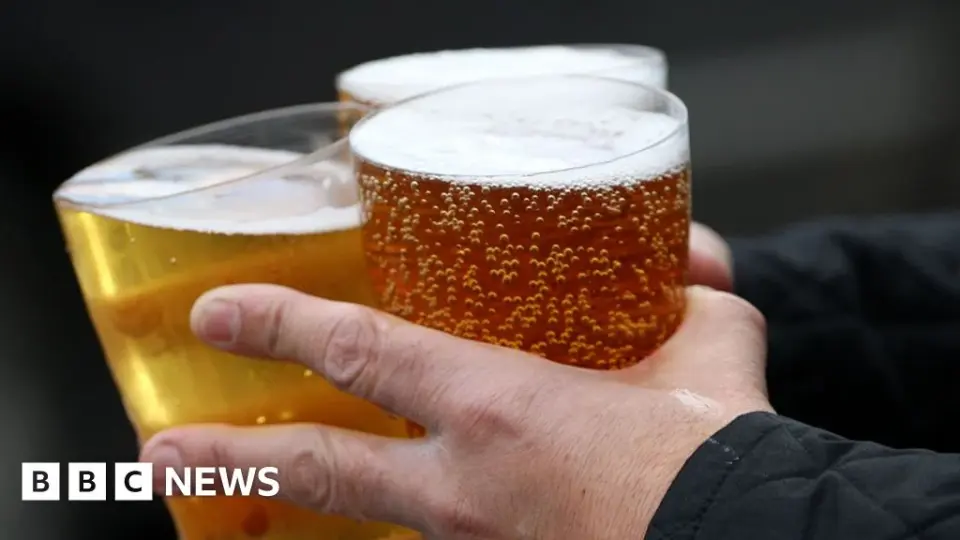
A Guernsey-based charity has introduced a new scorecard system to help residents assess their alcohol consumption levels. The initiative aims to provide clear, personalized feedback on drinking habits to promote public health awareness. This development follows broader UK discussions on the health impacts of different alcohol types.
Key points
- A charity in Guernsey has launched a scorecard tool for residents to evaluate their alcohol intake.
- The scorecard is designed to offer individualized feedback on consumption levels.
- The initiative seeks to improve public health outcomes by encouraging mindful drinking.
- This move aligns with recent UK studies highlighting varying health risks associated with different alcoholic beverages.
Background
Recent UK research, including a large study of over 340,000 participants, indicated that low to moderate wine consumption was associated with lower mortality risks, while beer and spirits were linked to higher risks. High overall alcohol consumption was found to increase all-cause mortality by 24%. These findings underscore the importance of understanding how different types and amounts of alcohol affect health, providing a backdrop for new public health initiatives like the Guernsey scorecard.
Why it matters
The introduction of a personalized alcohol scorecard in Guernsey represents a proactive step in public health education. By providing residents with concrete feedback on their consumption, the charity aims to empower individuals to make informed decisions about their drinking habits. This approach complements broader UK efforts to address alcohol-related health issues and could serve as a model for other regions seeking to reduce the burden of alcohol-related diseases.
What to watch
The charity may expand the scorecard program to other regions or integrate it with additional health resources. Future developments could include partnerships with local health services to provide support for residents who receive high-risk scores. Additionally, the charity might explore digital tools to enhance the accessibility and usability of the scorecard for a wider audience.
Want the full story? Read the original reporting
Read on BBC