
Prenatal Sterol-Pathway Drugs Linked to Higher Autism Risk, Large U.S. Study Finds
TL;DR
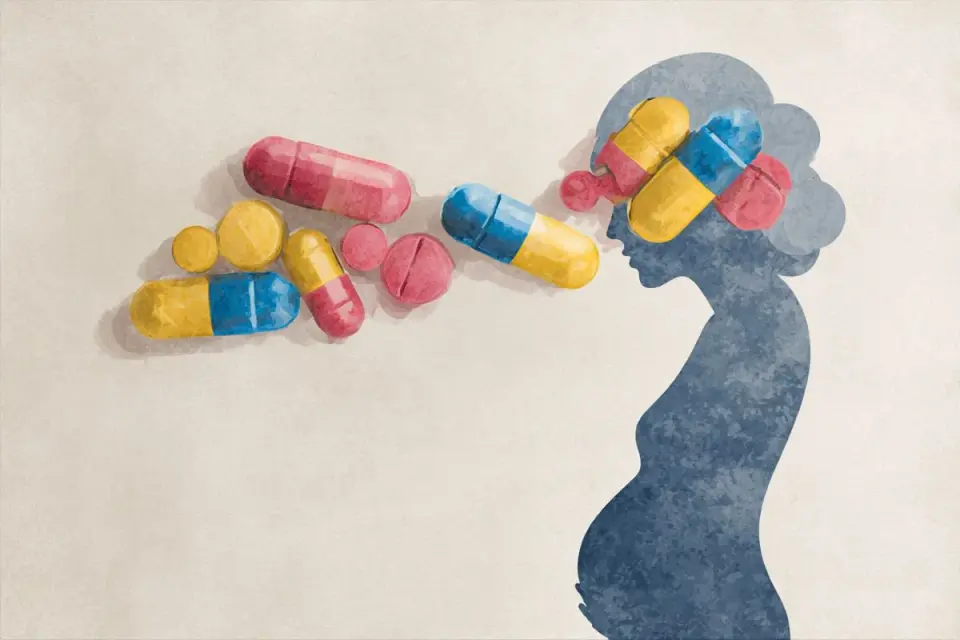
A nationwide analysis of 6.14 million births found that prenatal exposure to sterol biosynthesis–inhibiting medications (SBIMs) is linked to a higher autism risk: 1.47× with at least one SBIM, and a 1.33× increase for each additional SBIM, reaching 2.33× when four or more are used. SBIM exposure rose from 4.3% of pregnancies in 2014 to 16.8% in 2023. The authors emphasize caution in prescribing during pregnancy and the need for safer alternatives, while noting these drugs remain essential for many adults.
Topics:healthhealth-science#autism#epidemiology#health-science#prenatal-exposure#prescribing-practices#sterol-biosynthesis
- Study Links Sterol-Inhibiting Drugs to Autism Risk Neuroscience News
- Study suggests link between prenatal exposure to certain medications and increased autism risk University of Nebraska Medical Center
- Sterol pathway disruption in pregnancy: a link to autism - Molecular Psychiatry Nature
- Certain Prenatal Medications Can Increase The Risk Of Autism, Finds New Study NDTV
- Common Prescription Drugs May Disrupt Cholesterol Pathways in the Womb and Raise Autism Risk ScienceBlog.com
Want the full story? Read the original reporting
Read on Neuroscience News