

Tag

Sterol Biosynthesis

All articles tagged with #sterol biosynthesis

Sterol-Pathway Meds in Pregnancy Tied to Higher Autism Risk, Large U.S. Study Finds
science2 months ago

Sterol-Pathway Meds in Pregnancy Tied to Higher Autism Risk, Large U.S. Study Finds

A national study of 6.14 million U.S. births links prenatal exposure to sterol biosynthesis‑inhibiting medications (SBIMs)—a class including certain antidepressants, antipsychotics, beta-blockers, and statins—with increased autism risk in children. Any SBIM exposure raised ASD risk about 1.47-fold, increasing to 2.33-fold for four or more SBIMs used concurrently. SBIM exposure grew from 4.6% of pregnancies in 2014 to 16.8% in 2023. The researchers stress cautious prescribing during pregnancy, the need for safer options when possible, and further research into the mechanisms, noting many SBIMs are medically necessary.

Prenatal Sterol-Pathway Drugs Linked to Higher Autism Risk, Large U.S. Study Finds
health-science2 months ago

Prenatal Sterol-Pathway Drugs Linked to Higher Autism Risk, Large U.S. Study Finds

A nationwide analysis of 6.14 million births found that prenatal exposure to sterol biosynthesis–inhibiting medications (SBIMs) is linked to a higher autism risk: 1.47× with at least one SBIM, and a 1.33× increase for each additional SBIM, reaching 2.33× when four or more are used. SBIM exposure rose from 4.3% of pregnancies in 2014 to 16.8% in 2023. The authors emphasize caution in prescribing during pregnancy and the need for safer alternatives, while noting these drugs remain essential for many adults.

"Proposing a Paradigm Shift in Enzyme Biochemistry: A Researcher's Perspective"
science2 years ago

"Proposing a Paradigm Shift in Enzyme Biochemistry: A Researcher's Perspective"

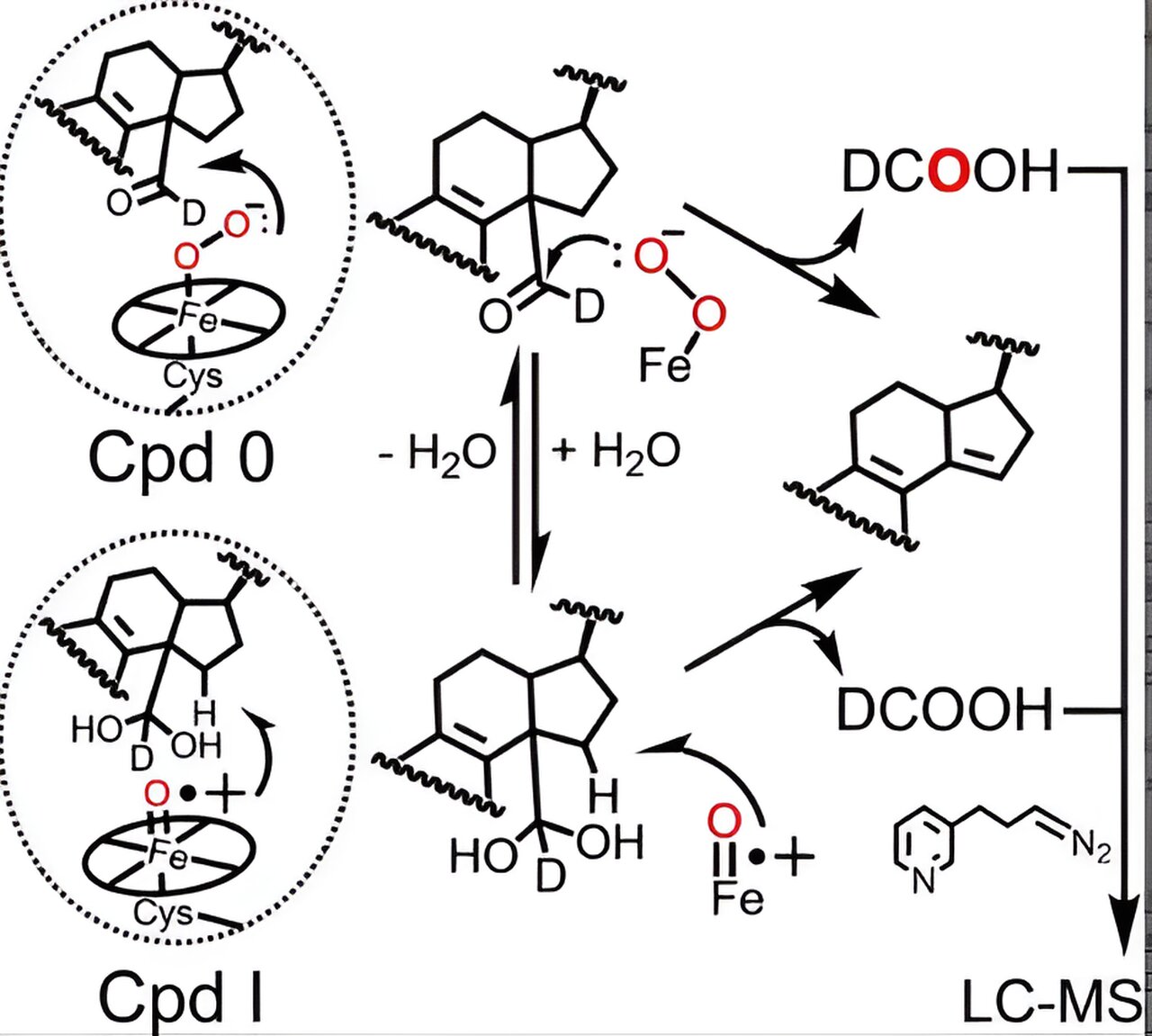
Researchers at Vanderbilt University propose a paradigm shift in enzyme biochemistry by uncovering the mechanism used by cytochrome P450 51 to catalyze the critical final step in sterol biosynthesis. Their study, published in Angewandte Chemie, suggests that both Compound 0 and Compound I play active roles in the process, with Compound 0 being the major heme species responsible for the reaction. The findings provide a deeper understanding of P450 51 function in humans and various pathogens, offering potential insights for the development of P450 51-targeted drugs, particularly in the context of antifungal resistance and the need for novel treatments.