
Meta-Analysis Links Severe Sunburns to Higher Skin Cancer Odds
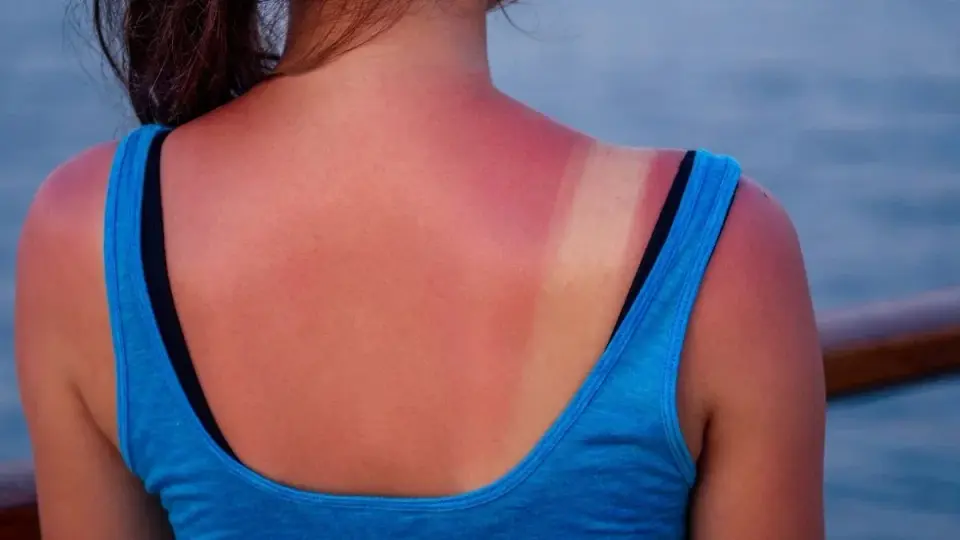
A 2025 meta-analysis in JAMA Dermatology indicates that severe sunburns significantly increase the risk of cutaneous squamous cell carcinoma. Data from over 321,000 people show that medium-frequency severe burns raise odds by 51%, while high-frequency burns raise them by 69%. Childhood burns are particularly impactful, potentially tripling risk. Experts emphasize that DNA damage from UV radiation persists long after the skin heals, making early prevention critical.
Key points
- The study pooled data from 17 studies involving 321,000+ individuals.
- Medium-frequency severe sunburns are linked to a 51% higher risk of cSCC.
- High-frequency severe sunburns are linked to a 69% higher risk of cSCC.
- Childhood severe sunburns can increase cSCC odds by up to three times.
- DNA damage from UV radiation can persist and accumulate mutations over time.
Background
Previous research has established links between sunburns and other skin cancers like melanoma and basal cell carcinoma. This new analysis specifically isolates the impact of severe, blistering sunburns on cutaneous squamous cell carcinoma (cSCC), a common form of skin cancer. It builds on earlier findings that UV exposure is a primary carcinogen, while acknowledging that factors like genetics and lifestyle also play roles.
How outlets are covering it
ScienceAlert highlights the statistical findings from the meta-analysis, noting the specific percentage increases in risk associated with sunburn frequency. It also mentions the challenge of disentangling sunburn effects from chronic UV exposure. The University of Rochester focuses on the biological mechanism, explaining how UV radiation damages DNA and how repair errors can lead to cancer. They emphasize the vulnerability of children due to skin biology and inconsistent sun protection. Both sources agree on the importance of prevention but differ in emphasis: ScienceAlert focuses on the epidemiological data, while the University of Rochester provides practical advice and expert commentary on the biological impact.
Why it matters
Understanding the long-term health consequences of sunburns can motivate individuals to adopt better sun protection habits, especially for children and teens. The findings underscore that even a single severe sunburn can have lasting effects, making prevention a critical public health issue. This knowledge can help reduce the incidence of skin cancer and improve overall health outcomes.
What to watch
Public health campaigns may use these findings to reinforce the importance of sun protection, particularly for children. Dermatologists may recommend more frequent skin checks for individuals with a history of severe sunburns. Further research may explore the specific mechanisms by which sunburns contribute to skin cancer and develop targeted prevention strategies.
- Just One Intense Sunburn Can Change Your Health Forever, Research Shows ScienceAlert
- The sunburn your child won’t forget Baylor College of Medicine Blog Network -
- How 1 sunburn can be ‘life-changing’ Futurity
- Sunburn must be taken seriously as it can lead to skin damage, even cancer thestar.com.my
- Can One Severe Sunburn Increase Your Cancer Risk? University of Rochester
Want the full story? Read the original reporting
Read on ScienceAlert