Tag

Uv Radiation

All articles tagged with #uv radiation

Athens embraces sun-smart styling as heatwaves heighten UV awareness
world2 days ago

Athens embraces sun-smart styling as heatwaves heighten UV awareness

European heatwaves have heightened awareness of ultraviolet radiation; in Athens, tourists increasingly wear hats, sunglasses, and umbrellas and use sunscreen, with Red Cross volunteers noting fewer hats distributed as visitors adopt protective measures. Greece’s record tourism (38 million visitors last year) comes despite the third-hottest summer on record, underscoring a growing focus on sun safety among travelers.

A Single Severe Sunburn in Youth Linked to Higher Skin Cancer Risk
health8 days ago

A Single Severe Sunburn in Youth Linked to Higher Skin Cancer Risk

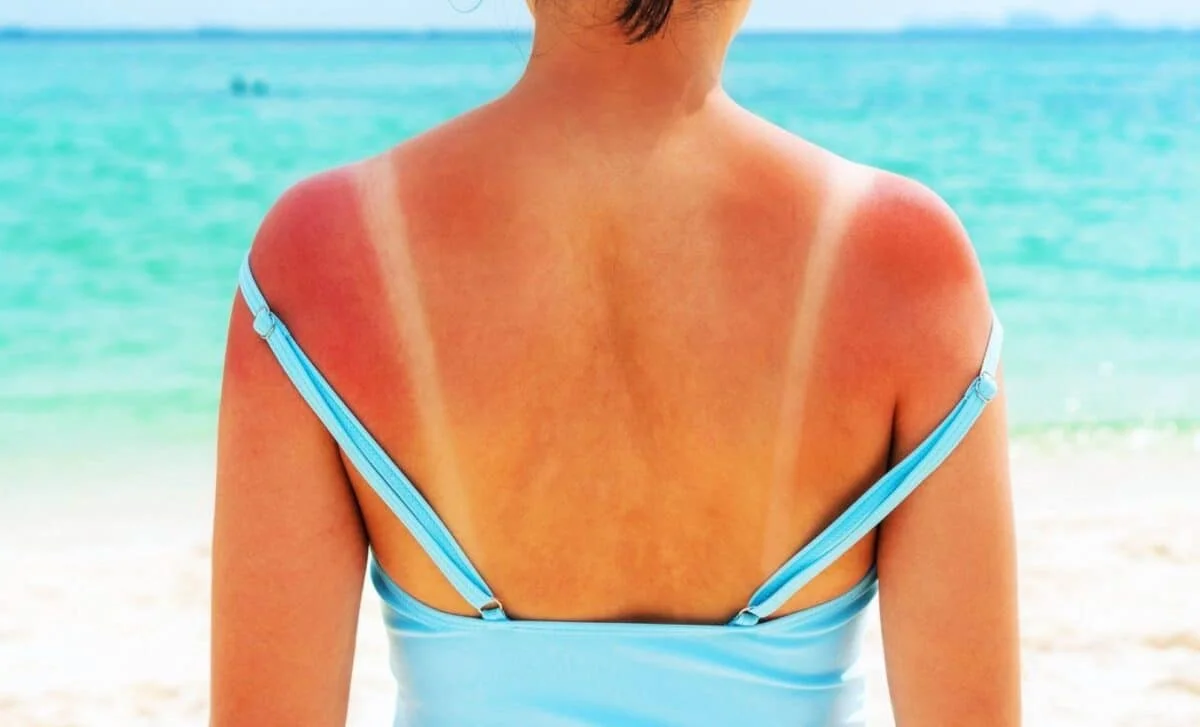
A 2025 meta-analysis of 17 studies with more than 321,000 participants linked painful, blistering sunburns to higher odds of developing cutaneous squamous cell carcinoma (cSCC). Moderate sunburn history increased odds by about 51%, and high-frequency burns by about 69%; severe childhood sunburns may triple risk. While certainty is limited by recall data, researchers urge stronger sun-safety efforts—especially for kids—and note UV exposure as the primary cancer driver. Practical prevention includes avoiding intense midday sun, seeking shade, and using sunscreen.

Grapes May Boost Skin’s UV Defense Through Gene Changes
science3 months ago

Grapes May Boost Skin’s UV Defense Through Gene Changes

A small study of four volunteers found that consuming about three servings of grapes daily for two weeks altered gene expression in skin cells, promoting UV-protective changes (keratinization and cornification) and reducing the oxidative stress marker malondialdehyde, suggesting grapes may confer UV protection via nutrigenomic effects; the mechanism is still unclear and findings are early, with prior data and funding from the California Table Grape Commission noted.

RNA damage takes center stage in sunburn science
science4 months ago

RNA damage takes center stage in sunburn science

New research from Copenhagen and NTU Singapore shows the immediate sunburn response is driven by RNA damage, not DNA. UV exposure triggers RNA damage that activates the ribotoxic stress response via the ZAK-alpha pathway, leading to inflammation and cell death; knocking out ZAK in mice reduces these responses. This challenges long-held beliefs about UV damage and could rewrite textbooks, influence sun-protection strategies, and inspire new approaches to inflammatory skin conditions.

FDA Drops Plan for Nationwide Minor Tanning-Bed Ban, Shifts Regulation to States
health5 months ago

FDA Drops Plan for Nationwide Minor Tanning-Bed Ban, Shifts Regulation to States

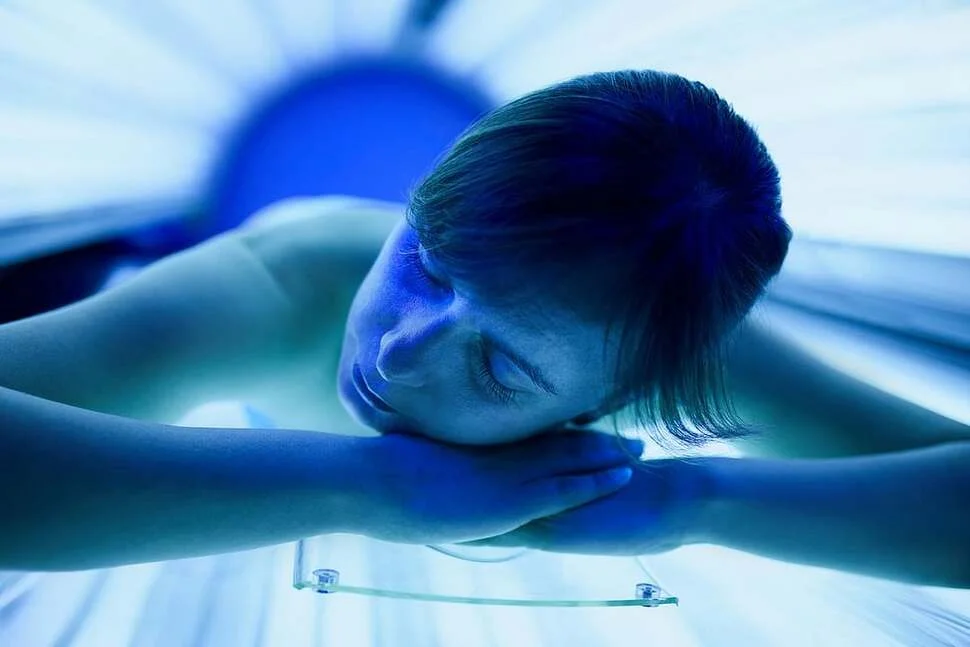
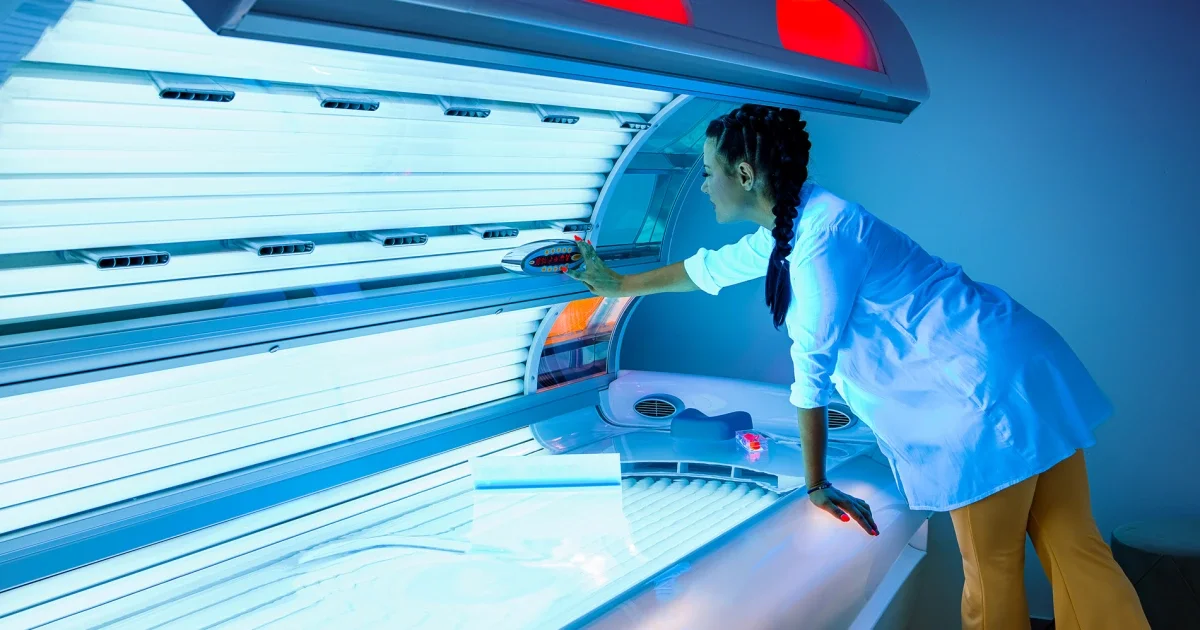
The FDA has withdrawn a proposed rule that would have banned tanning bed use for anyone under 18 and required parental waivers for adults, leaving regulation up to states; UV exposure from sunlamps raises skin-cancer and melanoma risk, and devices can emit up to 15 times more UV than sunlight. Warnings remain on devices, but experts debate whether warnings alone are enough without a federal ban while the agency pursues other sunlamp regulations in the future.

FDA shelves federal teen-tanning rule, deferring to state laws
health5 months ago

FDA shelves federal teen-tanning rule, deferring to state laws

The FDA withdrew its 2015 proposed rule that would have barred anyone under 18 from using tanning beds, leaving regulations to state laws that already restrict or permit teen use. The withdrawal followed more than 8,100 public comments, with concerns about compliance burdens and personal choice, while authorities emphasize that UV exposure raises skin cancer risk and that sunlamps still warrant caution and potential future regulatory action.

RNA Damage Triggers Sunburn, Rewriting UV Skin-Damage Science
science7 months ago

RNA Damage Triggers Sunburn, Rewriting UV Skin-Damage Science

New research finds the first UVB skin response is RNA damage that activates the ZAK alpha–driven ribotoxic stress pathway, not DNA lesions, triggering inflammation and cell death; this upends decades of DNA-centered sunburn models and could reshape dermatology education, diagnostics, and drug development, though no ZAK alpha inhibitors are in trials yet.

Scientists Reveal Why Skin Wrinkles with Age
health1 year ago

Scientists Reveal Why Skin Wrinkles with Age

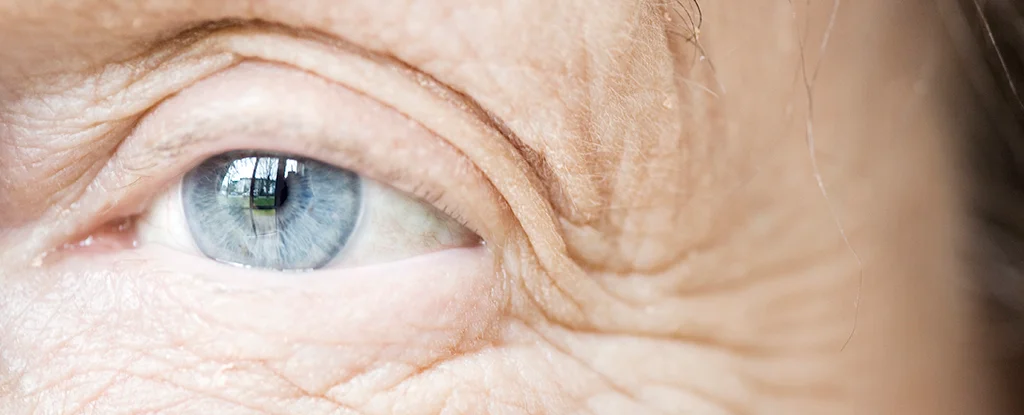
A study by Binghamton University researchers explains that skin wrinkles with age due to repeated stretching and buckling, similar to denim creases, with changes in skin stiffness and collagen density contributing to this process. The findings provide experimental evidence of the physical mechanisms behind aging skin and have implications for skincare and understanding other tissues, as well as the impact of sun exposure on skin aging.

Manicure Lamps Pose Risks of Skin Damage and Aging
health1 year ago

Manicure Lamps Pose Risks of Skin Damage and Aging

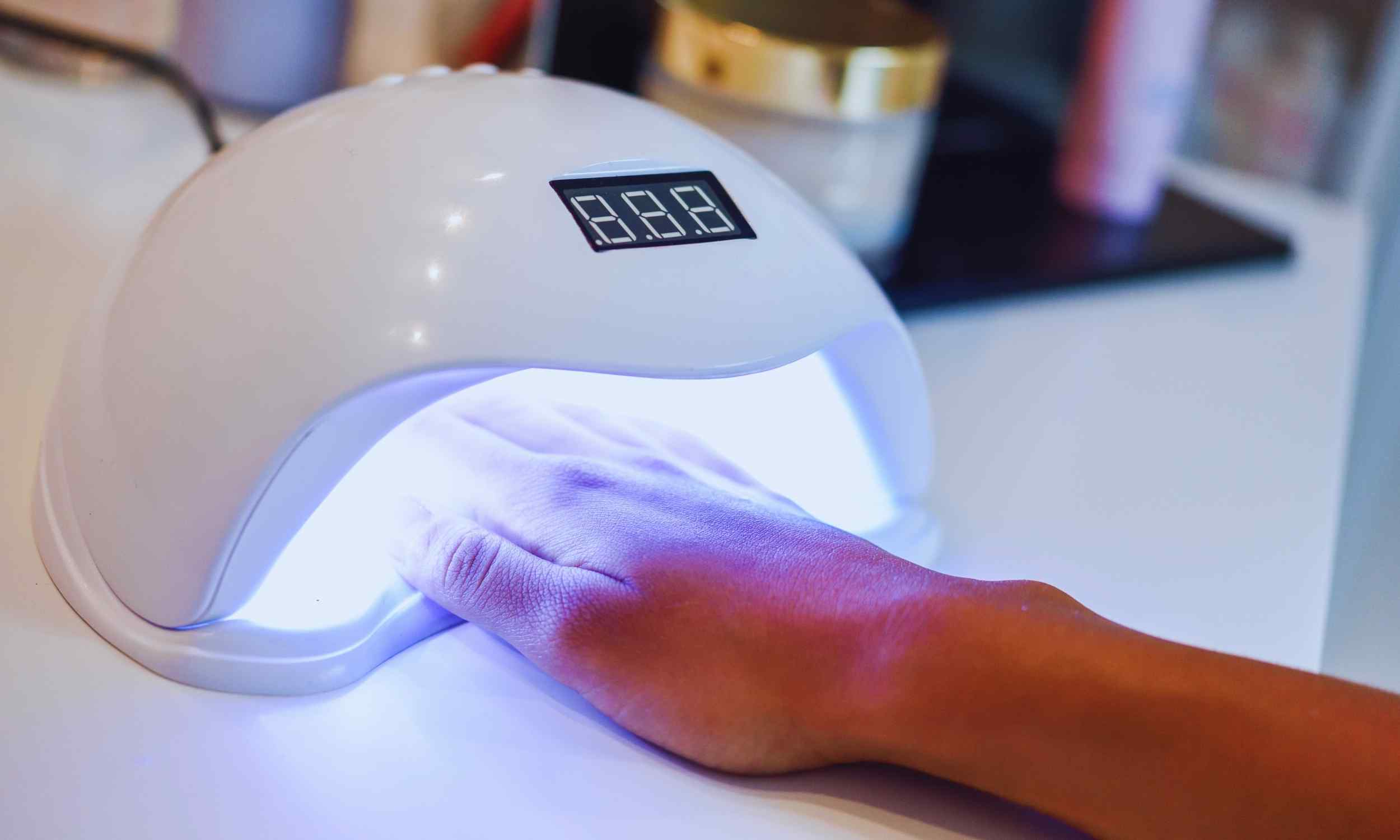
A recent study reveals that UV and near-UV lamps used in gel manicures can chemically damage skin molecules, including enzymes like tyrosinase, leading to increased oxidative stress, potential skin aging, and higher skin cancer risk. The lamps emit UVA radiation comparable to sunlight, and repeated exposure may cause cumulative skin damage, emphasizing the need for protective measures and regulatory standards.

Sunscreen Warning Issued in New York State
health1 year ago

Sunscreen Warning Issued in New York State

The New York State health department warns residents, especially families with children, about the dangers of UV radiation and skin cancer, emphasizing the importance of using broad-spectrum sunscreen with at least SPF 15 or 30, reapplying every two hours, and checking expiration dates to stay protected during the sunny summer months.

Breakthrough Antibody Treatment Unleashes Immune System Against Tumors
health-and-medicine1 year ago

Breakthrough Antibody Treatment Unleashes Immune System Against Tumors

Researchers at Tel Aviv University have discovered a new method to treat cancer by targeting a protein called Ly6a, which acts as an immune "brake". This protein, found in high levels in tumors, helps cancer evade the immune system. By using anti-Ly6a antibodies to release these brakes, the immune system can effectively attack and reduce tumors, including those resistant to current immunotherapies. The findings, published in Nature Communications, could lead to new treatments for cancer patients who do not respond to existing therapies.