
Dentist Breaks Down the Science Behind Viral Nano Hydroxyapatite Toothpaste
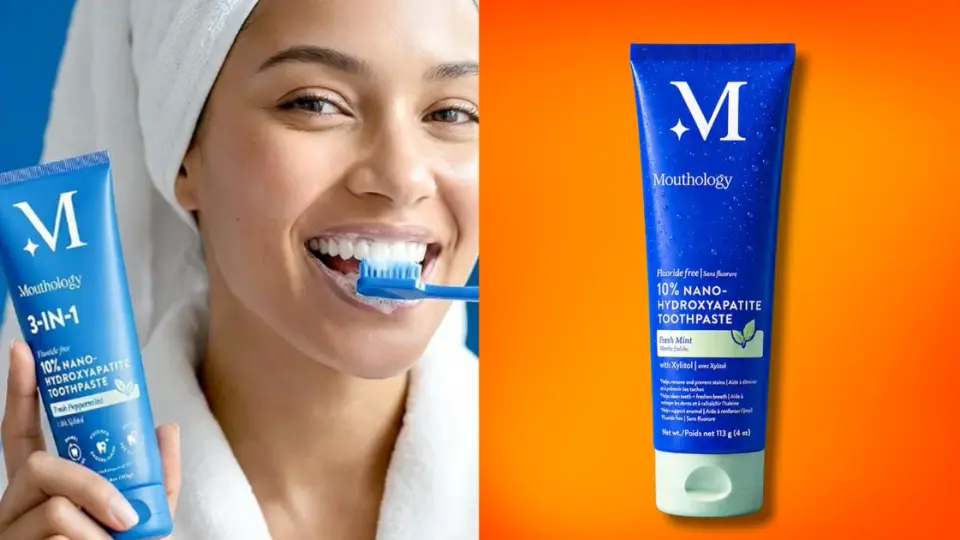
HuffPost Shopping examined the viral popularity of Mouthology’s 10% nano hydroxyapatite toothpaste, which has gained traction on Amazon and social media for its claims of remineralizing enamel and reducing sensitivity. Dr. Michael J. Wei, a dentist at Manhattan Cosmetic Dentist, confirmed that the primary ingredient, nano hydroxyapatite, is a calcium-based compound that mimics natural tooth minerals to strengthen enamel. While fluoride remains the standard recommendation for cavity prevention, Wei noted that nano hydroxyapatite offers a viable alternative for those with sensitive teeth or those preferring a simpler, SLS-free formula. The product also contains xylitol, which helps reduce cavity-causing bacteria and increase saliva production. Although the brand claims 10% is the optimal concentration, the dentist emphasized that individual dental needs vary and that consulting a professional is essential. Consumer reviews highlight significant improvements in sensitivity, whitening, and overall oral comfort, though the product is not a substitute for professional dental care.
Key points
- Mouthology’s 10% nano hydroxyapatite toothpaste has become a popular Amazon product, praised for its ability to reduce sensitivity and whiten teeth without using SLS or fluoride.
- Dr. Michael J. Wei explained that nano hydroxyapatite is a calcium-based compound that remineralizes enamel by supplying minerals similar to those naturally found in teeth.
- The toothpaste includes xylitol, a sugar alcohol that helps lower cavity risk by reducing harmful bacteria and increasing saliva production.
- While fluoride is widely recommended for strengthening enamel through fluorapatite formation, nano hydroxyapatite is considered a suitable alternative for individuals with sensitive teeth or those avoiding fluoride.
- The brand claims 10% is the optimal concentration for nano hydroxyapatite, but Dr. Wei cautioned that the ideal amount depends on individual dental needs and overall formulation.
- Consumer reviews cite rapid improvements in tooth sensitivity, whitening, and gum health, with some users noting that the product has resolved issues that mainstream brands like Sensodyne and Crest did not address.
Background
Previous HuffPost coverage has highlighted the importance of fluoride in toothpaste and the benefits of xylitol gum for oral health. This article builds on that background by examining a specific product that combines nano hydroxyapatite and xylitol, addressing consumer interest in alternative ingredients for sensitive teeth.
Why it matters
The rise of nano hydroxyapatite toothpaste reflects a growing consumer interest in alternative oral care ingredients that address sensitivity and enamel health without traditional additives like fluoride or SLS. Understanding the scientific basis of these products helps consumers make informed decisions about their dental hygiene routines, particularly for those with specific dental concerns or preferences for simpler formulas.
What to watch
Consumers should continue to consult with their dentists before switching to new oral care products, especially those with specific dental needs. The market for nano hydroxyapatite toothpaste may continue to grow as more consumers seek alternatives to traditional fluoride-based products, but individual results may vary based on personal dental conditions and overall oral hygiene practices.
Want the full story? Read the original reporting
Read on HuffPost