
Disrupted Sleep Rhythms May Impair Brain Cleaning, Raising Dementia Risk
TL;DR
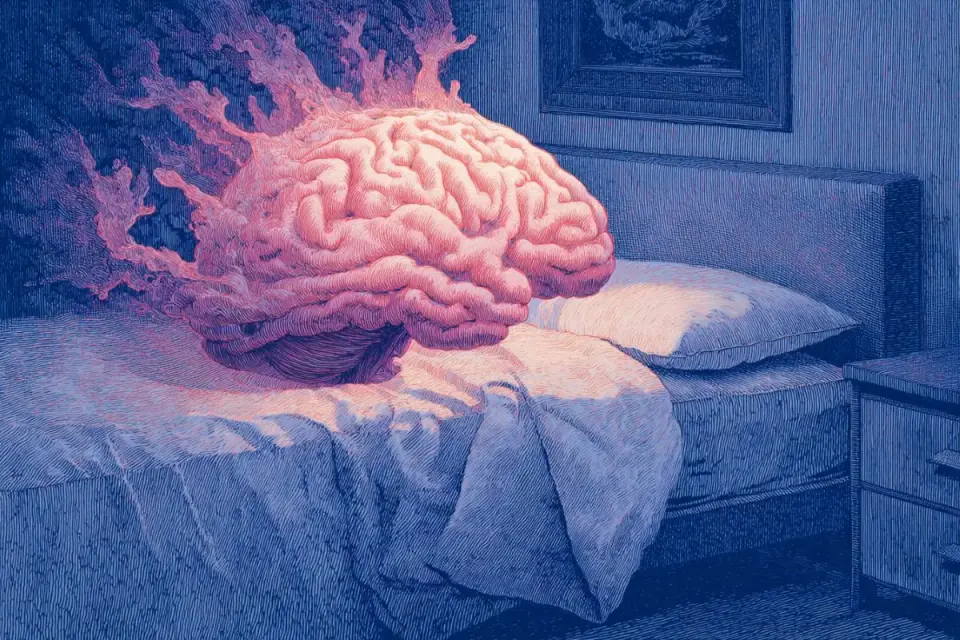
A University of Rochester review argues that chronic stress, depression, aging, and cardiovascular disease may converge on disrupting sleep-dependent brain rhythms that drive the glymphatic system, which clears toxic proteins like amyloid-β and tau. When these synchronized neuromodulator cycles and vasomotion fail to function during non-REM sleep, waste clearance falters, potentially elevating dementia risk. The piece also suggests heart rate variability during sleep as a noninvasive biomarker, trackable by wearables, to gauge brain-cleaning efficiency before symptoms appear.
- Broken Sleep Rhythms: The Glymphatic Link to Dementia Neuroscience News
- An Early Warning Sign of Alzheimer's May Be Keeping Some Women Up at Night ScienceAlert
- Sleep helps brain clean Alzheimer’s-linked toxins, study says Financial Times
- The brain's night shift: How sleep, waste clearance and dementia may be linked Medical Xpress
- Could how well you sleep be linked to diseases like dementia? CTV News
Want the full story? Read the original reporting
Read on Neuroscience News