
First documented case of a tooth erupting in an eye socket highlights rare developmental anomaly
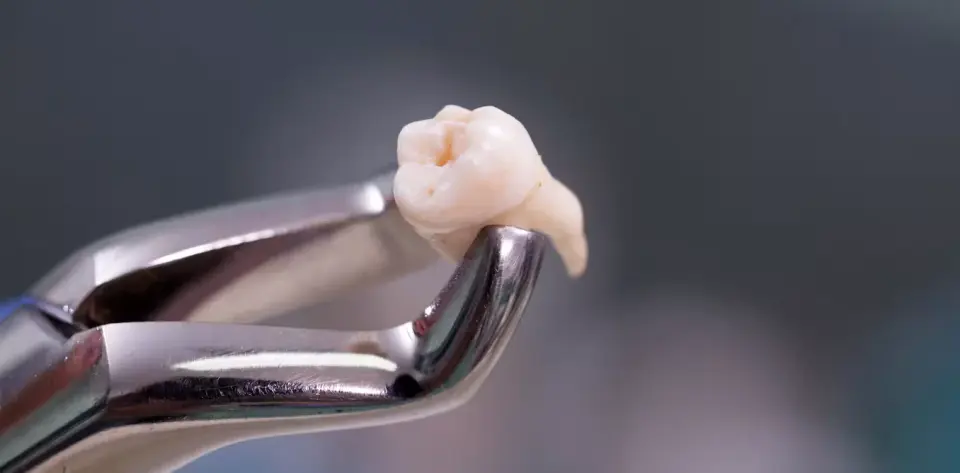
A 16-year-old boy in India has become the first documented patient to have a fully formed canine tooth grow in his left eye socket. The condition, known as an ectopic tooth, was discovered after the teen noticed painless swelling, followed by two hard points protruding from the area between his eyelid and eyebrow. A CT scan confirmed the presence of the tooth, which was subsequently surgically removed. While ectopic teeth are rare, this specific location is unprecedented in medical literature.
Key points
- The patient, a 16-year-old Indian male, experienced painless swelling in his left eye socket for approximately one month before seeking medical attention.
- Two hard, whitish points eventually poked through the skin, leading to a CT scan that revealed a fully formed canine tooth.
- This is the first recorded instance of a tooth developing in the superior orbit (upper eye socket); previous cases have been found in the maxillary sinus, nasal cavity, palate, chin, and jaw joint.
- The tooth was surgically removed, and subsequent imaging confirmed that no other ectopic teeth were present in the patient.
- Doctors could not determine the specific cause, as the patient had no history of trauma, and the condition is not linked to a known genetic disorder in this case.
Background
Ectopic teeth are a rare occurrence where teeth develop or erupt in abnormal locations outside the mouth. While most commonly found in the maxillary sinus, they have been documented in the nasal cavity, palate, chin, and jaw joint. A review of 61 published cases indicates that these anomalies can remain unnoticed for years or cause symptoms such as pain, swelling, headaches, or difficulty opening the mouth. Causes may include developmental errors in facial tissue interactions, injuries, dental treatments, or growths like cysts and tumors. Some cases are linked to inherited conditions like cleidocranial dysplasia, though this was not the case for the Indian patient. This incident follows other recent dental news, such as rising cases of stress-driven teeth grinding among young adults in the UK, but remains distinct as a developmental anomaly rather than a functional issue.
Why it matters
This case underscores the complexity of human embryonic development and the potential for rare anatomical anomalies. It highlights the importance of thorough imaging and surgical intervention for unusual swellings, as initial suspicions of other conditions, such as teratomas, can be misleading. Understanding the mechanisms behind ectopic teeth, whether developmental or traumatic, is crucial for improving diagnostic accuracy and treatment outcomes in dental and medical fields.
What to watch
Medical professionals will continue to monitor for any recurrence or additional ectopic teeth, although the current case shows no evidence of further anomalies. Researchers may use this case to further study the developmental pathways that lead to such rare occurrences, potentially improving early detection and prevention strategies for similar conditions.
Want the full story? Read the original reporting
Read on The Conversation