
Infections Account for 12% of Global Cancers, Study Finds
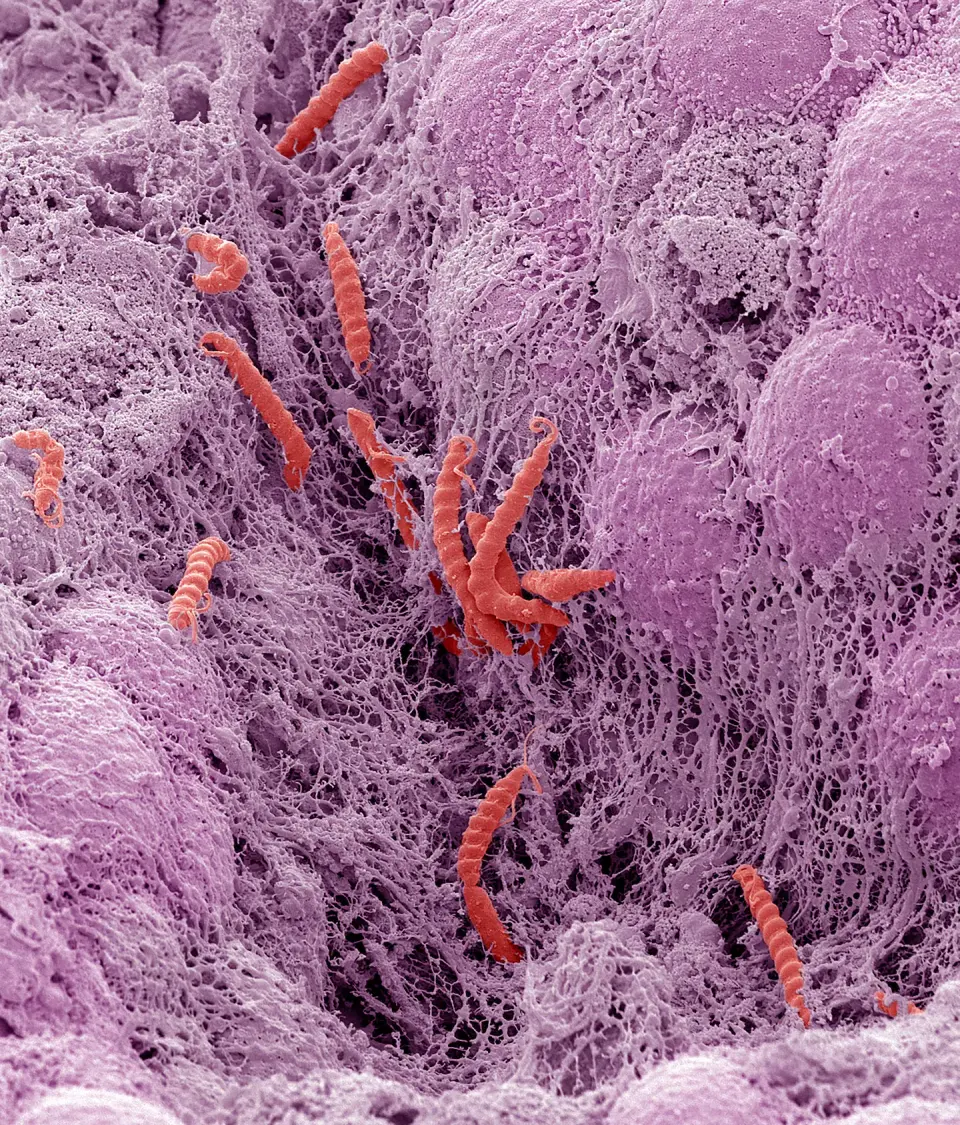
A new report by the International Agency for Research on Cancer (IARC) reveals that infectious agents caused approximately 12% of new cancer cases globally in 2024. Key pathogens include human papillomavirus (HPV), Helicobacter pylori, and hepatitis B. While many of these cancers are preventable through existing vaccines and treatments, disparities in access and declining vaccination rates in some regions pose significant challenges.
Key points
- IARC estimates that 12% of new cancer diagnoses worldwide in 2024 were linked to infectious agents.
- HPV, H. pylori, and hepatitis B are among the most significant infectious causes of cancer.
- Preventive measures like vaccines and antibiotics can reduce risk, but access remains uneven globally.
- Vaccination rates for hepatitis B in the U.S. have declined recently, potentially impacting cancer prevention efforts.
Background
Previous coverage in September 2026 highlighted the same IARC study, noting that 2.3 million new cancer cases were linked to infections. Earlier reports also explored the link between H. pylori and bowel cancer, though causality remains under investigation.
How outlets are covering it
The Washington Post emphasizes the preventability of these cancers through existing tools like vaccines. Time Magazine provides a detailed breakdown of specific pathogens, noting that HPV accounts for 4% of new diagnoses and H. pylori for another 4%. Time also highlights the lack of an effective vaccine for Epstein-Barr virus (EBV), which affects over 90% of the global population. OncoDaily focuses on H. pylori testing as a preventive measure for stomach cancer. While all sources agree on the 12% figure, Time Magazine offers more granular data on individual pathogens and the challenges of vaccine development for common viruses like EBV.
Why it matters
Understanding the link between infections and cancer highlights the importance of vaccination and preventive healthcare. Addressing disparities in access to these interventions could significantly reduce the global cancer burden. However, declining vaccination rates and the lack of vaccines for some common viruses present ongoing challenges.
What to watch
Researchers expect to see the impact of widespread HPV vaccination on cancer rates in future analyses. Development of vaccines for EBV and other pathogens is underway, with some candidates in clinical trials. Public health efforts will focus on improving access to existing vaccines and treatments for infectious agents linked to cancer.
- These common infections can cause cancer. Here’s what can lower your risk. The Washington Post
- These Infections Are Linked to 12% of New Cancer Cases Time Magazine
- 12% of Cancer Cases Could Be Preventable, New Study Suggests EatingWell
- Amanda Pullinger։ Highlighting H. pylori Testing as an Opportunity for Stomach Cancer Prevention Oncodaily
- Infections Caused 2.3 Million Cancer Cases Worldwide in 2024 SuaraGarut.ID
Want the full story? Read the original reporting
Read on The Washington Post