
Queensland man’s untreated toothache triggers sepsis and emergency heart valve surgery
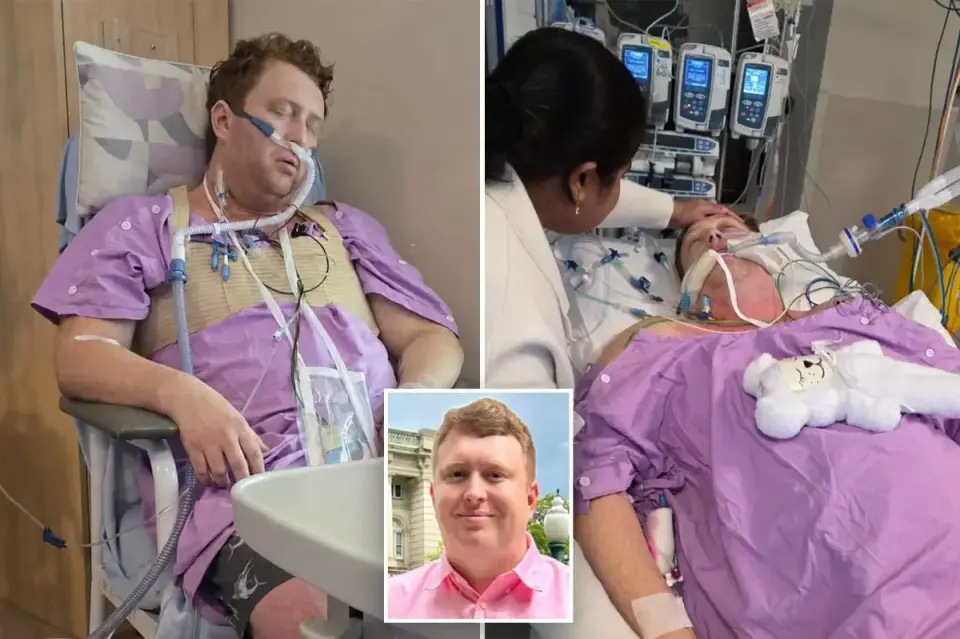
A 35-year-old Australian man named Luke developed sepsis from an untreated toothache, leading to infective endocarditis that destroyed a heart valve. He underwent emergency open-heart surgery at Redcliffe Hospital in Queensland and now faces lifelong medication and monitoring. The case highlights the rapid progression of sepsis and public concerns about dental care costs in Australia.
Key points
- Luke, a 35-year-old Queensland resident with no prior medical issues, initially attributed his symptoms to a viral illness after experiencing a toothache and fever.
- His condition rapidly deteriorated over a few days, resulting in chest tightness and severe head pain, prompting him and his wife to seek emergency care at Redcliffe Hospital.
- Doctors diagnosed sepsis, where the immune system overreacts to infection, and infective endocarditis, which had completely destroyed one of his heart valves.
- Luke underwent emergency open-heart surgery, which was successful, but he now requires daily medication, regular blood tests, and extreme caution regarding minor injuries to prevent further complications.
- The incident sparked widespread discussion on social media regarding the high out-of-pocket costs of dental care in Australia, with many commenters arguing that dental services should be covered by Medicare to prevent delayed treatment.
Background
This case follows a broader pattern of severe cardiac complications arising from untreated or neglected dental and oral health issues. In August 2026, a celebrity disclosed that aggressive brushing led to gum surgery, while in September, a woman detailed how untreated strep infections caused permanent heart damage requiring surgery. Additionally, a rare case in China involved a sewing needle lodged in a heart, underscoring the critical nature of cardiac interventions. These prior instances highlight the diverse and often severe consequences of oral health neglect or unusual medical conditions, providing background for the current case where a simple toothache escalated into a life-threatening cardiac emergency.
Why it matters
The case underscores the critical importance of early medical intervention for seemingly minor symptoms, as sepsis can progress rapidly from a localized infection to a life-threatening condition. It also highlights systemic issues in healthcare access, specifically the financial barriers to dental care in Australia, which may lead individuals to delay treatment and face severe complications. The incident serves as a stark reminder that oral health is directly linked to systemic health, including cardiac function, and that public health systems must address cost-related delays in preventive care to avoid emergency interventions.
What to watch
Luke will continue his recovery, adhering to a strict regimen of daily medication and regular blood tests to monitor his health. He will need to exercise extreme caution with everyday cuts and bruising to prevent further infections. Public discourse may continue regarding the inclusion of dental care in Australia's Medicare system, potentially influencing future healthcare policy discussions. Healthcare providers may use this case to reinforce the importance of recognizing early sepsis symptoms and the critical link between dental infections and cardiac health.
Want the full story? Read the original reporting
Read on New York Post