
Channel 4's ADHD documentary sparks fierce debate and formal Ofcom complaint
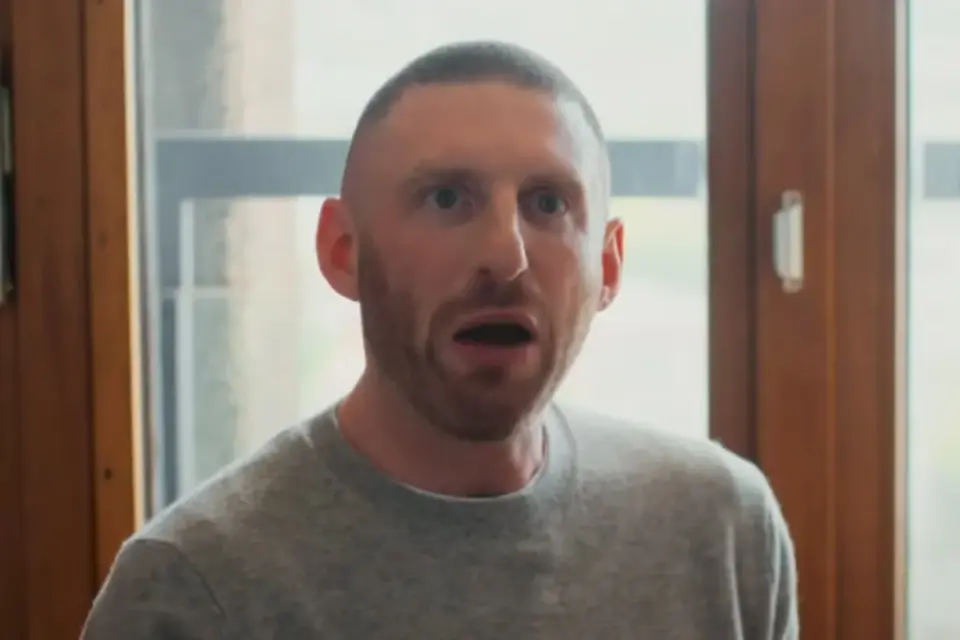
Channel 4's documentary 'The Great ADHD Myth?' has ignited a fierce debate in the UK. Presented by NHS psychiatrist Dr. Max Pemberton, the program questions whether ADHD is a genuine neurodevelopmental disorder or a social construct. While some critics and charities argue the show is dangerous and pseudoscientific, others praise it for challenging prevailing orthodoxy. The controversy has led to a formal complaint to the media regulator Ofcom.
Key points
- The documentary, broadcast on Tuesday, features Dr. Max Pemberton and several medical experts who question the validity of ADHD as a brain disorder.
- ADHD UK and the Royal College of Psychiatrists have condemned the program, with the former filing a formal complaint to Ofcom.
- The show follows a 10-year-old boy, Mason, who stops his medication for six weeks to try lifestyle changes, though he eventually returns to medication.
- Channel 4 defended the program, stating it explores legitimate public debate and challenges conventional understandings of the condition.
- Critics, including New Scientist, argue the show relies on shock tactics and misrepresents scientific data, while The Guardian and The Times gave it four-star reviews.
Background
This controversy follows a broader trend in 2026 where media and tech companies face rapid backlash for controversial content or features, such as Meta's AI image tool and Dylan Walsh's Cameo clip. The ADHD debate also touches on ongoing issues with NHS waiting lists and rising diagnosis rates in the UK.
How outlets are covering it
The Independent and BBC report on the backlash and the formal complaint to Ofcom by ADHD UK. The Guardian and The Times offer positive reviews, calling the show 'convincing' and 'the most controversial show of the year.' New Scientist strongly criticizes the documentary as 'pseudoscientific and dangerous,' arguing it misrepresents the condition and could harm patients. Channel 4 defends the program as a legitimate exploration of public debate.
Why it matters
The controversy highlights deep divisions in the UK over the diagnosis and treatment of ADHD, a condition affecting an estimated 2.5 million people. It raises questions about the role of media in challenging medical orthodoxy and the potential impact of such debates on public perception and access to care.
What to watch
Ofcom will now review the complaint from ADHD UK. Channel 4 has stated it will not comment further, and Dr. Pemberton has not responded to requests for comment. The debate is likely to continue as more viewers and experts weigh in on the documentary's claims.
- Channel 4 faces backlash over ‘most controversial show of the year’ The Independent
- The Great ADHD Myth? review – the most controversial show of the year is here The Guardian
- The Great ADHD Myth? Suggesting that ADHD is a myth is pseudoscientific and dangerous New Scientist
- ADHD charity complains about Channel 4 documentary BBC
- The Great ADHD Myth? review — a provocative film against overdiagnosing The Times
Want the full story? Read the original reporting
Read on The Independent