
Rosuvastatin Restart Triggers Severe Rhabdomyolysis and Dialysis-Dependent Kidney Failure in Post-Stent Patient
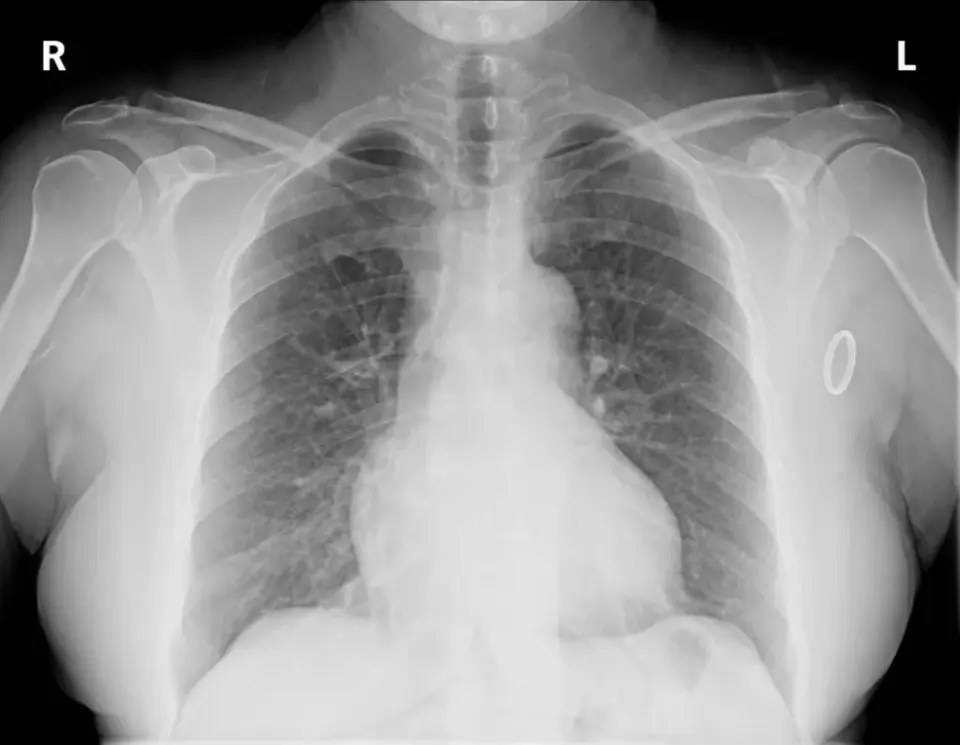
A 66-year-old woman developed severe rhabdomyolysis and acute kidney injury requiring hemodialysis after restarting high-dose rosuvastatin while on ticagrelor. The case highlights the risks of statin reinitiation in patients with multiple comorbidities and concurrent cardiovascular medications.
Key points
- A 66-year-old woman with type 2 diabetes, hypertension, and hyperlipidemia suffered severe rhabdomyolysis and acute kidney injury (AKI) one month after restarting rosuvastatin 40 mg daily following a drug-eluting stent implantation.
- The patient had previously discontinued rosuvastatin and aspirin on her own three years prior; she was now on a regimen including ticagrelor, aspirin, perindopril, and amlodipine.
- Symptoms began with generalized weakness and myalgia, progressing to anuria, dark-red urine, and severe muscle pain within two days of initial lab abnormalities.
- Laboratory results showed markedly elevated creatine kinase (CK) and serum creatinine levels, with a peak creatinine of 6.3 mg/dL and BUN of 82 mg/dL.
- Rosuvastatin was discontinued, and ticagrelor was replaced with clopidogrel; the patient required hemodialysis for metabolic acidosis and renal dysfunction.
- The patient recovered, with serum creatinine decreasing to 1.3 mg/dL by the third week after discharge, though she experienced transient pulmonary congestion requiring additional dialysis sessions.
Background
This case report, published in Cureus in September 2026, adds to the understanding of statin-associated muscle toxicity, particularly in the context of drug-drug interactions. While statins are standard for lipid management post-cardiac events, the risk of rhabdomyolysis can be heightened by concomitant medications like ticagrelor, which may alter statin metabolism. Previous coverage in our archive, such as the September 2026 report on hyponatremia revealing a peritransplant abscess, also highlights how subtle clinical signs can mask severe underlying complications, underscoring the need for vigilant monitoring in complex patient cases.
Why it matters
This case underscores the critical importance of monitoring for muscle symptoms and renal function when reintroducing high-intensity statins, especially in patients on multiple cardiovascular drugs. It serves as a reminder that drug interactions can lead to severe, life-threatening complications like rhabdomyolysis and AKI, necessitating prompt intervention and medication adjustment.
What to watch
Clinicians should maintain a high index of suspicion for statin-induced muscle toxicity in patients with multiple comorbidities and concurrent medications. Early recognition of symptoms like myalgia, dark urine, and elevated CK levels is essential for timely intervention. Further research may explore the specific mechanisms of interaction between rosuvastatin and ticagrelor to guide safer prescribing practices.
Want the full story? Read the original reporting
Read on The Cureus Journal of Medical Science