
Marsha Linehan, Creator of Dialectical Behavior Therapy, Dies at 83
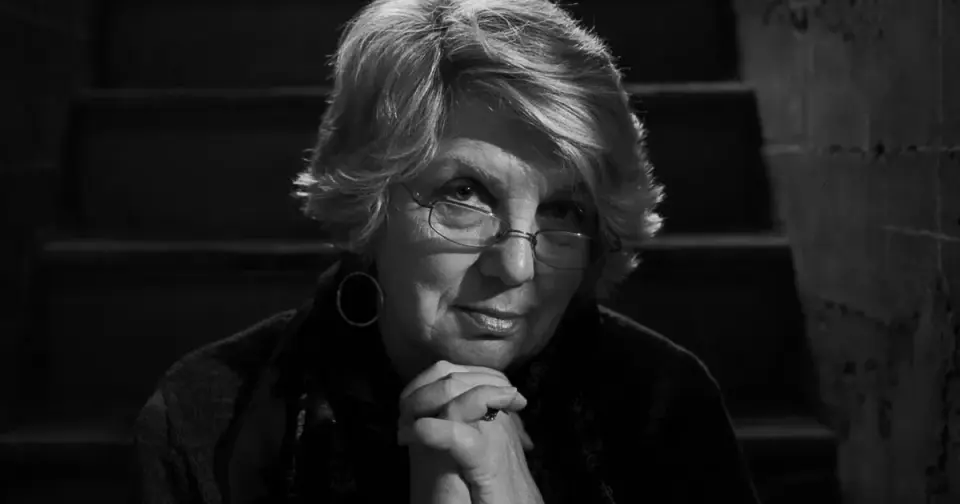
Marsha Linehan, the pioneering psychologist who developed Dialectical Behavior Therapy (DBT), died in Seattle on Tuesday at age 83. Linehan, a University of Washington professor, created DBT by combining traditional talk therapy with Zen mindfulness to treat borderline personality disorder and severe suicidal behavior. Her approach, which emphasizes emotion regulation and stress tolerance, is now considered the gold standard for these conditions and has expanded to treat other mental health issues. Colleagues and former patients described her as a deeply empathetic figure who used her own struggles with mental illness to develop effective treatments. Linehan is survived by her daughter, Geraldine Rodriguez, and other family members.
Key points
- Marsha Linehan died in Seattle on Tuesday after being hospitalized for pneumonia on October 31 and transitioning to end-of-life care.
- Linehan developed Dialectical Behavior Therapy (DBT) by integrating talk therapy with Zen mindfulness practices to treat borderline personality disorder and suicidal behavior.
- DBT is now the standard treatment for borderline personality disorder and has shown benefits for eating disorders, substance use, depression, bipolar disorder, PTSD, and anxiety.
- Linehan was a University of Washington psychology professor who earned a doctorate from Loyola University Chicago in 1971 and joined UW in 1977.
- She authored seven books, including the memoir 'Building a Life Worth Living,' and founded a DBT training organization.
- Linehan’s personal experiences with mental illness, including electroconvulsive therapy and hospitalization in her late teens, influenced her development of 'radical acceptance' and DBT.
Background
Marsha Linehan’s work revolutionized the treatment of borderline personality disorder, a condition previously considered largely untreatable and highly stigmatized. Before DBT, many patients faced unsuccessful therapeutic approaches, and Linehan’s innovation provided a structured path to recovery. Her development of DBT was rooted in her own experiences with severe mental health crises in her late teens, including electroconvulsive therapy and hospitalization, which led her to explore mindfulness and coping skills. Linehan’s contributions extended beyond clinical practice, as she authored multiple books and established training organizations to disseminate DBT globally. Her legacy includes a shift in how mental health professionals approach severe suicidal behavior and emotional dysregulation, emphasizing skills-based interventions over purely talk-based therapy.
Why it matters
Linehan’s development of DBT transformed the treatment landscape for borderline personality disorder and other severe mental health conditions, offering effective, evidence-based interventions where previous methods had failed. Her work reduced stigma by demonstrating that these conditions are treatable and provided patients with practical tools for emotion regulation and stress tolerance. The widespread adoption of DBT in clinical settings and its expansion to other disorders have improved outcomes for millions of patients. Linehan’s emphasis on empathy, self-acceptance, and mindfulness continues to influence mental health care, shaping how clinicians and patients approach recovery and resilience.
What to watch
A private family service is expected to honor Marsha Linehan. The mental health community will continue to implement and expand DBT-based programs, including school curricula developed by her mentees. Tributes from clinicians and former patients are expected to highlight her lasting impact on mental health treatment and her legacy as a compassionate researcher and educator.
Want the full story? Read the original reporting
Read on The Seattle Times