
Maryland Parks Reopen After Rabid Beaver Attacks, but Seneca Creek Remains Closed
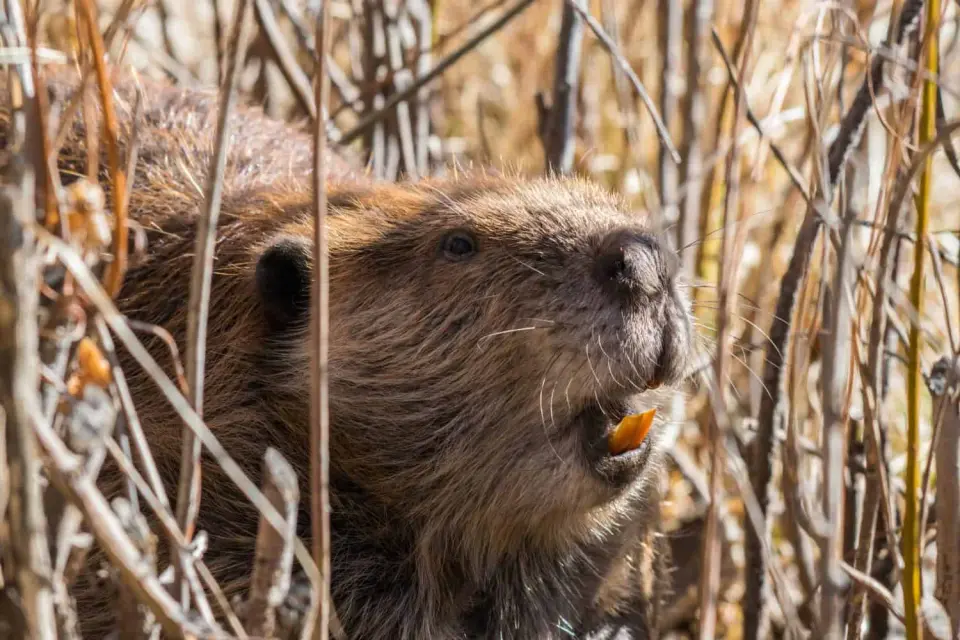
Three confirmed rabid beaver attacks in Maryland state parks this summer have prompted closures and public health alerts. While Cunningham Falls State Park has reopened after the removal of infected animals, Seneca Creek State Park remains partially closed as officials search for a potentially rabid beaver that bit a child.
Key points
- A 10-year-old girl was bitten by a beaver at Seneca Creek State Park on August 13, 2026, leading to a partial park closure.
- A dead beaver found near the attack site on August 17 tested positive for rabies, but it is unclear if it was the same animal responsible for the bite.
- Cunningham Falls State Park reopened on August 24 after two previous beaver attacks in July and August, both of which tested positive for rabies.
- Officials in Montgomery and Frederick counties do not believe there is a widespread rabies outbreak, but urge caution.
- Charles County recently reported rabies-positive bats and skunks, prompting additional public health warnings.
Background
This incident follows a series of earlier rabid beaver attacks in Maryland state parks in 2026. In late July and early August, two teens were attacked at Cunningham Falls State Park, leading to temporary closures and the euthanization of the infected animals. Previous archive coverage noted that while beavers are rarely rabies vectors, authorities suspected spillover from other wildlife. The current situation at Seneca Creek is distinct because the attacking animal was not captured, leaving uncertainty about the source of the infection.
How outlets are covering it
The Maryland Department of Natural Resources (DNR) and Montgomery County health officials emphasize that while the Seneca Creek incident is concerning, there is no evidence of a broader rabies outbreak in the region. They stress that beavers are typically non-aggressive and that unusual behavior, such as daytime activity or lack of fear, are key warning signs. A-Z Animals highlights the pattern of multiple attacks within weeks, noting that while the specific animal responsible for the child’s bite remains missing, the proximity of the incidents raises concerns. WTOP News broadens the context by reporting on recent rabies cases in bats and skunks in Charles County, suggesting that while beaver cases are rare, rabies remains present in local wildlife populations. All sources agree on the importance of maintaining a 25-yard distance from wildlife and ensuring pets are vaccinated.
Why it matters
These incidents underscore the importance of wildlife safety protocols in public parks, particularly during summer months when human-animal interactions increase. The partial closure of Seneca Creek State Park affects access to popular recreational areas, while the reopening of Cunningham Falls demonstrates the effectiveness of targeted monitoring and removal strategies. Public health officials are using these rare events to reinforce the critical importance of prompt medical attention after any animal bite and the necessity of keeping pets vaccinated against rabies.
What to watch
DNR staff will continue to monitor the closed areas of Seneca Creek State Park for signs of additional sick beavers or other wildlife. Charles County is hosting free drive-through rabies clinics for pets on October 18 and November 15. Residents are encouraged to report any unusual animal behavior or bites to local health authorities immediately.
- Rabid Beaver Attacks Child at Maryland Park and Is Still Missing A-Z Animals
- Health and Animal Services Officials Remind Residents to Avoid Contact with Wildlife Following Confirmed Rabies Case in Beaver | Montgomery County, MD Montgomery County, MD (.gov)
- Maryland Park Service Reopens Hunting Creek Lake at Cunningham Falls State Park after Removal of Rabid Beavers Maryland.gov
- Bat and skunk test positive for rabies in Charles Co., following 2 rabid beaver attacks WTOP
- Skunk and bat found with rabies in Charles County WBFF
Want the full story? Read the original reporting
Read on A-Z Animals