
Berkeley reports five rabid bats in 2026, prompting public health alert
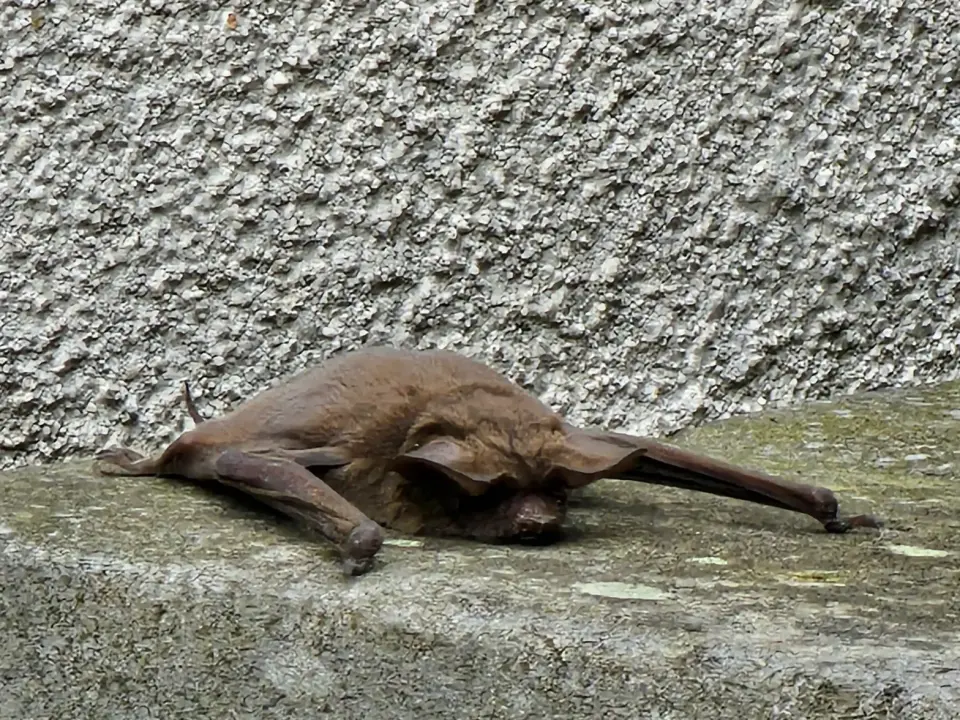
Berkeley has identified five rabid bats this year, a significant increase from the two or fewer found in previous years. Public health officials in Berkeley and Alameda County issued a warning to doctors on Aug. 12, urging prompt treatment for any potential exposures. While no human cases have been reported locally, officials emphasize that rabies is almost always fatal once symptoms appear but is preventable with post-exposure medication. Residents are advised not to handle bats and to contact Alameda County Vector Control Services for removal. Pet owners are encouraged to ensure their dogs and cats are current on rabies vaccinations.
Key points
- Five bats tested positive for rabies in Berkeley in 2026, compared to two or fewer in each of the previous six years.
- The rabid bats were found in residential and commercial areas of West and North Berkeley, though specific locations were not disclosed.
- A cat in Pleasanton also tested positive for rabies, but no human cases have been identified locally.
- Public health officials from Berkeley and Alameda County sent a warning to doctors on Aug. 12, highlighting that rabies is nearly always fatal once symptoms begin but is preventable with medication after exposure.
- Residents are advised not to touch or handle bats, living or dead, and to call Alameda County Vector Control Services at 510-567-6800 for removal.
- Pet owners are urged to ensure their dogs and cats are up to date on rabies vaccinations, and any bites must be reported to public health officials.
Background
This uptick in rabid bat cases in Berkeley follows a broader pattern of rabies alerts across the United States. In late August 2026, Bismarck, North Dakota, warned of a rabid bat cluster, urging public vigilance and pet vaccination. Similarly, in late August 2026, a rabid bat in Hilton Head Plantation, South Carolina, prompted exposure precautions, with statewide rabies cases totaling 78. In mid-August 2026, Eastern Idaho Public Health confirmed a rabid bat in Mackay, emphasizing the importance of immediate medical advice for suspected exposures and free testing for exposed bats. These incidents underscore the recurring nature of rabies risks and the critical importance of prompt medical intervention and preventive measures.
Why it matters
The increase in rabid bat cases in Berkeley highlights the importance of public health vigilance and prompt response to potential exposures. Rabies is a serious, often fatal disease, but it is highly preventable with timely medical treatment. The alert serves as a reminder for residents to avoid handling bats, ensure their pets are vaccinated, and seek immediate medical attention if exposed to a potentially rabid animal. This situation also underscores the role of local health departments in monitoring and responding to wildlife-related health risks, ensuring that communities are prepared to mitigate the impact of such outbreaks.
What to watch
Public health officials in Berkeley and Alameda County will likely continue to monitor for additional rabid bat cases and provide updates as necessary. Residents are encouraged to remain vigilant, report any unusual animal behavior, and ensure their pets are vaccinated. If a bat is found in a home, residents should contact Alameda County Vector Control Services for safe removal. Doctors and medical professionals are advised to be alert to potential exposures and to recommend post-exposure treatment promptly. Ongoing public education campaigns may also be initiated to reinforce the importance of rabies prevention and the steps to take in case of exposure.
Want the full story? Read the original reporting
Read on Berkeleyside