
San Francisco Confirms First Death from 'Gas Station Heroin' Opioid
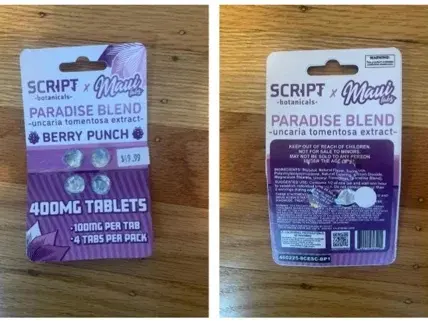
San Francisco health officials confirmed the city's first fatal overdose involving dihydro-7-hydroxymirtragynine (MGM-15), a potent semi-synthetic opioid derived from kratom. The victim, a 37-year-old man, died in late September after consuming tablets marketed as 'cat's claw' or 'uncaria tomentosa.' The substance, which is up to 50 times more potent than morphine, is a Schedule 1 drug but remains available in smoke shops and gas stations. Officials warned that the product packaging often obscures the presence of the opioid, and naloxone is recommended for reversal.
Key points
- The San Francisco Department of Public Health (SFDPH) issued an alert on Wednesday regarding the first local death from MGM-15, a kratom-derived opioid.
- The victim was a 37-year-old man who died in late September; forensic testing confirmed MGM-15 in his body and in the packaging of 'Script Botanicals x Maui Labs' tablets.
- MGM-15 is estimated to be up to 50 times more potent than morphine and was designated a Schedule 1 drug by the DEA in August 2026.
- The product was sold under misleading names like 'cat's claw' or 'uncaria tomentosa' in smoke shops and gas stations, without listing kratom or 7-OH as ingredients.
- SFDPH confirmed that naloxone (Narcan) is effective in reversing MGM-15 overdoses, unlike the synthetic opioid cychlorphine, which caused a separate death earlier this year.
Background
This incident follows a series of synthetic opioid warnings in San Francisco. In April 2026, the city issued an alert after a 16-year-old died from cychlorphine, a substance estimated to be 10 times more potent than fentanyl. That case led to police raids and the seizure of over 20,000 pills. The current MGM-15 case is the second public health warning regarding a synthetic opioid in the city this year. Nationally, kratom-related calls to poison centers have risen significantly, and other states like Utah and Washington have reported multiple deaths linked to similar mislabeled supplements.
How outlets are covering it
While all sources agree on the fatal nature of the MGM-15 overdose, they emphasize different aspects of the crisis. Patch and KTVU focus on the accessibility of the drug in retail locations like gas stations and smoke shops, highlighting the public health risk. The Los Angeles Times provides broader context, noting that the DEA designated MGM-15 as a Schedule 1 drug in August and that similar deaths have occurred in Utah and Washington. CBS News emphasizes the potency of the drug, noting it is up to 50 times stronger than morphine, and contrasts it with the cychlorphine case earlier in the year. KTVU specifically notes that while police have raided smoke shops recently, it is unclear if the seized products contained MGM-15, whereas the LA Times points out that the specific brand involved, 'Script Botanicals x Maui Labs,' did not list kratom on its packaging, making detection difficult for consumers.
Why it matters
The confirmation of a fatal overdose from MGM-15 in San Francisco highlights the dangers of unregulated supplements sold in everyday retail environments. The drug's high potency and misleading labeling pose significant risks to consumers who may not realize they are ingesting a potent opioid. The case underscores the need for public awareness regarding the risks of 'natural' supplements and the importance of naloxone availability, as officials confirmed that Narcan can reverse the effects of this specific opioid.
What to watch
San Francisco health officials are urging the public to use naloxone for any suspected overdoses and to call 911. The city continues to monitor for other synthetic opioids, following the earlier cychlorphine incident. Federal authorities have already designated MGM-15 as a Schedule 1 drug, and similar warnings have been issued in Utah and Washington, suggesting a broader national trend in the misuse of kratom-derived opioids in consumer products.
- First 'Gas Station Heroin' Death Reported In San Francisco Patch
- San Francisco reports first fatal overdose from synthetic opioid sold in gas stations, smoke shops CBS News
- SF: Health Officials To Discuss Recent Mgm-15 Related Overdose SFGATE
- Overdose linked to new opioid prompts San Francisco health alert KTVU
- Supplement sold at gas stations blamed for California man’s opioid overdose Los Angeles Times
Want the full story? Read the original reporting
Read on Patch