
US Measles Crisis Escalates as CDC Death Counts Dispute Deepens
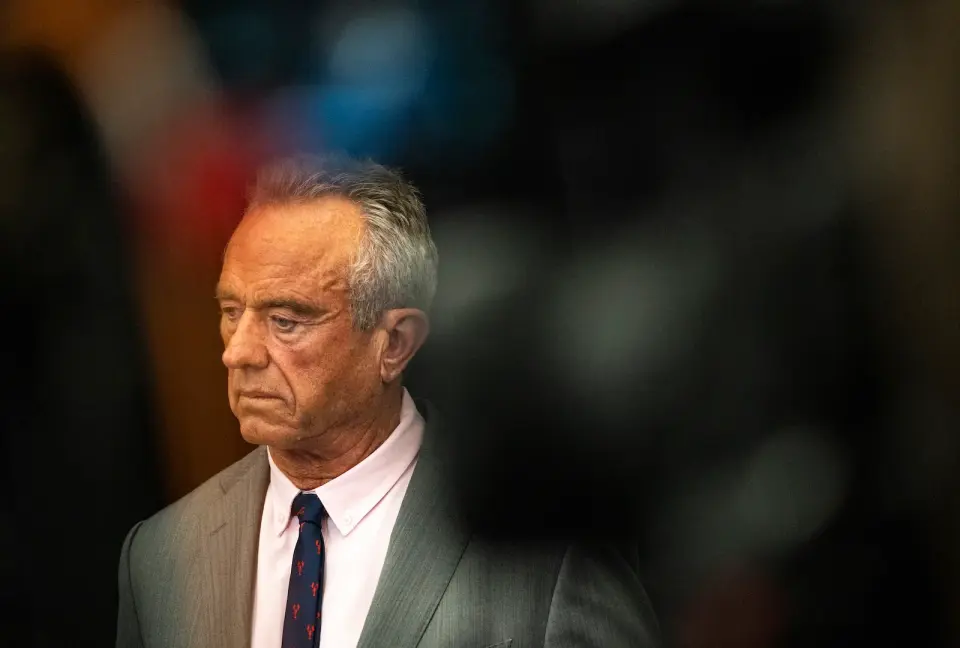
The United States faces a severe measles resurgence, with confirmed cases exceeding 4,400 as of October 15, 2026, nearly doubling the 2025 total. While the CDC reports only three deaths, Pennsylvania officials cite five confirmed fatalities and a sixth under investigation, leading to a formal dispute over data accuracy. Health Secretary Robert F. Kennedy Jr. has faced criticism for allegedly instructing the CDC to exclude deaths of medically fragile individuals from official tallies. As the Pan American Health Organization prepares to review the US elimination status in November, public trust in federal health guidance remains low, with only one in four Americans trusting Kennedy’s information.
Key points
- Confirmed US measles cases reached 4,410 by October 15, 2026, with 330 new infections reported in the previous week alone.
- Pennsylvania has recorded over 1,300 cases and 250 hospitalizations this year, with five confirmed deaths, contradicting the CDC’s dashboard count of three.
- CDC Director Erica Schwartz implemented a request from Kennedy to remove two deaths from the dashboard in September, though they were later reinstated with asterisks.
- The CDC is accused of withholding the location of the latest death and failing to validate new testing methods requested by states.
- Pennsylvania Health Secretary Debra Bogen has formally requested that the CDC acknowledge the state’s death toll and clarify its tracking methodology.
- The Pan American Health Organization is expected to revoke the US measles elimination status in November, following a similar action for Canada in 2025.
Background
This crisis follows a series of public health policy shifts under the Make America Healthy (MAHA) initiative, which Kennedy spearheaded during his 2024 presidential campaign before joining the Trump administration. Recent internal tensions within the movement were highlighted by the resignation of MAHA architect Calley Means in late October 2026, citing stalled food reform initiatives. Additionally, the administration has moved to deregulate unapproved peptides and revise vaccine schedules, including proposals that could significantly increase Hepatitis B infections. These actions have contributed to a broader erosion of public trust in federal health institutions, with critics arguing that political priorities are superseding scientific consensus and public safety.
How outlets are covering it
Salon emphasizes the systemic failure of the CDC to accurately report deaths, framing the discrepancy as a deliberate obscuring of the disease’s toll to protect Kennedy’s political agenda. The outlet highlights the contradiction between Kennedy’s claims of superior outbreak control and the reality of falling vaccination rates. In contrast, the Kentucky Standard opinion column focuses on the ethical implications of excluding deaths of medically fragile individuals, such as cancer patients, from official statistics, arguing this devalues the lives lost. Protect Our Care aggregates multiple news reports to illustrate the broader consequences of the anti-vaccine agenda, including rising congenital infections and potential surges in Hepatitis B. While all sources agree on the severity of the outbreak, they differ in emphasis: Salon focuses on institutional accountability, the Kentucky Standard on the morality of data manipulation, and Protect Our Care on the cumulative health risks of policy changes.
Why it matters
The accuracy of public health data is critical for resource allocation and public safety. The current dispute over death counts undermines the ability of local health officials to respond effectively to the outbreak. Furthermore, the potential loss of measles elimination status signals a long-term regression in public health infrastructure. As the 2026 midterms approach, the crisis serves as a focal point for debates over the role of science in government and the accountability of public health leaders. The ongoing decline in trust toward federal health guidance may have lasting implications for vaccination rates and disease prevention efforts well beyond the current administration.
What to watch
The Pan American Health Organization will review the US measles elimination status in November, with a likely revocation expected. The CDC is under pressure to resolve the death count discrepancy with Pennsylvania and improve transparency in its reporting. Kennedy is expected to continue campaigning for Republican candidates in the 2026 midterms, while Democrats may pursue investigations or impeachment proceedings if they gain congressional majorities. Public health experts anticipate that the challenges in vaccine policy and public trust will persist into 2029, requiring sustained advocacy and regulatory action to restore confidence in the healthcare system.
- Measles is a reckoning for RFK Jr. and MAHA Salon.com
- COLUMN: Disease and death for a political cause pmg-ky2.com
- Viewpoint: ‘Statistical murder’: Kennedy’s expanding record of “duplicity and mendacity” Genetic Literacy Project
- Headlines RFK Jr Would Rather Voters Not See On Rising Toll Of Anti-Vax Agenda Protect Our Care
Want the full story? Read the original reporting
Read on Salon.com