
Peta Footage Exposes Infant Monkey Experiments at University of Washington
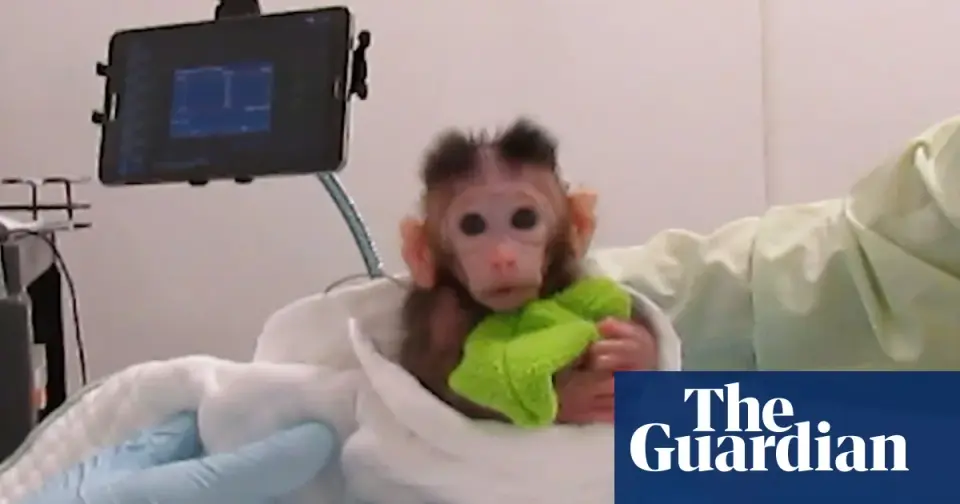
Peta released footage from 2017-2019 showing newborn macaques separated from mothers and subjected to neurological tests at the University of Washington's National Primate Research Center. The experiments, funded by the NIH, investigated the effects of prenatal domoic acid exposure. Critics argue the separation is unethical and distorts results, while the university defends the research as necessary for public health understanding.
Key points
- Peta released video footage filmed between 2017 and 2019, showing infant macaques with electrodes on their heads undergoing tests after being separated from their mothers.
- The experiments were part of a six-year project (2014-2020) funded by the NIH with over $4.2 million, researching the developmental neurotoxicity of domoic acid, a marine algae toxin.
- Records indicate 32 pregnant macaques were dosed with domoic acid, and 28 infants were removed from their mothers, bottle-fed, and housed individually by three weeks of age.
- Peta’s chief science adviser, Dr. Lisa Jones-Engel, a former University of Washington researcher, argues that maternal separation alters infant physiology and distorts the scientific data being collected.
- The University of Washington’s National Primate Research Center stated that while no current infant studies are active, protocols for such research remain in place, and the findings are relevant to public health.
- The footage was released in September 2026 following a records request, emerging from a long-standing dispute between Peta and the university regarding public records transparency.
Background
This story follows a 2020 lawsuit where a court ruled the University of Washington violated laws by failing to adequately search for records, revealing systematic destruction of photos and videos. The current footage was obtained through a records request in September 2026. It also aligns with broader federal shifts toward reducing animal testing in favor of new approach methodologies, though primate research remains widespread in the US.
Why it matters
The release of this footage highlights ongoing ethical debates regarding the use of infant primates in research. It raises questions about the necessity of animal studies for public health benefits versus the welfare and ethical treatment of sentient beings. The incident also underscores the importance of transparency in scientific research and the role of public records in holding institutions accountable.
What to watch
Peta is calling for the closure of all seven US National Primate Research Centers. The University of Washington has stated it is committed to replacing, reducing, and refining animal experiments through emerging technologies, but maintains that animal studies remain necessary for some complex scientific questions. The NIH continues to support research while emphasizing animal welfare and the use of the smallest possible number of animals.
Want the full story? Read the original reporting
Read on The Guardian