
Marincello: The 1960s Ghost City That Became a Marin Headlands Trail
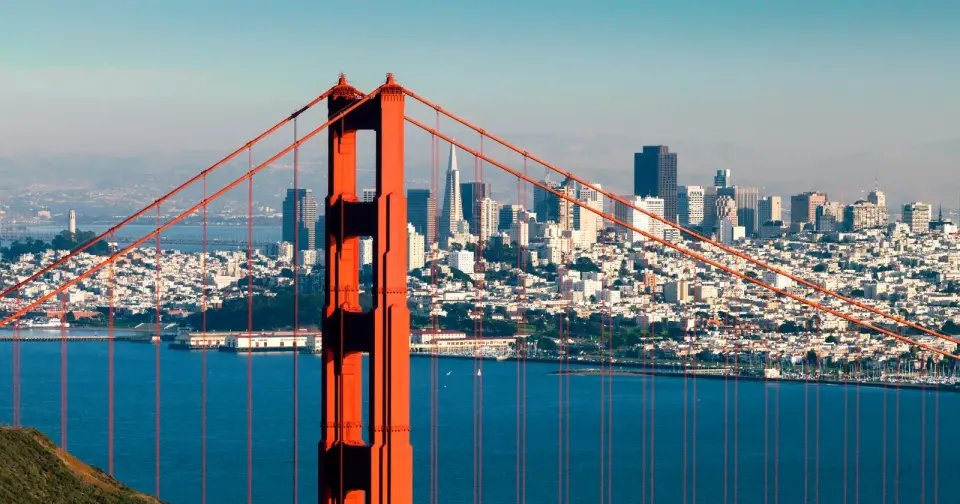
A 1960s plan to build a 30,000-person city in Marin County collapsed after legal challenges, leaving behind a wide road now used as a hiking trail.
Key points
- Developer Thomas Frouge and Gulf Oil planned 'Marincello,' a 2,100-acre community with 50 towers and a luxury hotel, costing $285 million in 1964 dollars.
- Marin County approved the master plan in November 1965, but procedural lawsuits by local residents stalled construction.
- A 1970 court ruling invalidated the approval, leading to the project's abandonment and Frouge's death in 1969.
- The land was purchased by the Nature Conservancy for $6.5 million in 1972 and transferred to the federal government.
- The planned main boulevard is now the 2.9-mile Marincello Trail, featuring a 120-inch wide graded roadway.
Background
This story highlights historical urban planning failures in the Bay Area, contrasting with current trends where luxury housing prices in San Francisco and Oakland have surged due to tech wealth and AI industry growth. While modern developments focus on high-value real estate, Marincello represents a mid-century attempt to create a self-contained 'New Town' that failed due to legal and financial disputes.
Why it matters
The failure of Marincello illustrates how legal procedural challenges can halt massive infrastructure projects, ultimately preserving natural landscapes that might otherwise have been developed. It serves as a historical case study in the tension between rapid urban expansion and environmental preservation in California.
What to watch
The site remains part of the Golden Gate National Recreation Area, receiving approximately four million visitors annually who use the former development roads for recreation without awareness of their original purpose.
Want the full story? Read the original reporting
Read on Space Daily